How to Fix Standing Water in Your Yard
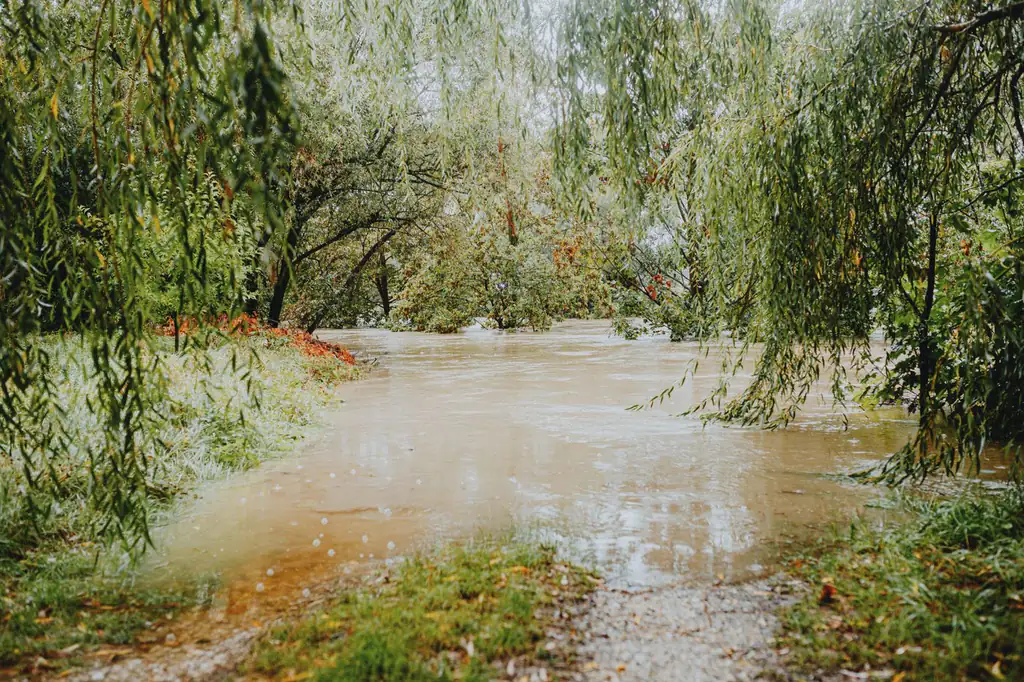
Standing water in your yard? Diagnose the cause first, then match the fix — regrading, a swale, French drain, dry well, or soil work.
Drainage

A soggy lawn comes from compacted or clay soil, low spots, downspouts feeding the area, or a high water table. Fixes range from aerating and topdressing to regrading, a French drain, or a rain garden, matched to the cause rather than applied blindly.
A soggy lawn is a symptom, and the cure depends on the cause. The usual culprits are compacted or clay soil that drains poorly, low spots that pond water, downspouts feeding the area, or a high water table. Match the fix to the cause — aerate compaction, regrade a low spot, redirect a downspout, install a French drain for persistent subsurface wetness, or build a rain garden where the soil cooperates — and skip the shotgun approach of trying everything at once.
The temptation is to reach for the most dramatic fix and start trenching. Resist it. Spend one rainy day watching your lawn instead. Where does water arrive, and from where? Does it pool on the surface and drain once things dry out, or does the ground stay spongy for days? Does one downspout feed the wettest patch? Is the whole yard wet, or just a spot?
Those observations point straight at the cause. If you want a structured method for reading standing water, our guide on fixing standing water in your yard lays it out. And if your lawn stays wet long after everyone else’s has dried, the pattern-focused walkthrough in why your yard stays soggy after rain is worth a read.
Heavy foot traffic, mowers, and dense soil squeeze out the pore space water needs to move. Compacted ground sheds or holds water instead of absorbing it. The tell is a lawn that is hard underfoot and slow to drain despite no obvious low spot.
Sometimes the lawn is simply shaped to collect water. A shallow depression with no path out will pond every time it rains, then slowly give the water back to the air and soil.
A downspout emptying onto the lawn delivers a concentrated volume that the turf there cannot keep up with. This one is easy to spot — the wet area sits right where the water lands.
When groundwater sits close to the surface, the lawn stays saturated from below. Here water may seem to seep up, the wetness is widespread, and it lingers. This is the hardest cause to “fix”; often the realistic goal is management, not elimination.
| Cause | Reasonable fix | Notes |
|---|---|---|
| Compacted soil | Core aeration, topdressing, organic matter | Improves infiltration over time |
| Clay soil | Move water off it; improve structure slowly | Infiltration fixes struggle in clay |
| Low spot | Regrade, or topdress to raise it | Needs somewhere lower to shed to |
| Downspout feeding the area | Extend or redirect the downspout | Often the cheapest, most effective step |
| Persistent subsurface wetness | French drain to a real outlet | Needs slope and an outlet |
| Suitable soil, manageable runoff | Rain garden | Depends on soil accepting water |
| High water table | Manage expectations; limited options | Regrading rarely solves it |
Notice how many rows are cheap and reversible. Exhaust those before you commit to excavation.
For compaction, core aeration followed by topdressing with compost gradually opens the soil and improves how it takes water. For a downspout, an extension or a reroute may be all it takes. For a low spot, gentle regrading or building the area up with topsoil restores a surface that sheds. Only when the ground itself stays saturated below the surface does a French drain earn its keep — and even then it must slope to a real outlet. A rain garden is an attractive option where the soil actually accepts water and the incoming runoff is manageable, turning a wet nuisance into a planted feature.
Your lawn is telling you what is wrong if you watch it in the rain. Compaction wants aeration; a low spot wants regrading; a downspout wants redirecting; deep, lingering wetness wants a French drain to a real outlet; and the right soil and runoff can support a rain garden. Match the fix to the cause, start with the cheap reversible options, and confirm a legal place for the water to go before you dig.
FAQ
Common causes are compacted or clay soil that won't drain, low spots that collect water, downspouts dumping roof water onto the lawn, or a high water table keeping the ground saturated. The right fix depends on which one you have.
Aeration helps when the problem is compaction, by opening the soil so water and air move more freely. It does little if the cause is a low spot, redirected roof water, or a high water table.
It can be, when the ground stays saturated below the surface. For a shallow puddle from grading or a downspout, simpler fixes usually work better and cost less.
A rain garden is a planted, shallow depression that catches and temporarily holds runoff, letting it soak in where the soil allows. It suits areas with suitable soil and a manageable amount of incoming water.
Yes. A downspout concentrating a roof's worth of water onto one area can overwhelm the lawn there. Redirecting it is often the cheapest and most effective first step.
If the whole yard stays wet, water seems to seep up rather than run off, and the sogginess persists long after rain, a high water table may be the cause. That limits your options toward management rather than elimination.
Not necessarily. A soggy lawn is a drainage question about surface and soil water. Waterproofing is about sealing a structure and is a separate matter unless water is also reaching your foundation.
Keep reading
Standing water in your yard? Diagnose the cause first, then match the fix — regrading, a swale, French drain, dry well, or soil work.
Roof water, ground slope, and a real outlet decide whether water stays away from your house. A practical order for tackling water near the foundation.
Grading shapes the ground so water runs away from the house to a safe outlet. How positive slope, swales, and a real outlet work together to keep a yard dry.