DIY vs Professional Pressure Washing
DIY or hire a pro for pressure washing? A comparison by surface, height, and risk — when driveway cleaning is a safe weekend job and when height and siding call for a professional.
Exterior Cleaning
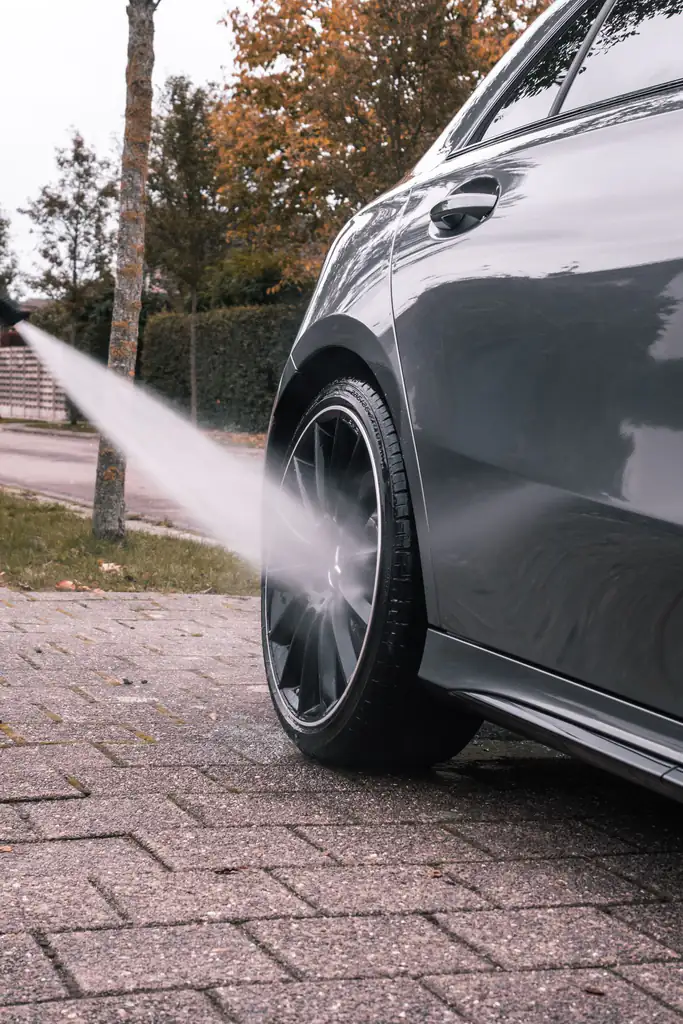
Concrete and paver driveways and patios are among the few surfaces that tolerate real pressure washing. Even then technique matters — consistent distance, the right tip, and re-sanding or sealing pavers after — and you should keep cleaning runoff off nearby plants.
Concrete and paver driveways and patios are among the very few surfaces around a house that stand up to real pressure washing. That is good news, but it is not a license to blast away carelessly. Consistent distance, the right tip, even passes, and a re-sanding or sealing step on pavers are what separate a clean job from an etched, streaky one — and runoff still needs to be kept off your plants.
Most of the surfaces on a home — the roof, the siding, wood, windows — are relatively soft, layered, or full of gaps water can get behind. Concrete and pavers are the opposite. They are dense, hard, solid masonry with no shingle laps or wood grain to worry about. That density is exactly why they can take the kind of pressure that would destroy other materials.
This is the reason hardscape sits on the “pressure is fine” side of the line, while nearly everything else on the house belongs on the “soft wash only” side. If you are unsure where a given surface falls, the power washing versus soft washing comparison lays out which materials tolerate force and which get damaged by it. Driveways and patios are the classic case where pressure washing is the correct tool — provided your technique is sound.
Even on a tough surface, technique is what determines the result.
For oil stains, mildew, or ground-in grime, let a cleaner formulated for the surface do part of the work: apply it, give it time to dwell, then rinse with the pressure washer. Chemistry plus moderate pressure beats brute force every time.
| Surface | Pressure suitability | Key technique | Aftercare |
|---|---|---|---|
| Poured concrete | Tolerates pressure well | Consistent distance, even overlapping passes | Optional sealer |
| Concrete pavers | Tolerates pressure | Wider tip, avoid blasting joints | Re-sand joints, then seal |
| Brick pavers | Tolerates pressure, watch joints | Angle away from sand-filled joints | Re-sand joints, then seal |
| Older / crumbling concrete | Use caution | More distance, lower effective force | Repair before sealing |
Pavers deserve a special note because pressure washing does something to them it does not do to a poured slab: it flushes the joint sand out from between the units. That sand is not decorative — it locks the pavers together and keeps them from shifting. Blast it all out and you leave the pavers free to tilt, rock, and open gaps for weeds and water.
So the job is not finished when the pavers look clean. Let them dry, then sweep fresh joint sand (often a polymeric jointing sand) into the gaps to refill them. Many homeowners follow that with a sealer, which helps lock the sand in place, resists future staining, and makes the next cleaning easier. Let everything dry fully and follow the sealer’s directions on temperature and cure time.
Whatever you rinse off the driveway — dirt, oil residue, cleaning solution — goes somewhere, and often that somewhere is a garden bed or the lawn. Pre-wet surrounding plants and grass with plain water before you begin so anything that reaches them is diluted, and rinse them again when you finish. Where you can, direct the runoff away from planted areas.
Cleaning solutions and dirty wash water can harm plants and may be subject to local rules about where runoff can go. Wet plants beforehand, rinse them afterward, divert runoff from garden beds where possible, and follow the product label and any local guidance.
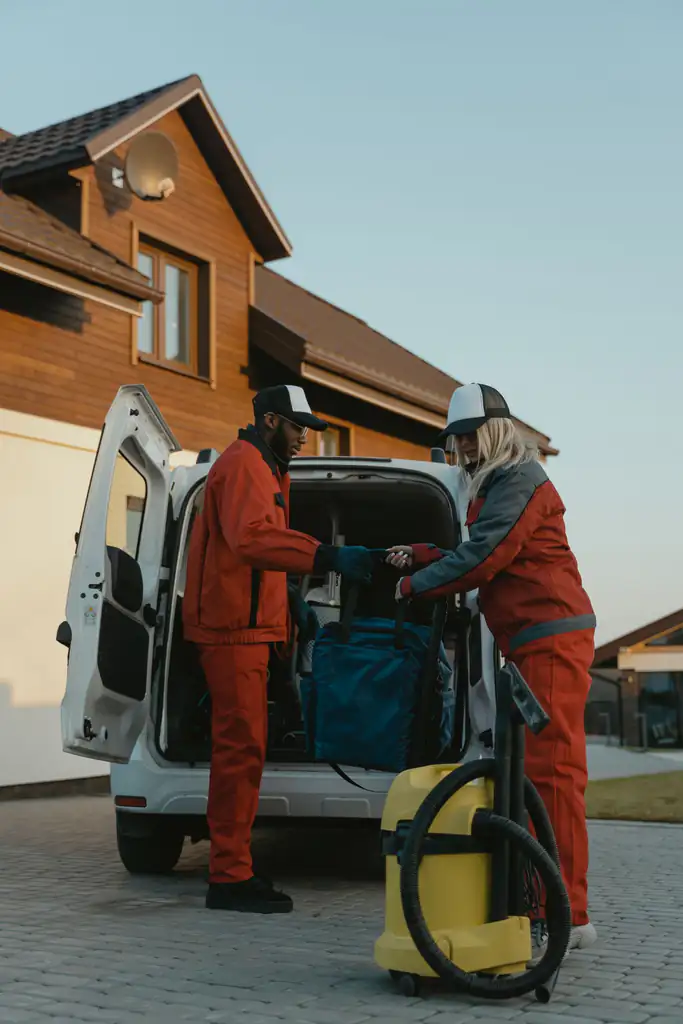
Pressure washing carries real risks. High-pressure spray can injure, wet surfaces cause falls, and water near power lines and outlets is dangerous. Roof and second-story work is best left to professionals.
A pressure washer is genuinely dangerous at close range — the spray can cut skin and drive debris back at you. Wear eye protection and closed shoes, never point the wand at anyone, and be mindful of the electrical hazard when you are running a corded machine across a wet surface near outdoor outlets. Keep the water and cords away from power sources.
Done right, a driveway or patio cleaning is one of the most satisfying exterior jobs there is — the before-and-after is dramatic and the surface can genuinely take it. Just remember that “tolerates pressure” is not the same as “no technique required.” Steady distance, the right tip, even passes, paver aftercare, and plant protection are what turn raw power into a clean, lasting result.
FAQ
Concrete is one of the few surfaces that genuinely tolerates pressure washing, so yes, with good technique. Use an appropriate tip, keep a consistent distance, and move in steady overlapping passes. The main risks are etching the surface by getting too close and leaving streaks from uneven passes.
A wider-angle tip, such as a 25-degree tip, is a common general-purpose choice for concrete and pavers, and a surface cleaner attachment gives the most even result. Avoid the zero-degree pinpoint tip on any surface — it concentrates all the force in one spot and etches easily.
Pressure washing pavers flushes out the joint sand that locks them together. If you leave the joints empty, the pavers can shift, tilt, and let weeds and water in. After cleaning and letting them dry, sweep fresh joint sand into the gaps, and consider a sealer to help hold everything in place.
Yes, if you get too close or linger. Concentrated spray can etch the surface, leave visible wand marks, and expose the aggregate. The fix is distance and motion — keep the tip a consistent distance away and never stop moving in one spot. Older or crumbling concrete is more vulnerable.
Wet surrounding plants and grass with plain water before you start, and rinse them again afterward. Where you can, divert runoff away from garden beds. Pre-wetting dilutes anything that reaches the roots. Follow the product label regarding runoff and any local rules on where wash water can go.
Sealing is optional but useful. On pavers it helps lock in the joint sand and resists stains; on concrete it can slow future staining and make the next cleaning easier. Let the surface dry fully first, and follow the sealer product's directions for temperature and cure time.
Plain high-pressure water handles a lot of general grime. For oil spots, mildew, or deep-set stains, a cleaner formulated for the surface helps the pressure work. Apply it, let it dwell, then rinse — and protect nearby plants from the runoff.
Keep reading
DIY or hire a pro for pressure washing? A comparison by surface, height, and risk — when driveway cleaning is a safe weekend job and when height and siding call for a professional.
The pressure-washing mistakes that cause the most damage and injuries — wrong surfaces, spraying behind siding, too much pressure, too close, wrong tip — and how to avoid each.
A surface-by-surface guide to what you should never pressure wash — roofs, siding, wood, windows, brick mortar — and the soft-wash alternative that is safe.