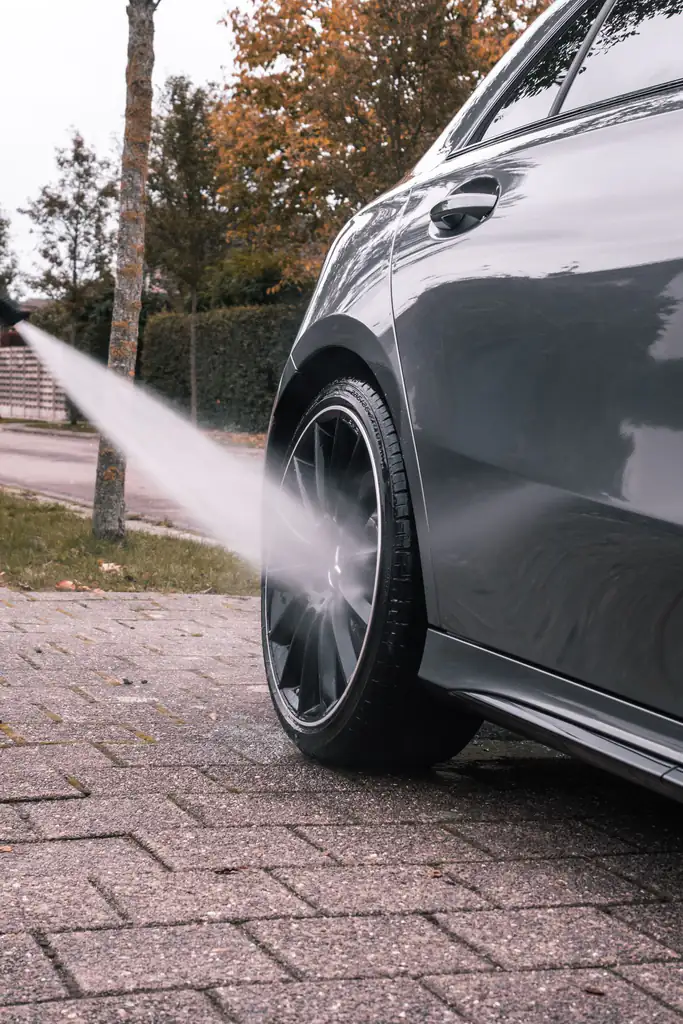
Pressure Washing Mistakes to Avoid
The pressure-washing mistakes that cause the most damage and injuries — wrong surfaces, spraying behind siding, too much pressure, too close, wrong tip — and how to avoid each.
Exterior Cleaning
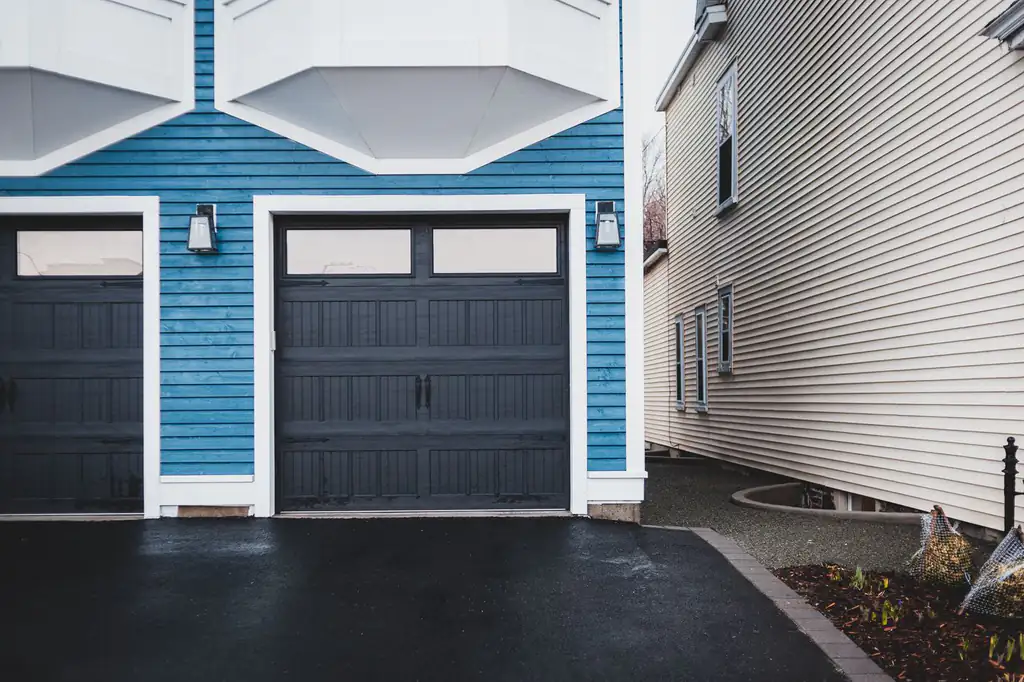
Pressure washing damages more than people expect — roofs, most siding, wood, windows, screens, painted surfaces, brick mortar and anything with gaps water can get behind. Knowing what NOT to pressure-wash saves costly repairs; soft washing handles most of those safely.
Pressure washing ruins more surfaces than most homeowners realize. Roofs, most siding, wood, windows, screens, painted surfaces, brick mortar, and anything with gaps water can slip behind are all damaged by high pressure. Knowing what to leave alone saves you from expensive repairs — and the good news is that soft washing cleans nearly all of these safely.
Before the surface-by-surface rundown, here is the principle that predicts almost every case. A surface tolerates pressure only if it is both hard, dense masonry and free of gaps water can get behind. Concrete passes both tests. Almost everything attached to your house fails at least one of them — it is either soft, layered, painted, sealed, or full of seams. That single rule is why the safe list is short and the unsafe list is long. For the fuller framing of when force helps and when it harms, the power washing versus soft washing comparison is the companion to this guide.
Roofs. Never. High pressure strips the mineral granules that protect asphalt shingles, forces water under the shingles toward the deck, and cracks aging ones. It shortens the roof’s life and can void warranties. Roofs get soft-washed only.
Most siding. Vinyl, wood, fiber cement, and aluminum siding all hang in overlapping courses with gaps by design. Spray upward or into a seam and water goes behind the panels, where it stays trapped against the sheathing. Soft washing cleans siding without that risk.
Wood — decks, fences, trim. Wood is soft. High pressure gouges the grain, raises splinters, and shreds the fibers, leaving a furry, damaged surface that ages faster. Wood can be cleaned gently by hand or at very low pressure with real care, but aggressive spray does permanent harm.
Windows and screens. Glass can crack under pressure, the seal on double-pane units can break, frames can be damaged, and water can be forced past weatherstripping into the wall. Screens tear outright. Clean these by hand.
Painted surfaces. Pressure peels and chips paint — sometimes that is the point, but on a surface you want to keep, it strips the finish and drives water into the substrate beneath.
Brick and mortar. The brick is hard, but the mortar between the bricks is comparatively soft. High pressure blasts mortar out of the joints, especially on older walls, and once the mortar is gone water gets into the wall. Treat brick as soft-wash-only unless you have specific reason not to.
Anything with gaps. Light fixtures, outdoor outlets, vents, and any penetration where water can get behind or inside — all vulnerable, and some of them add an electrical hazard on top.
| Surface | Verdict | Why | Safe alternative |
|---|---|---|---|
| Asphalt roof | Never | Strips granules, forces water under shingles | Soft wash |
| Vinyl / wood / fiber-cement siding | Avoid | Water driven behind panels | Soft wash |
| Wood deck, fence, trim | Avoid | Gouges and splinters soft grain | Gentle hand clean / very low pressure |
| Windows & screens | Never | Cracks glass, breaks seals, tears screens | Hand wash |
| Painted surfaces | Avoid | Peels finish, drives in water | Gentle cleaning |
| Older brick / mortar | Caution | Blasts out soft mortar joints | Soft wash |
| Concrete, pavers | Suitable | Dense masonry, no gaps behind | Pressure OK with technique |
The reason this list is not discouraging is that soft washing handles almost everything on it. Soft washing pairs a gentle, low-pressure flow with a cleaning solution that actually kills algae, mildew, and mold and loosens dirt. The chemistry does the cleaning; the water just carries it away. That is why it works on delicate surfaces where force would cause damage — it removes the growth and grime without stripping granules, gouging wood, or pushing water behind siding.
The short version: reserve real pressure for hardscape, and soft-wash the house.
Pressure washing carries real risks. High-pressure spray can injure, wet surfaces cause falls, and water near power lines and outlets is dangerous. Roof and second-story work is best left to professionals.
Soft-wash cleaning solutions can harm plants and lawn when they run off. Wet plants with plain water before you start, cover them where practical, rinse them afterward, and follow the product label and any local guidance on runoff.
The takeaway is simple and it saves money: pressure washing has a narrow, correct use — dense hardscape — and a long list of surfaces it harms. When in doubt, run the two-question test, and if the surface is soft, layered, painted, or full of seams, reach for soft washing instead. It cleans nearly everything on the house without the repair bill that high pressure can leave behind.
FAQ
Roofs, most siding, wood (decks, fences, trim), windows and screens, painted surfaces, older brick and mortar, and anything with gaps water can slip behind. These are damaged by high pressure. Soft washing — low pressure plus a cleaning solution — handles almost all of them safely.
High pressure strips the protective mineral granules off asphalt shingles, forces water underneath where it can reach the deck, and can crack aging shingles. It shortens the roof's life and may void warranties. Roofs are cleaned only by low-pressure soft-washing.
Generally no, not at high pressure. Wood is soft, and strong spray gouges the grain, splinters the surface, and tears up the fibers. Wood can be cleaned at very low pressure with care, or by hand with a cleaner and brush, but aggressive pressure does lasting damage.
With caution, and often not. Brick itself is hard, but the mortar between bricks is comparatively soft, and high pressure can blast it out of the joints — especially on older walls. Once mortar is gone, water gets into the wall. Soft washing is the safer choice for most brick.
Mainly hardscape — concrete driveways, walkways, and patios, and pavers with the right technique. These dense masonry surfaces tolerate real pressure. Almost everything attached to the house itself is better cleaned by soft washing.
Soft washing uses a gentle flow of water plus a cleaning solution that kills algae, mildew, and mold and loosens dirt. The chemistry does the work instead of brute force, so it cleans effectively without stripping granules, gouging wood, or driving water behind siding.
It can. High pressure can crack glass, break the seal on double-pane windows, damage frames, and force water past weatherstripping into the wall. Screens tear easily. Windows are cleaned by hand or with very gentle methods, never with a pressure washer.
Ask two questions: is it hard, dense masonry like concrete, and are there no gaps water can get behind? If both are yes, it likely tolerates pressure. If it is soft, layered, painted, sealed, or full of seams, treat it as soft-wash-only.
Keep reading
The pressure-washing mistakes that cause the most damage and injuries — wrong surfaces, spraying behind siding, too much pressure, too close, wrong tip — and how to avoid each.
DIY or hire a pro for pressure washing? A comparison by surface, height, and risk — when driveway cleaning is a safe weekend job and when height and siding call for a professional.
How to clean a roof safely — why pressure washing ruins shingles, why soft washing is the only correct method, and how to manage the real danger, which is height.