Soft Wash vs Pressure Wash
Soft wash vs pressure wash compared — how each works, which surfaces suit which method, and why the wrong choice can strip granules, gouge wood, or force water inside.
Exterior Cleaning
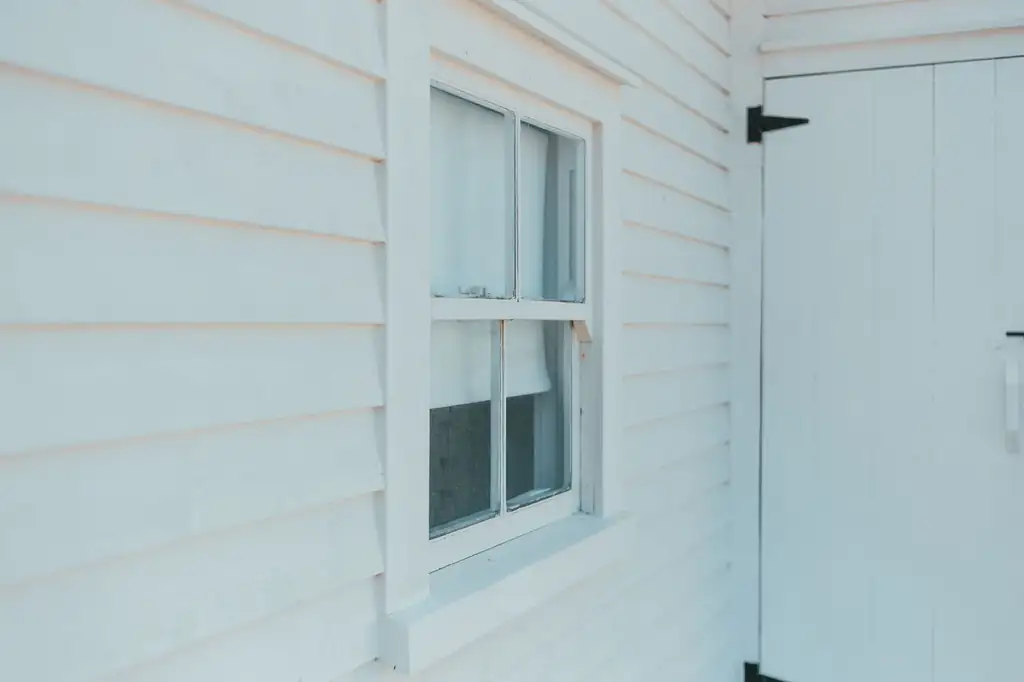
Power (pressure) washing blasts surfaces with high-pressure water; soft washing uses low pressure plus cleaning solutions to kill algae and mildew. Hard surfaces like concrete can take pressure, but siding, roofs and wood usually need soft washing, because high pressure damages them.
Power washing and soft washing sound like two names for the same chore, but they clean in opposite ways. Power (pressure) washing blasts a surface with high-pressure water; soft washing uses low pressure plus cleaning solutions to kill algae and mildew. Hard surfaces like concrete can take pressure, but siding, roofs and wood usually need soft washing — because high pressure damages them.
Getting this choice wrong is expensive. The same wand that clears years of grime off a driveway can gouge cedar, strip paint, or force water behind vinyl siding in seconds. This guide covers how each method actually works, which surfaces each one suits, and how to avoid the mistakes that turn a cleaning project into a repair bill.
The two approaches solve the same problem — dirt, stains and biological growth on exterior surfaces — with completely different tools.
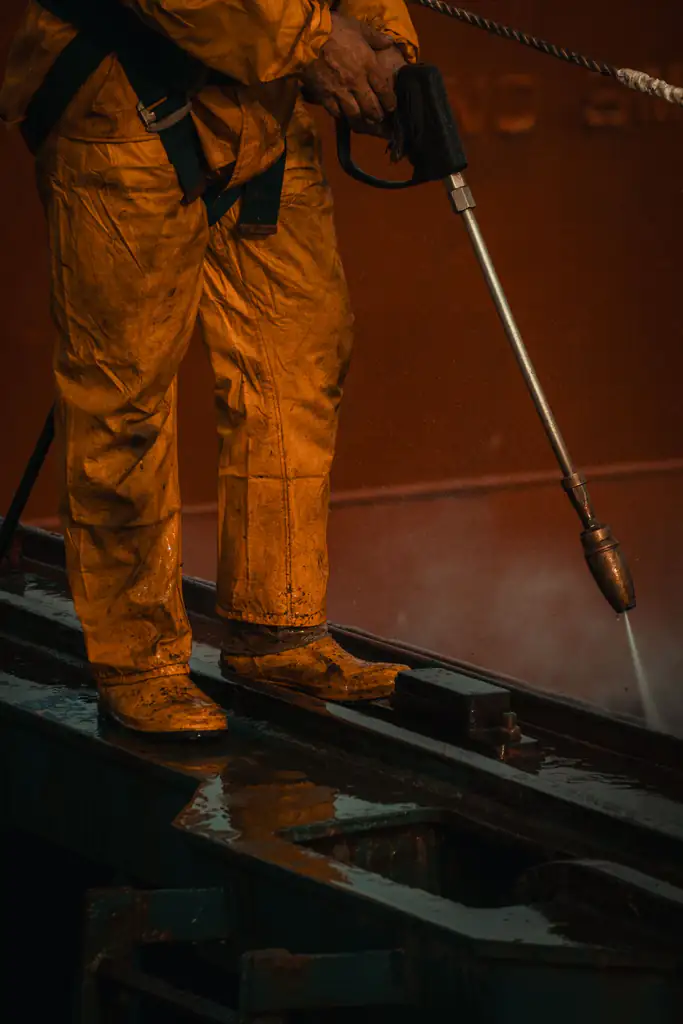
Power washing (pressure washing) does the work mechanically. A pump drives water through a narrow nozzle at high pressure, and the sheer force of that stream lifts dirt, mildew and stains off the surface. Some machines add heat, which is where the term “power washing” technically differs from plain “pressure washing,” but in everyday use the words are interchangeable. The key idea is that pressure is doing the cleaning.
Soft washing does the work chemically. Instead of relying on force, it applies a cleaning solution — typically a diluted mix designed to kill algae, mold, mildew and lichen — at very low pressure, closer to what a garden hose delivers. The solution dwells on the surface, kills the organisms, and is then rinsed away gently. The chemistry does the cleaning; the water just applies and rinses.
That single distinction — force versus chemistry — drives every other decision below.
Match the method to how much abuse the surface can take.
Pressure washing suits hard, durable surfaces:
Soft washing suits delicate or porous surfaces:
This is the part homeowners most often learn the hard way. High-pressure water is not gentle, and many exterior surfaces cannot survive it.
When in doubt, treat a surface as a soft-wash surface. It is far cheaper to soft-wash something that could have handled pressure than to repair siding, a roof or decking that could not.
There is a reason soft washing lasts longer on organic staining. Those black streaks on a north-facing roof, the green film on shaded siding, the darkening on a fence — that is living growth: algae, mold, mildew and sometimes lichen.
Pressure washing knocks the visible growth off the surface but leaves the organism behind, so it regrows and the stains return sooner. Soft washing’s cleaning solution kills the growth at the root, which is why the surface tends to stay clean longer before it needs doing again. If your problem is biological staining rather than plain dirt, that difference matters more than raw cleaning speed.
Before cleaning, it is also worth asking where the staining comes from. Chronic streaking and moisture on a wall often trace back to water that is not being carried away properly — overflowing or clogged gutters, or roof runoff hitting the wall. If that is the case, cleaning is only half the fix; you may also want to check the signs your gutters are failing and understand how roof runoff works so the growth does not simply come back.
Both methods move a lot of water, and soft washing adds cleaning chemicals to the mix — so where that water goes is your responsibility.
| Surface | Recommended method | Why |
|---|---|---|
| Concrete driveway, sidewalk, patio | Pressure washing | Hard and durable; tolerates high-pressure force |
| Brick and masonry | Pressure washing, with care | Sturdy, but wrong tip or angle can erode mortar |
| Pavers and hardscape | Pressure washing | Durable surfaces that handle mechanical cleaning |
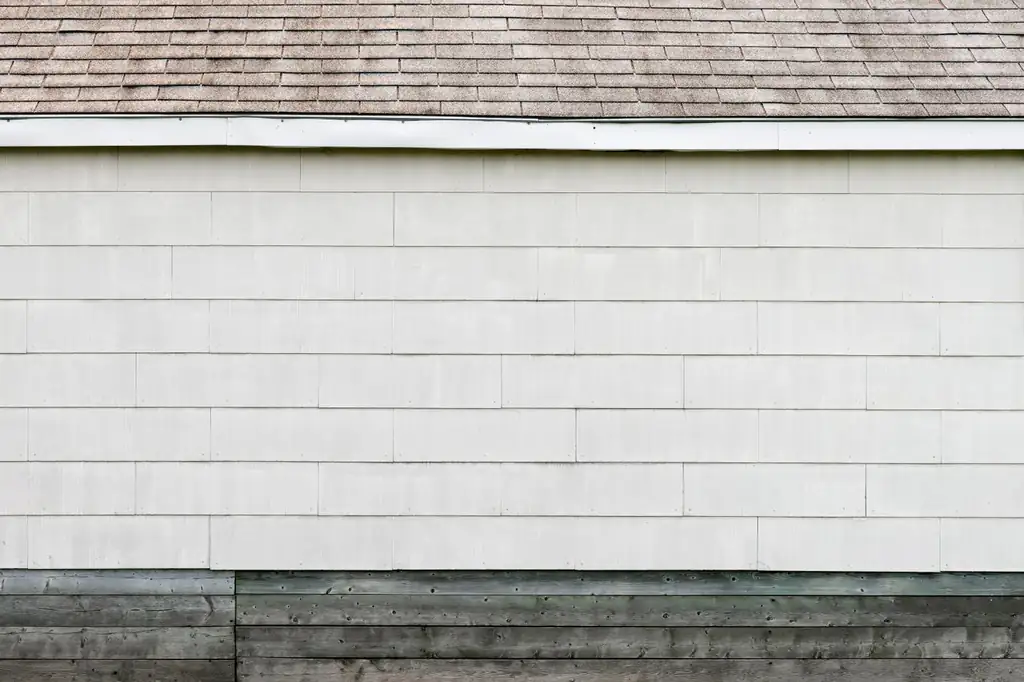
| Vinyl or painted siding | Soft washing | Pressure drives water behind it and strips paint |
| Stucco / EIFS | Soft washing | Porous and brittle; high pressure cracks and chips it |
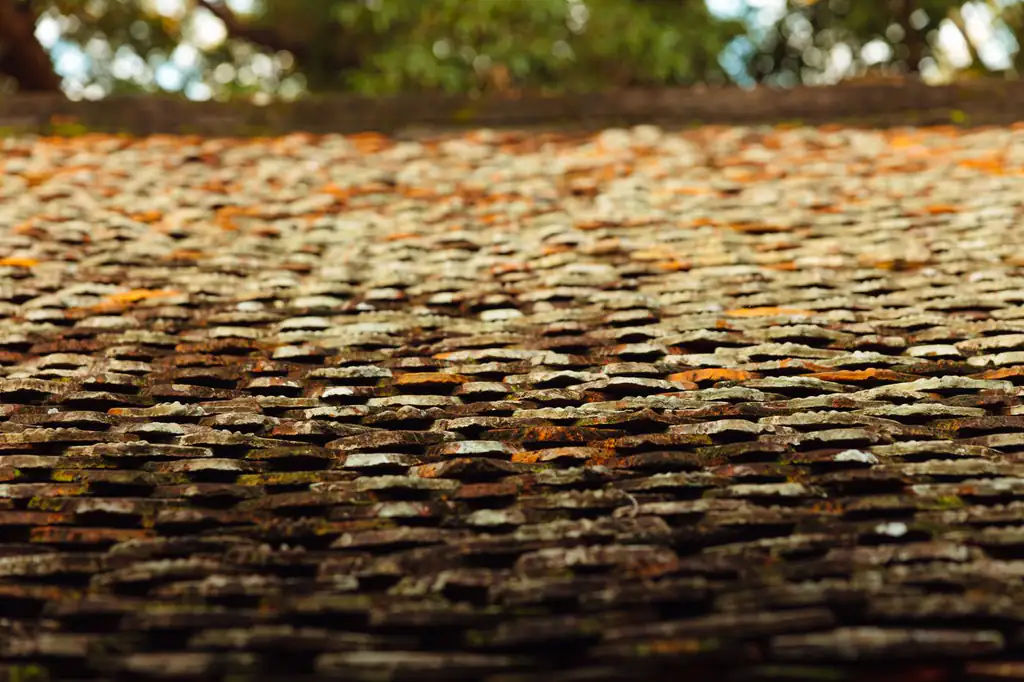
| Asphalt shingle roof | Soft washing | Pressure strips granules and can void the warranty |
| Wood deck, fence, cedar | Soft washing (low pressure) | High pressure gouges, splinters and raises grain |
| Screens, gutters, delicate trim | Soft washing | Fragile; force bends or tears them |
Pressure washing carries real risks. High-pressure spray can injure, kickback and wet surfaces cause falls, and water near power lines and outlets is dangerous. Roof and second-story work is best left to professionals.
Start with the surface, not the machine. If it is hard, ground-level and durable — concrete, most masonry, hardscape — pressure washing is usually the right, efficient tool. If it is siding, a roof, wood, stucco, or anything water can get behind or that can be gouged, soft washing is the safer choice, and it kills algae so results last.
Then weigh access and risk. A driveway is a reasonable DIY pressure-washing project. Roofs, second-story siding and anything involving ladders, height, or cleaning chemicals near power lines are where the job tips toward a professional. For more on keeping a home’s exterior in good shape without inviting damage, see our wider exterior cleaning guides.
The short version: let the surface pick the method, protect your plants and yourself, and never point high pressure at something it can ruin.
FAQ
Power (pressure) washing relies on the mechanical force of high-pressure water to blast away dirt and buildup. Soft washing uses a much lower pressure to apply a cleaning solution that does the work chemically, killing algae and mildew before a gentle rinse. One cleans with force, the other cleans with chemistry.
Usually not safely. High pressure can drive water up behind siding, crack or dent it, and strip paint. Vinyl, painted and stucco siding are generally soft-washed instead. If you are unsure, treat siding as a soft-wash surface rather than risking hidden water damage.
High pressure dislodges the protective granules on asphalt shingles, forces water under them, and can void the roof warranty. Roofs are cleaned with low-pressure soft washing so the solution kills the algae without tearing up the surface. Roof work is also high-risk and usually best left to professionals.
Yes — that is its main advantage. The cleaning solution kills the algae, mildew and mold at the surface rather than just knocking off what is visible, so regrowth tends to be slower. Pressure alone blasts the surface clean but leaves the organism behind to return sooner.
They can, if you are careless. Pre-wet nearby plants and soil, cover or rinse them during and after cleaning, and avoid letting concentrated runoff pool around roots. Follow the product label and any local guidance on where rinse water may drain.
Pressure washing a concrete driveway or patio is a realistic DIY job with a rented or owned machine. Soft washing involves mixing and applying cleaning solutions correctly and safely, and roof or second-story work carries fall and chemical risks that often make it a job for professionals.
Keep reading
Soft wash vs pressure wash compared — how each works, which surfaces suit which method, and why the wrong choice can strip granules, gouge wood, or force water inside.
Soft washing uses a cleaning solution and low pressure to kill algae and mildew instead of blasting them. Learn how it works and where it fits.
Clean a wood deck without wrecking the boards — why to skip high pressure, the brush-and-cleaner method, drying time, and how to time resealing.