Do Gutter Guards Cause Ice Dams?
Do gutter guards cause ice dams? No — ice dams come from attic heat loss and refreezing at the eave. How guards interact with ice and what actually helps.
Gutter Guards

There is no single best gutter guard — the right type depends on your debris. Fine micro-mesh wins under pines and for grit, coarse screens handle big leaves cheaply, and foam or brush are budget stopgaps. Match the guard to what actually falls on your roof.
There is no single best gutter guard, and any article that names one without asking about your trees is selling something. The right type depends on what actually falls on your roof. Fine micro-mesh tends to win under pines and against grit; coarse screens handle big leaves cheaply; foam and brush inserts are budget stopgaps. The real skill is matching the guard to your debris, your roof, and your budget — not chasing a universal winner.
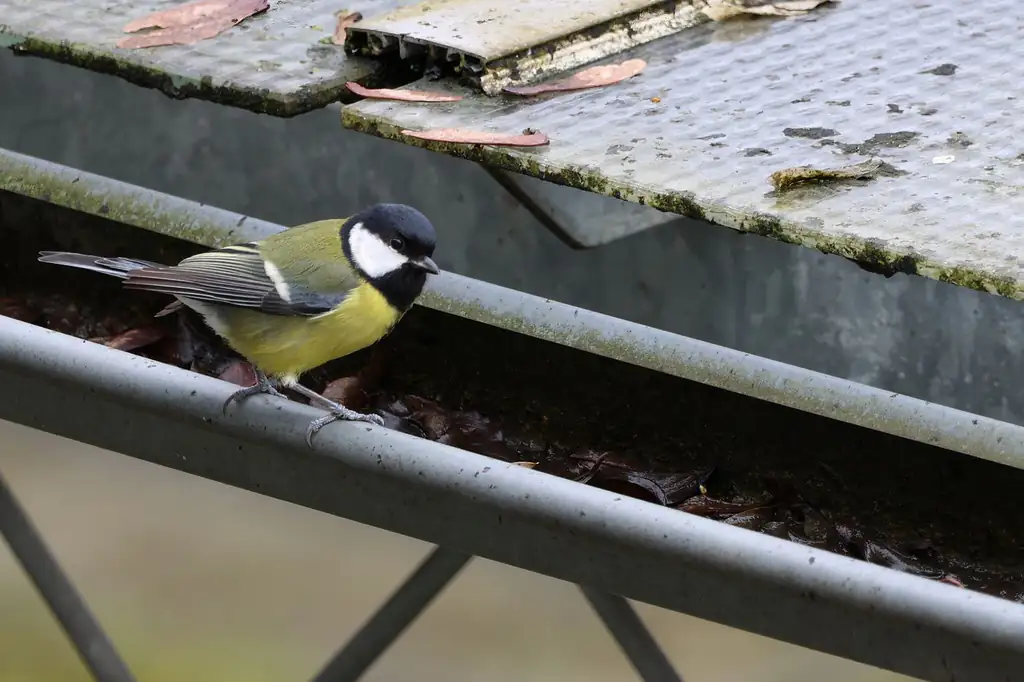
Before comparing materials, look up. Walk your yard after a windy day and see what collects in the gutters now. Broad leaves behave very differently from pine needles, which behave differently again from the fine grit, seed pods, and shingle granules that wash down a roof. A guard that stops one may pass another straight through.
This is why the same product can earn glowing reviews from one homeowner and complaints from a neighbor two streets over. Their trees differ. Understanding how a guard filters versus blocks debris — covered in how gutter guards work — helps more than any single recommendation.
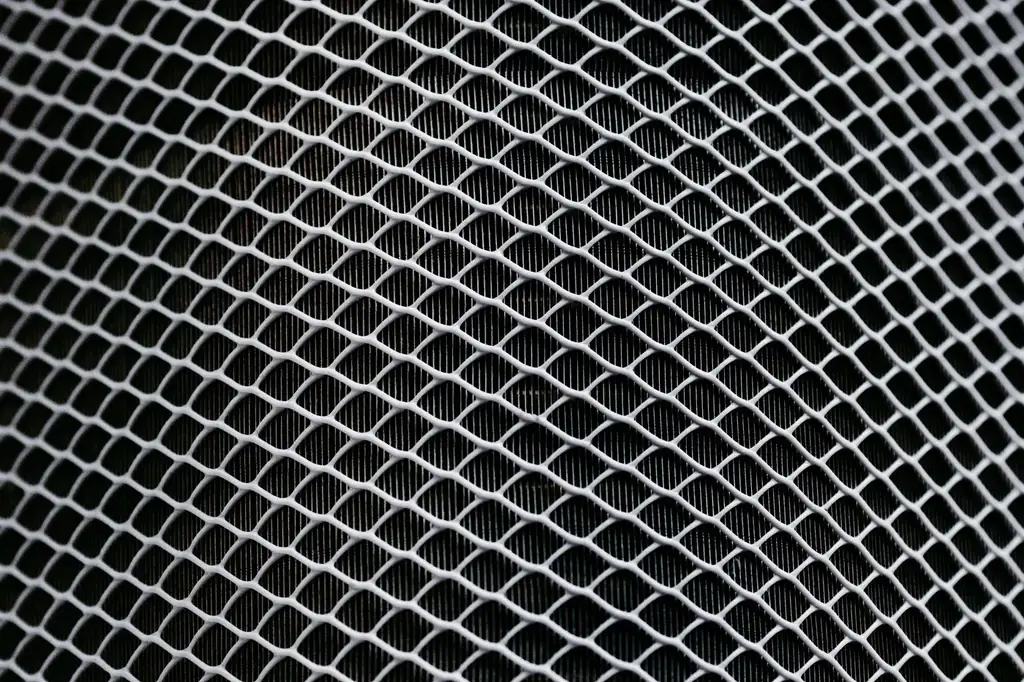
Micro-mesh uses a fine screen, often stainless over a support frame, to filter out even small debris while letting water through. It is the most versatile category and generally the strongest choice against pine needles, seeds, and grit. The trade-offs are cost and the fact that fine debris can still mat on the surface and need occasional brushing. Quality varies widely between products, so the category name alone does not guarantee performance.
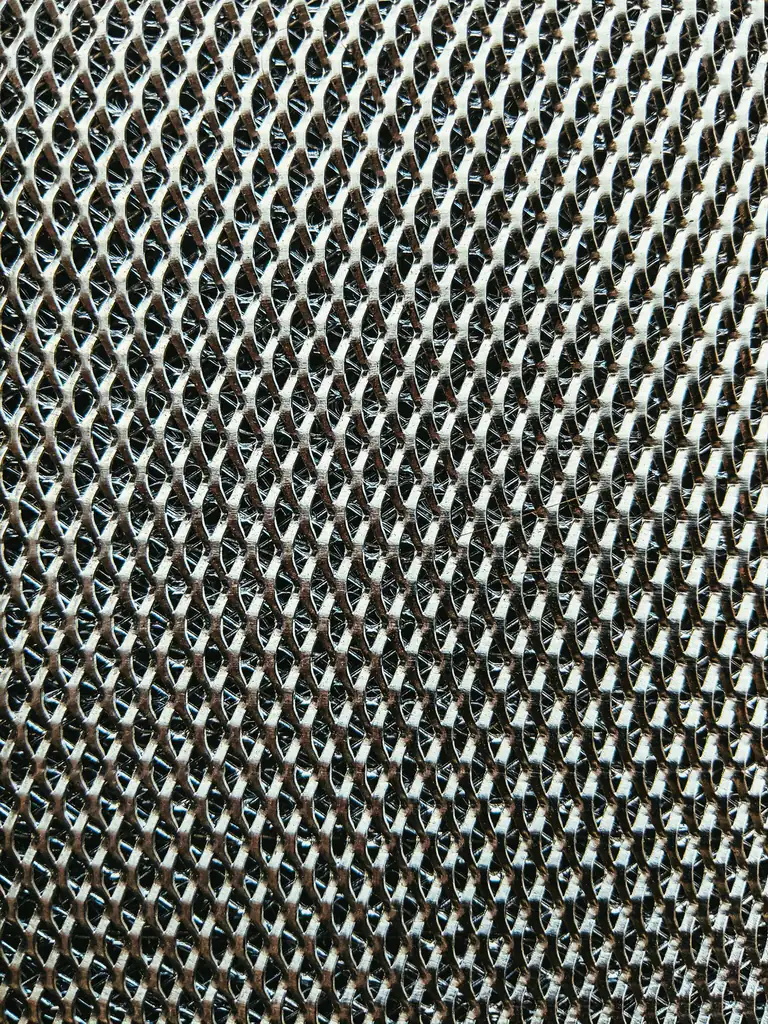
Coarse screens — metal or rigid plastic panels with larger openings — are a long-standing, cost-effective option. They excel at keeping out large leaves and twigs, which sit on top and largely blow or wash away. Their weakness is anything small: needles, seeds, and shingle grit can pass through the openings and still collect in the gutter. The micro-mesh and screen distinction is worth understanding in detail, and micro-mesh vs screen gutter guards walks through it.
Foam inserts sit inside the gutter and let water pass through the foam while blocking debris on top. They are inexpensive and easy to drop in yourself. The concerns are longevity and fine debris: foam can trap silt and seeds, hold moisture, and degrade in UV over time. It tends to be a short-term or budget solution.
Brush guards are essentially large bristle cylinders that sit in the gutter; debris catches on the bristles while water flows around them. Like foam, they are cheap and simple to install, but debris caught in the bristles can be awkward to clear and fine material still settles below. Foam and brush are compared head to head in foam vs brush gutter guards.
No guard type is truly self-cleaning. Every one on this page still collects some debris on top or lets fine material through, and each needs occasional maintenance. Treat "maintenance-free" language with caution, especially when it is not tied to a specific tested product.
| If your main debris is… | Consider first | Watch out for |
|---|---|---|
| Pine needles | Fine micro-mesh | Needles matting on top of any guard |
| Fine grit, seeds, granules | Fine micro-mesh | Cheaper products with looser weaves |
| Large leaves, twigs | Coarse screen | Small debris passing through openings |
| Mixed, moderate load, tight budget | Screen or quality foam | Foam trapping fine silt over time |
| Occasional light debris, low cost | Foam or brush | Shorter lifespan, harder to clear |
Use it as a starting point, not a verdict. Two homes with “large leaves” can still land on different products once roof pitch, budget, and how long they plan to stay enter the picture.
The tree species gets most of the attention, but the roof matters too. A steep pitch sheds debris and water fast, which can help some guards and overshoot others. The roofing material and the way water sheets down it affect how debris arrives at the gutter. If your home sees heavy pine litter in particular, the dedicated guidance in gutter guards and pine needles is worth reading before you buy, because needles defeat more guards than any other single debris type.
The best gutter guard for your home is the one that matches what actually lands in your gutters. Fine micro-mesh is the most versatile and the go-to under pines and for grit; coarse screens are a sound, economical choice for big leaves; foam and brush make reasonable budget stopgaps. Look up at your trees, factor in your roof and budget, and choose from there rather than from a one-size-fits-all recommendation.
FAQ
There is no single best type. The right choice depends on the debris that lands on your roof. Fine micro-mesh handles the widest range, but coarse screens, foam and brush each fit specific situations and budgets better.
Fine micro-mesh is generally the strongest choice for pine needles, because needles slip through the larger gaps of screens, foam and brush. Even so, needles can mat on top of any guard and still need occasional clearing.
They can work as low-cost, easy-to-install stopgaps, especially for larger leaves. They tend to trap fine debris and degrade faster than mesh or metal screens, so they are best seen as short-term solutions.
Coarse screens are a cost-effective option for large leaves, since leaves sit on top and blow or wash off while water passes through. Fine grit and seeds are where screens struggle.
Yes. Roof pitch, the type of roofing, and how debris travels down it all affect performance and installation, alongside the tree species around your home. There is no universal answer.
You can. Some homeowners use finer guards under heavy trees and cheaper ones on cleaner runs. It complicates upkeep slightly but can match spending to where debris actually falls.
No type eliminates cleaning entirely. Debris still collects on top, and fine material can work through or accumulate. Be skeptical of any guard marketed as fully maintenance-free.
Keep reading
Do gutter guards cause ice dams? No — ice dams come from attic heat loss and refreezing at the eave. How guards interact with ice and what actually helps.
How roof grit and shingle granules affect gutter guards — why fine grit blinds mesh and settles in troughs, and how to manage it as shingles age.
How to install gutter guards step by step — prep, the main mounting methods, avoiding shingle and warranty problems, and when to call a pro.