How to Clean Micro-Mesh Gutter Guards
Micro-mesh gutter guards still need occasional surface cleaning. Learn the safe method, what to avoid, and how often to check the mesh.
Gutter Guards

No. Gutter guards reduce how often and how much you clean, but every type still lets fine debris through or collects it on top, and the guard surface and the downspout outlets still need periodic attention. Treat "maintenance-free" claims skeptically.
No, gutter guards do not eliminate cleaning. They reduce how often you do it and how unpleasant it is, but every type still lets fine debris through, collects it on top, or traps it inside, and the guard surface and downspout outlets still need periodic attention. Any product sold as truly maintenance-free is overpromising.
If you have spent a Saturday hauling wet leaves out of a gutter, “never clean again” is a powerful pitch. It is also the single claim most likely to leave you disappointed. Guards are genuinely useful, but the marketing around them often outruns the physics. This article gives the honest version: what still gets through by guard type, what upkeep remains, what realistic “far less cleaning” actually looks like, and why guards can still be worth it despite all of that.
For the mechanics behind these products, see how gutter guards work, and for the two most common categories, micro-mesh vs screen gutter guards.
The appealing claim is simple: cover the gutter, and debris never gets in again. The reality is that a guard is a filter sitting over an open trough, and every filter faces the same tension. Make the openings large enough to pass water fast, and small debris passes with it. Make them fine enough to block small debris, and the surface itself becomes something that collects material and needs clearing.
That trade-off does not disappear with a better brand or a higher price. It changes shape depending on the guard type, but it is always there.
"Maintenance-free" and "never clean your gutters again" are marketing phrases, not engineering specs. A more accurate promise is "clean far less often, and more easily." Read the fine print of any warranty, which usually still assumes some upkeep.
Different guards fail in different ways. Knowing how yours accumulates debris tells you what upkeep to plan for.
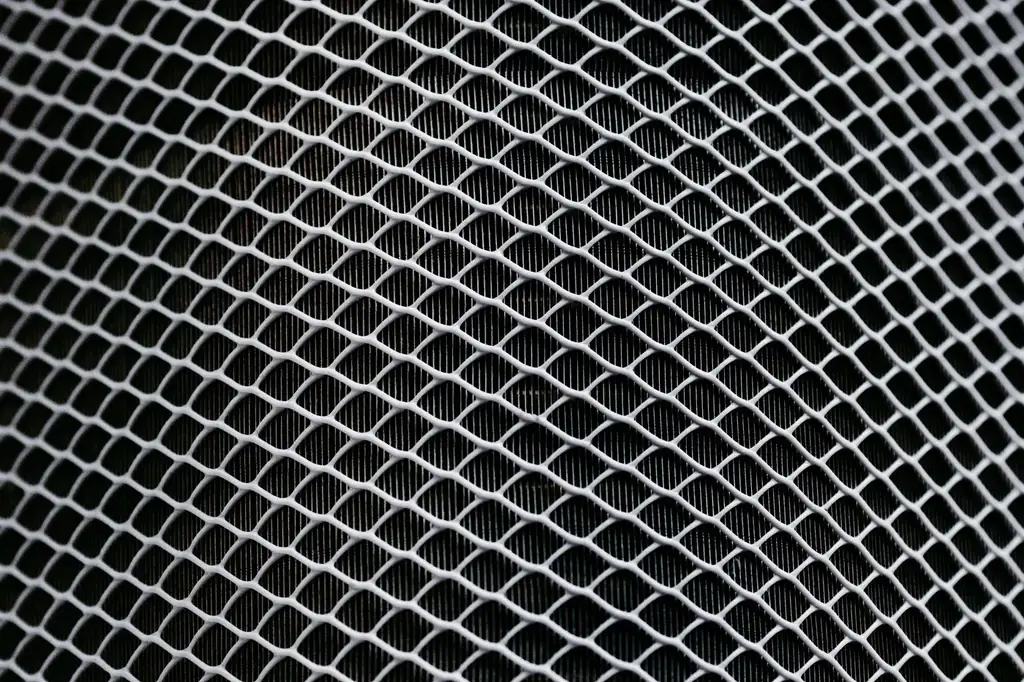
Micro-mesh uses a very fine stainless screen that blocks nearly all debris, including pine needles and shingle grit. That is its strength. Its weakness is the surface. Pollen, fine roof grit, and a thin organic film can coat the mesh over time. When that happens, water beads and sheets across the top instead of soaking through, and in a hard downpour it can run right over the front lip. Dry leaves also stick to the top and need clearing. So very little reaches the trough, but the mesh itself becomes the thing you maintain, usually with a periodic rinse.
A coarse screen stops large leaves but lets smaller material through the grid. Pine needles thread through or wedge into the openings; seed pods slip past; and fine grit simply rains into the gutter, where it can pack down into a sludge over the seasons. The trough underneath still fills, more slowly than a bare gutter, but it fills, so it still needs flushing.
Brush guards (a bristled cylinder set in the trough) and foam inserts (a wedge of porous foam) both work by letting water pass while blocking leaves. The catch is that they trap debris internally rather than shedding it. Leaves and needles collect in the bristles or on the foam surface, and over time you have to pull the insert out, shake or rinse it clean, and reseat it. Foam can also hold moisture, which encourages seeds to sprout and organic matter to break down inside the trough.
Here is the honest reframe. With no guard, gutter cleaning means climbing up, scooping out packed wet debris by hand or trowel, bagging it, and flushing the trough. It is heavy, messy, and needs doing more than once a year in leafy areas.
With a good guard matched to your debris, the job usually shifts to something lighter: climb up or look from the ground, check that the surface is clear and water can pass, rinse the guard or brush off stuck leaves, and confirm the downspout outlets are open. You inspect and touch up rather than scoop and haul. That is a real, worthwhile difference. It is just not the same as zero.
Two spots that people forget: the top surface of the guard and the downspout outlets. Debris that lands on the guard has to be shed by wind and rain or removed by you, and material that does get past a guard tends to travel to the outlet and collect there. Guards do not clean either of these for you.
| Guard type | What still gets in or accumulates | Maintenance that remains |
|---|---|---|
| Micro-mesh | Pollen, fine grit, and film on the surface; dry leaves stick on top | Rinse the mesh when flow slows; clear stuck leaves; check outlets |
| Screen | Pine needles, seed pods, and fine grit pass into the trough | Flush the trough periodically; brush needles off the grid |
| Brush | Leaves and needles caught in the bristles | Lift out, shake or rinse, and reseat; clear debris off top |
| Foam | Debris and seeds on the surface; moisture held inside | Remove, rinse, and dry; replace as foam degrades |
| Reverse-curve / surface-tension | Small debris and grit can ride the water around the nose | Clear the nose and slot; occasional professional cleaning on tall roofs |
Note that none of these rows says “nothing.” That is the point.
Skepticism about the “never clean again” claim is not a reason to skip guards. For plenty of homes they earn their place.
The value proposition is fewer clogs and easier upkeep, not the elimination of upkeep. Judged on that honest basis, guards are a reasonable buy for many homeowners.
Set the bar where it belongs. A well-chosen gutter guard should meaningfully reduce how often you clean, cut down on clogs and overflow, and turn a heavy, messy chore into a quick inspection and rinse. It should not be expected to erase maintenance, and a seller who promises that is overstating what a physical filter over an open trough can do.
How much you save depends on your trees, roof material, rainfall, and the guard you pick, which is also why there is no honest one-size answer to how often to check them. A useful next read is how often to clean gutters, which walks through the factors that set a realistic schedule, with or without guards.
Any guard upkeep on the roofline still means working at height. Work at height risks falls; hire a pro if you lack safe access.
Buy a guard to make gutter care easier and less frequent, and you will likely be satisfied. Buy one expecting to throw away the ladder, and you will not. The technology is helpful. The “maintenance-free” promise is where the honesty runs out.
FAQ
No. Guards reduce how often and how deeply you clean, but no type ends it entirely. Fine debris still gets through or settles on top, and the guard surface and downspout outlets still need periodic inspection and rinsing.
Mostly it shifts from scooping wet debris out of the trough to inspecting and lightly rinsing the guard surface, clearing leaves off the top, and checking downspout outlets. It is far less messy, but not zero.
Their fine surface can film over with pollen, roof grit, and organic residue, which makes water bead and sheet across the top instead of soaking through. An occasional rinse restores flow.
Yes. Coarse screens stop large leaves but let pine needles, seed pods, and fine grit fall through into the trough, where that material can pack down over time and still needs flushing.
Both trap debris inside rather than shedding it. Leaves and needles collect in the bristles or on the foam, so they need periodic removal and rinsing, and foam can hold moisture that encourages growth.
For many homes, yes. Cutting the number of full cleanings, reducing clogs, and turning a scoop-and-haul job into a quick inspection is a real benefit, even though some upkeep remains.
Every guard type has a documented way debris still accumulates. A product marketed as needing no care at all is overstating what any physical filter over an open trough can do.
Keep reading
Micro-mesh gutter guards still need occasional surface cleaning. Learn the safe method, what to avoid, and how often to check the mesh.
How roof grit and shingle granules affect gutter guards — why fine grit blinds mesh and settles in troughs, and how to manage it as shingles age.
Why gutter guards still clog — surface blinding, fine debris that slips through, matting after rain, and downspout blockages — plus how to reduce it.