Gutter Guards and Roof Grit
How roof grit and shingle granules affect gutter guards — why fine grit blinds mesh and settles in troughs, and how to manage it as shingles age.
Gutter Guards

Gutter guards clog when fine debris that a guard cannot fully block builds up on or inside it — grit blinding a mesh surface, seeds and needle fragments settling in a screen, or debris matting on top after wet weather. Guards reduce clogging, but the trough, the guard surface, and the downspout can all still block if maintenance lapses.
Gutter guards clog for a simple reason: no guard blocks every particle. A guard is designed to keep out bulky debris and most fine material, but grit, seeds, needle fragments, and organic film are small enough to accumulate on the surface, slip through into the trough, or mat on top after wet weather. When that buildup slows water from entering, the guard “clogs” even though it is doing most of its job. Guards genuinely reduce how often gutters block — but the guard surface, the trough beneath it, and the downspout can all still clog if maintenance lapses or the system is not sized and pitched correctly. Here is why it happens and what to do about it.
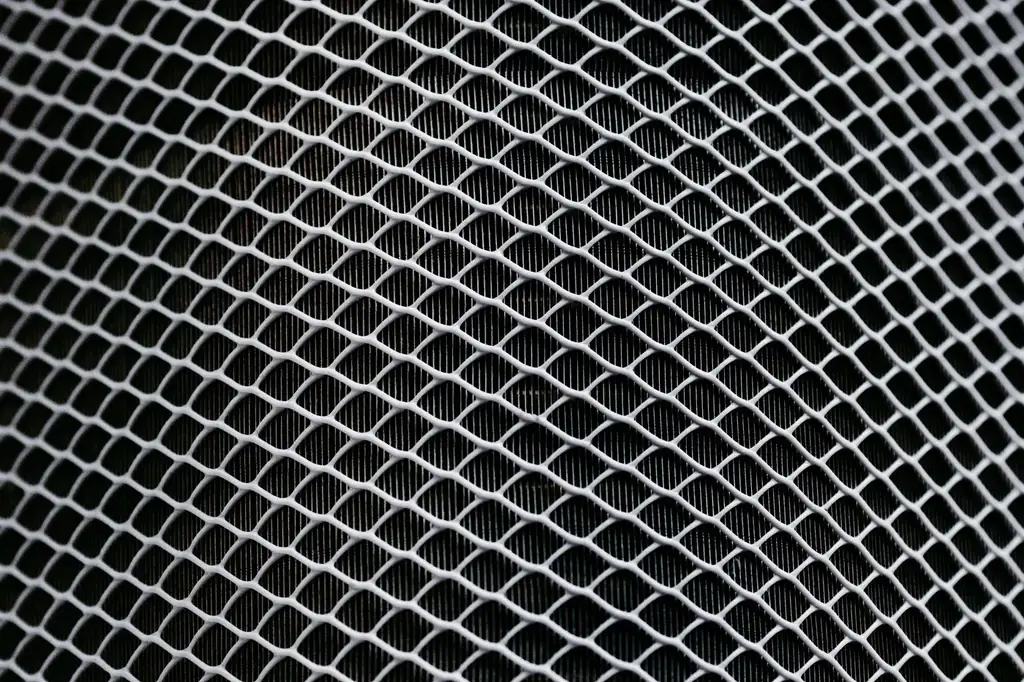
The most common clog is not inside the gutter at all — it is a thin layer on top of the guard. Fine grit, pollen, and a sticky organic film build up on a mesh or screen surface and gradually “blind” it, closing off the tiny gaps water needs to soak through. The guard still looks clear from the ground, but water can no longer pass fast enough and sheets over the edge instead.
Debris small enough to pass the guard settles in the bottom of the gutter. Seeds, needle fragments, shingle grit, and windblown dust ride the water stream through screen openings or a reverse-curve slot and accumulate over time. Because a guard hides this from view, the trough can silently fill until it restricts flow.
Anything that reaches the trough eventually travels toward the outlet, where it can pack into the drop and block the downspout. A guarded gutter is not a guarded downspout — the outlet still needs checking. For the broader principle of how water is supposed to move through the system, see how gutter guards work.
Bulky leaves are easy — every guard handles them. The trouble is the fine material:
A guard that "stopped working" has usually not failed — it has a blinded surface, a full trough, or a blocked outlet. Find which of the three before spending money on a replacement guard.
| Sign | Likely cause |
|---|---|
| Water sheets over the edge in rain | Surface blinded by grit or film |
| Dark film or grit visible on the mesh | Fine particle buildup on top |
| Staining or drips below the gutter | Overshoot from slowed intake |
| Slow or dripping downspout | Fine debris packed at the outlet |
| Debris matted on the guard after wet weather | Organic load pressed onto the surface |
Checking during or just after rain is the fastest way to see where water is failing to enter, because a dry inspection can miss a surface that only reveals itself under flow.
Guards do not eliminate clogging so much as move where it happens:
None of these is a flaw so much as a trade-off, which is why the honest framing is that guards reduce cleaning frequency rather than eliminating cleaning altogether.
Usually not. A guard that lets water over the edge has almost always kept its promise on the big stuff — the leaves and twigs that would have packed an open gutter solid are still being turned away. What has slipped past is the fine fraction: grit, film, and dust that no practical guard fully excludes. That is a maintenance signal, not a defect. The useful mental shift is to stop thinking of a guard as a seal and start thinking of it as a filter that needs its surface kept clean, just like any filter.
It also helps to match your expectations to your surroundings. A house with a young roof and few overhanging trees may go a long time between clogs, while a home under mature hardwoods with aging shingles can blind a surface in a single wet autumn. Neither outcome means the product is better or worse — it means the debris load is different, and the cleaning cadence should follow the load rather than a calendar you set once and forget.
FAQ
Yes. No guard blocks every particle. Fine grit can accumulate on a mesh surface and slow intake, small debris can slip through screens and settle in the trough, and organic matter can mat on top after wet weather. Guards reduce how often clogs form, but they do not make clogging impossible.
Usually because the guard surface is partly blinded by grit or a thin film, so water cannot soak through fast enough and sheets over the top. Wrong gutter pitch or a system undersized for the roof's runoff can cause the same overshoot even on a clean guard.
They handle a different problem. Fine mesh keeps small debris out of the trough but is more prone to surface blinding from grit and film. Coarse screens rarely blind over but let more fine material through to settle inside the gutter. Each shifts where the clog tends to happen.
Indirectly, yes. Fine material that passes through a guard can travel to the outlet and build up there, and debris that mats on top can wash into the trough during heavy rain. A guarded gutter still needs its downspouts checked.
Common signs are water sheeting over the edge in rain, debris visibly matted on the surface, a dark grit film on mesh, staining below the gutter, and slow or dripping downspouts. Checking during or just after rain shows where water is failing to enter.
It varies with tree cover, roof age, and climate rather than a fixed interval. Homes under heavy leaf drop or with aging shingles that shed grit need more frequent checks. Inspect seasonally and after major storms, and clear the surface before buildup blinds it.
Not necessarily. If the cause is wrong pitch, an undersized system, or lapsed cleaning, a new guard will face the same conditions. Diagnose why it clogged before assuming the guard itself is the problem.
Keep reading
How roof grit and shingle granules affect gutter guards — why fine grit blinds mesh and settles in troughs, and how to manage it as shingles age.
Why pine needles defeat most gutter guards, how each guard type copes, and the realistic maintenance you should expect if you live under conifers.
Do gutter guards eliminate cleaning? Honest answer: no, they reduce it. What still gets through by guard type, and what maintenance remains.