Do Gutter Guards Cause Ice Dams?
Do gutter guards cause ice dams? No — ice dams come from attic heat loss and refreezing at the eave. How guards interact with ice and what actually helps.
Gutter Guards
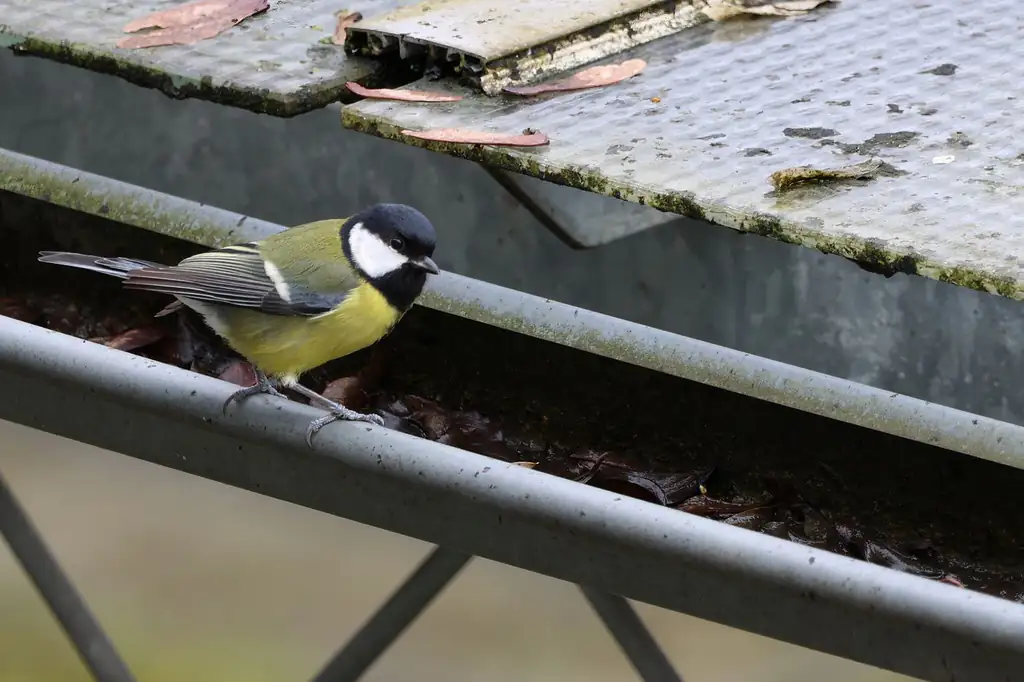
Gutter guards deny birds, rodents and wasps the open, debris-filled trough they like to nest in — but only if the guard seals the gutter well and stays clear. A clogged or gap-prone guard can still shelter pests.
Gutter guards can keep birds, rodents and stinging insects out of your gutters, but only when the guard actually seals the trough and you keep its surface clear. The reason is simple: pests are not drawn to gutters themselves — they are drawn to the open channel full of damp leaves that an uncovered gutter provides. Take that space away and most of the appeal goes with it. Leave gaps, or let debris rot on top of the guard, and you can end up sheltering the very pests you hoped to exclude.
An uncovered gutter is close to ideal habitat for small wildlife. It is elevated and out of reach of ground predators, it collects a soft bed of leaves and twigs, and after rain it holds moisture. Birds see ready-made nesting material. Rodents see a sheltered runway along the roofline. Mosquitoes and other insects see standing water in the low spots where debris blocks drainage.
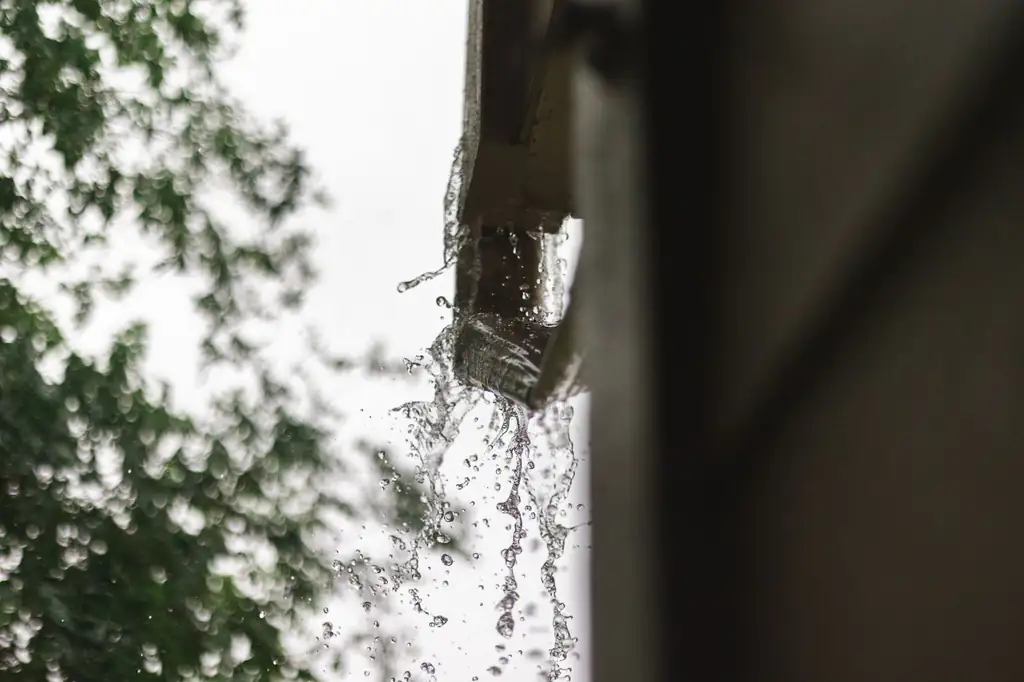
A gutter guard interrupts that arrangement by covering the top of the trough. If you want the full picture of how that cover changes water flow and debris capture, our overview of how gutter guards work walks through the mechanics. For pests specifically, the key idea is that the guard removes the open, debris-lined cavity animals look for.
A guard deters nesting in three overlapping ways:
Guards reduce the appeal of the gutter, but they are not a whole-house pest barrier. Animals looking for a way into a soffit, attic vent or fascia gap will keep looking whether or not the gutter is covered.
The weak points are almost always gaps and neglect, not the guard material itself.
Guards are cut and fitted piece by piece, and the ends, inside corners and downspout areas are where an installer may leave a small opening. A mouse needs very little space, and a determined bird will exploit a loose section that lifts in the wind. Sloppy fit is the single most common reason a “sealed” gutter still hosts a nest.
A guard that is buried under a mat of wet leaves has effectively rebuilt the habitat on its upper surface. Birds can nest on top of that mat, and the rotting layer draws insects. This is why the promise of a set-and-forget guard is worth treating with skepticism — no guard eliminates upkeep entirely, a point we cover in do gutter guards eliminate cleaning?.
Solid covers and reverse-curve designs create a roofed-over space beneath them. That space is usually a good thing for keeping debris out, but if it stays dry and undisturbed it can appeal to wasps looking for a sheltered spot to build.
No type is a guaranteed barrier, but they differ in how completely they close the trough.
| Guard type | Birds | Rodents | Wasps/insects | Notes |
|---|---|---|---|---|
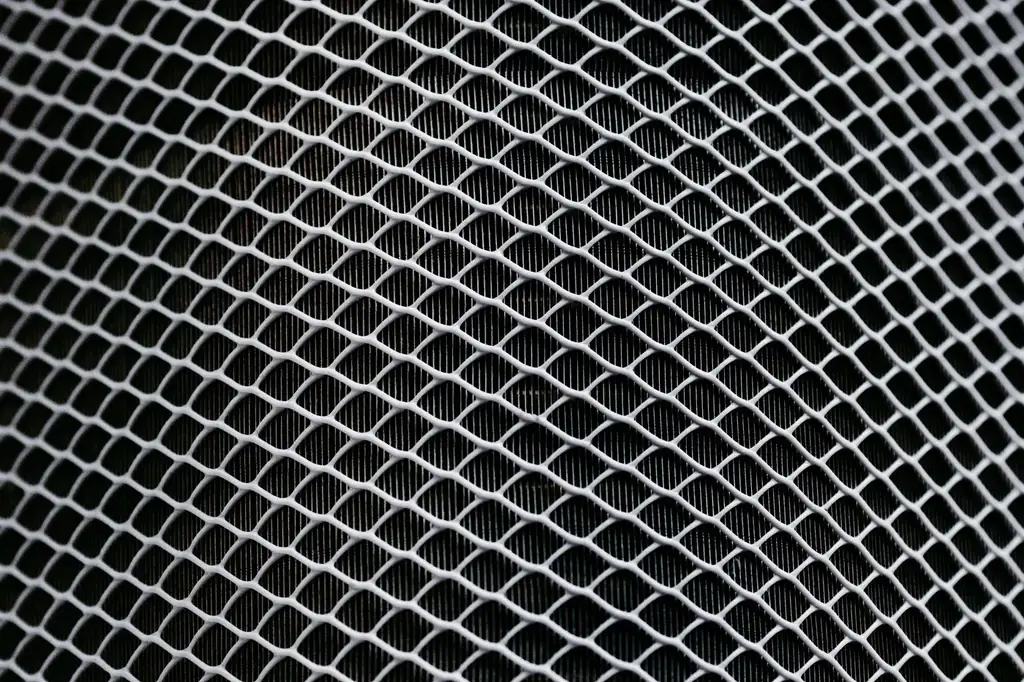
| Fine micro-mesh | Strong | Strong | Good | Small openings close off the trough; can clog with fine grime on top |
| Solid / reverse-curve | Strong | Good | Mixed | Seals the top well but can create a sheltered cavity below |
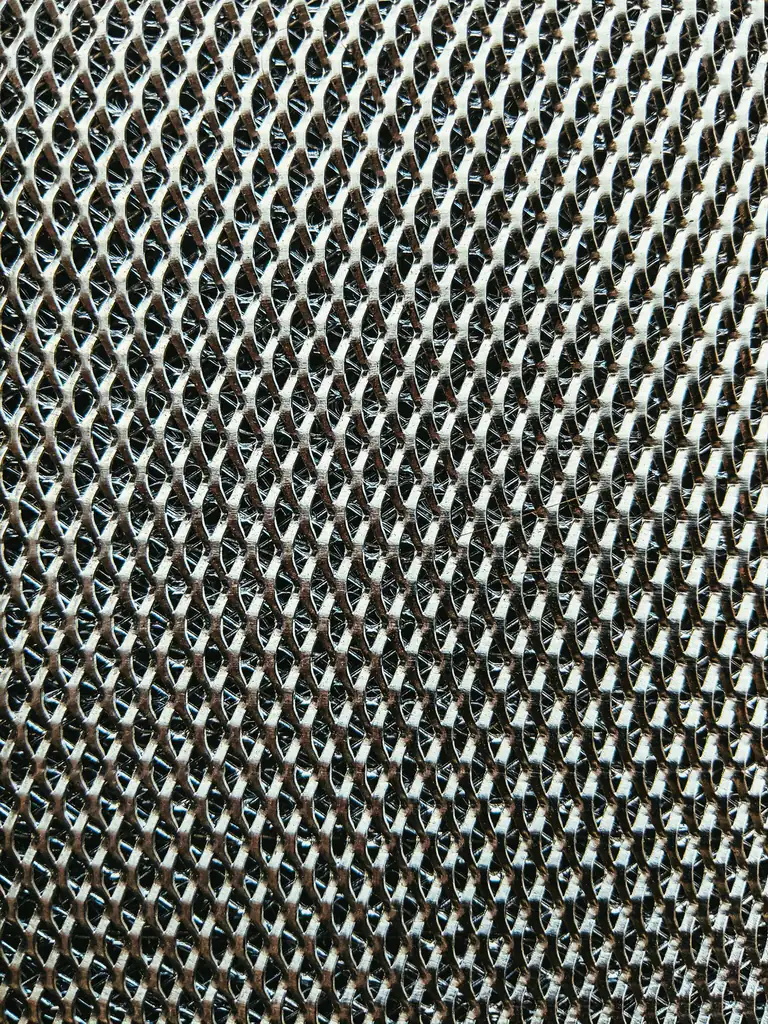
| Perforated metal | Good | Good | Good | Moderate holes keep most out; check for gaps at edges |
| Coarse screen | Good for large birds | Weak | Weak | Blocks leaves and big birds; small pests pass through openings |
| Foam / brush inserts | Weak | Weak | Weak | Fill the trough but hold debris and can become nesting material themselves |
The takeaway: fine mesh and well-fitted solid covers generally seal the trough most completely, while coarse screens and insert-style products leave openings or material that pests can use.
Gutter guards are a reasonable, if partial, tool against birds and pests. Their value comes from denying animals the open, damp, debris-filled trough they want — which a well-fitted, regularly cleared guard does well. Their limits come from gaps, neglect and the parts of your house a gutter cover never touches. If you install carefully over a clean gutter and check the surface a couple of times a year, you will make your gutters a genuinely poor place for a bird or wasp to set up. Just do not expect any product to be the last word in pest control.
FAQ
They can, because most birds want an open, debris-lined trough to build in. A guard that seals the top of the gutter removes that space. But if the guard sits loose, leaves gaps at the ends, or lets debris pile on top, a bird may still find a foothold to nest.
A well-fitted solid or fine-mesh guard makes the gutter far less inviting because there is no loose nesting material and no easy way in. Rodents are persistent, though, and can exploit gaps at seams, corners, or where the guard meets the roof. Guards help, but they are not a rodent barrier for the rest of the house.
Sometimes. Wasps like sheltered, dry cavities, and a solid or reverse-curve guard can create a covered pocket that appeals to them if the space stays dry and undisturbed. Open screens are less enclosed and give wasps less to work with.
A clean, sealed guard should not. The problem is a neglected guard — one loaded with rotting debris on top, or one clogged underneath — because decaying organic matter and standing water draw insects and give birds nesting material. Keeping the surface clear is what keeps pests uninterested.
For sealing out nesting, fine micro-mesh and well-fitted solid covers generally close off the trough most completely. Coarse screens keep large birds and leaves out but leave gaps small pests can pass. No single type is a guaranteed pest barrier.
Not on its own. Clear out the existing nest and debris first, confirm the pests are gone, then install the guard over a clean gutter. Sealing a guard over an active nest can trap animals or leave decaying material that keeps attracting insects.
Keep reading
Do gutter guards cause ice dams? No — ice dams come from attic heat loss and refreezing at the eave. How guards interact with ice and what actually helps.
How roof grit and shingle granules affect gutter guards — why fine grit blinds mesh and settles in troughs, and how to manage it as shingles age.
How to install gutter guards step by step — prep, the main mounting methods, avoiding shingle and warranty problems, and when to call a pro.