Micro-Mesh vs Screen Gutter Guards
Micro-mesh vs screen gutter guards compared: what each stops, the downpour trade-off, durability, cost, and how to choose for your debris.
Gutter Guards

Micro-mesh guards use a fine metal screen that blocks nearly all debris while letting water soak through; reverse-curve guards use a solid nose that leads water around a curve into a slot while debris tumbles off. Mesh handles fine debris better but can blind over with grit; reverse-curve sheds bulk well but can overshoot in heavy rain and lets fine material in.
Micro-mesh and reverse-curve are two of the most common rigid gutter-guard designs, and they solve the debris problem in fundamentally different ways. A micro-mesh guard covers the gutter with a fine metal screen: water soaks straight through the tiny openings while leaves, needles, and most fine debris stay on top. A reverse-curve guard uses a solid, curved nose that leads water around the outer edge and into a narrow slot, while debris keeps moving past the curve and falls to the ground. Mesh tends to handle fine debris better but can slowly blind over with grit; reverse-curve sheds bulky leaves well but can overshoot in downpours and let fine material slip through the slot. Here is how they actually compare.
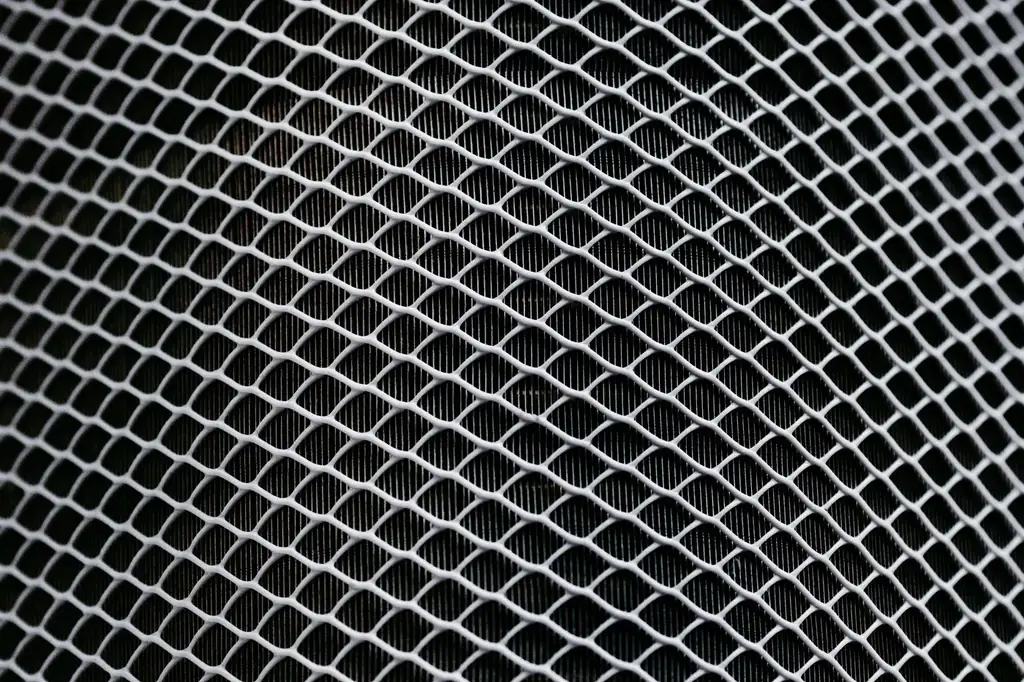
A micro-mesh guard is a panel of fine stainless or aluminum mesh, usually bonded to a rigid frame, that sits over the gutter opening. The openings are small enough that water passes through by surface tension and gravity while nearly all debris is held on the surface. Because the whole top of the gutter is a filter, intake is spread across the full run rather than concentrated at one edge. For the underlying principle, see how gutter guards work.
A reverse-curve guard — sometimes called a surface-tension or “nose-forward” guard — is a solid cover with a rounded lip at the front. Water clings to the curved surface and wraps around it into a slot behind the nose, where it drops into the gutter. Larger debris cannot make the turn, so it carries on over the edge and falls off. The reverse-curve design is explained in more detail here.
The key difference is where water enters: across the whole mesh surface, versus through a single slot behind a solid nose. That one distinction drives most of the trade-offs below.
Both designs have to keep up with peak flow, and both have a failure mode when they cannot.
Overshoot and slowed intake are not proof a guard is defective — they usually signal a clogged surface, wrong pitch, or a system undersized for the roof's runoff. Diagnose the cause before replacing the guard.
Reverse-curve guards tend to be more visible from the ground because the solid nose can project slightly past the gutter lip and cast a shadow line. Micro-mesh panels usually sit lower and flatter within the gutter profile, so they are generally less noticeable. If curb appeal matters, this is worth checking in person on a sample.
| Factor | Micro-mesh | Reverse-curve |
|---|---|---|
| Water entry | Through fine mesh across the top | Around a nose into a slot |
| Bulky leaves | Held on surface | Shed over the nose |
| Pine needles | Usually kept out (can bridge) | Fragments can enter slot |
| Fine grit | Can blind the mesh surface | Can pass into the trough |
| Heavy rain risk | Slowed intake if clogged | Overshoot past the slot |
| Visibility | Lower, flatter | More visible nose line |
| Cleaning | Clear surface grit and film | Clear nose, check trough |
Read this as general tendency; specific products and installation quality vary widely within each category.
Neither type is fit-and-forget. Micro-mesh needs its surface kept clear of grit and the fine film that can build up and slow intake; our guide on how to clean micro-mesh gutter guards covers the gentle approach. Reverse-curve guards need debris cleared off the nose and the trough checked periodically for fine material that rode through the slot. Whichever you choose, remember neither eliminates cleaning — they reduce it. And these two are not the only rigid options; micro-mesh compared with flat screen guards is a useful companion comparison.
FAQ
Micro-mesh guards cover the gutter with a fine metal screen that water passes through while debris stays on top. Reverse-curve guards use a solid curved nose that guides water around the edge and into a narrow slot, letting leaves fall past. One filters water through a mesh; the other steers it around a curve.
Micro-mesh generally captures fine debris better because its openings are very small. The trade-off is that fine grit can accumulate on the mesh surface and slowly blind it over, reducing how fast water soaks through until it is cleaned.
They can. Because reverse-curve designs rely on a slot for water to enter, small material such as seeds, grit, and needle fragments can ride the water stream through the slot and settle in the trough, so the gutter is not fully sealed off.
It depends on the specific product and pitch. Reverse-curve guards can shed water past the slot in very intense rain, causing overshoot, while micro-mesh can slow intake if the mesh is partly clogged. A clean guard of either type sized correctly performs best.
Reverse-curve guards tend to be more visible because their solid nose can extend slightly past the gutter lip and may show a shadow line. Micro-mesh panels usually sit lower and flatter, so they are generally less noticeable.
Both can last many years when made of durable metal and installed well. Longevity depends more on material grade, fastening, and climate than on the design category itself, so compare build quality rather than assuming one type always outlasts the other.
No. Both reduce how often gutters clog, but neither is fully maintenance-free. Micro-mesh needs its surface cleared of grit and film, and reverse-curve guards need debris cleared from the nose and the trough checked for fine material that slipped through.
Keep reading
Micro-mesh vs screen gutter guards compared: what each stops, the downpour trade-off, durability, cost, and how to choose for your debris.
How roof grit and shingle granules affect gutter guards — why fine grit blinds mesh and settles in troughs, and how to manage it as shingles age.
Foam vs brush gutter guards compared — how each works, maintenance reality, UV aging, cost factors, and how to choose between the two DIY options.