Zinc Gutters — A Long-Life Alternative to Copper
How zinc gutters weather, how long they last, what they cost against copper and aluminum, and the galvanic and acidic-runoff cautions to plan for.
Gutters
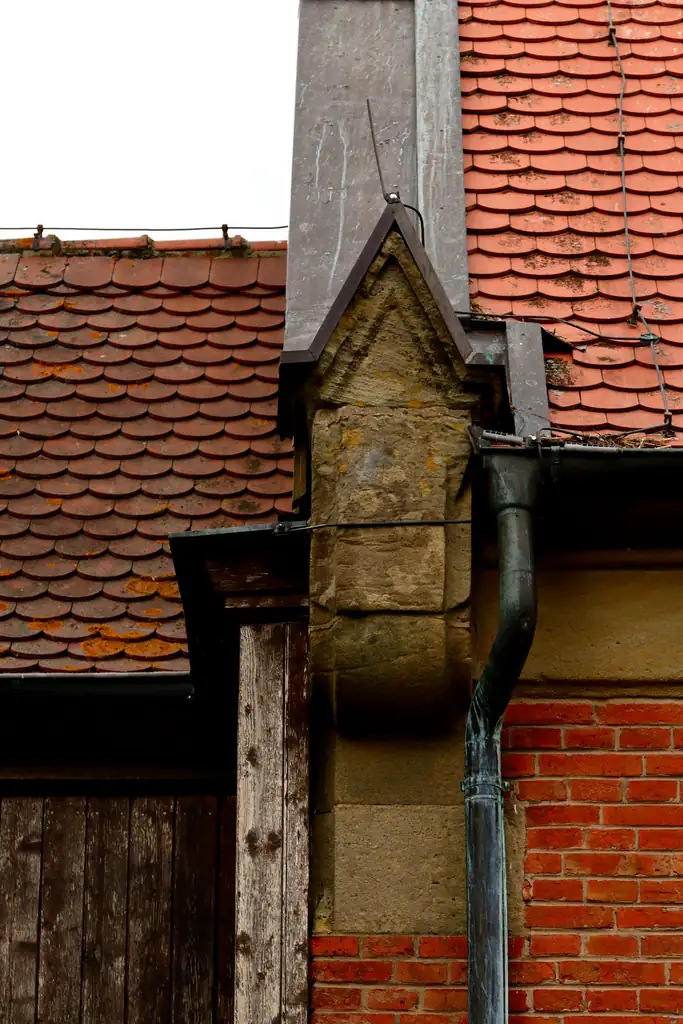
Gutter lifespan depends mostly on material and maintenance — aluminum commonly lasts around 20 years, steel somewhat less as it rusts, and copper or zinc can pass 50. Neglect, standing water and harsh climate shorten any of them.
Most gutters are living on a schedule set by two things: what they are made of and how well they are cared for. Aluminum, the common choice, tends to give around 20 years. Steel usually gives less because it rusts. Copper and zinc can run past 50. But neglect, water that never fully drains, and a harsh climate can cut any of those numbers down.
This guide lays out the typical ranges, explains what quietly steals years from a gutter, and shows you how to tell when a run is genuinely finished versus simply due for a repair.
Material is the single biggest predictor. The ranges below are rules of thumb, not guarantees — a well-kept aluminum gutter can outlast a neglected one by many years.
| Material | Typical lifespan (rule of thumb) | Main weakness | Notes |
|---|---|---|---|
| Galvanized steel | Often under 20 years | Rust once coating fails | Strong but corrodes over time |
| Aluminum | Around 20 years | Dents, eventual pitting | The common default choice |
| Zinc | Several decades, sometimes 50+ | Acidic runoff, dissimilar metals | Weathers to a protective patina |
| Copper | 50+ years | High cost, not durability | Longest-lived common metal |
If you are choosing between these for a replacement, our gutter materials compared guide goes deeper on the trade-offs behind each row.
Copper and zinc form stable surface layers that protect the metal underneath, which is why they last so long. Aluminum resists rust but is softer and thinner, so it dents and eventually pits. Steel is tough but depends on a coating; once that is breached, rust does the rest.
Two identical aluminum gutters can be a decade apart in real service life. The difference is almost always in these factors.
Leaves, grit and debris trap water against the metal and inside the seams. That constant dampness speeds corrosion and rot, and the added weight strains hangers. Regular clearing is the cheapest longevity insurance there is — our guide on how often to clean gutters helps you set a realistic interval for your trees and weather.
Water is only a problem when it stops moving. Poor slope, a low spot, or a blocked outlet leaves standing water that works on the metal and seams around the clock.
Slope matters more than people expect. A gutter that looks fine but drains slowly is aging faster on the inside than one with proper pitch. If water lingers after rain, treat it as a maintenance issue, not a cosmetic one.
Harsh weather is unavoidable but worth accounting for. Heavy freeze-thaw cycles stress seams and add ice weight; intense sun degrades sealants and finishes; coastal salt air accelerates corrosion on several metals.
A gutter hung with too few hangers, the wrong slope, or leaky seams starts life at a disadvantage. Many “premature” failures trace back to install shortcuts covered in our list of gutter installation mistakes to avoid.
Individual repairs are normal throughout a gutter’s life. The question is whether you are patching a healthy system or propping up a worn-out one. These signs, especially several together, point to end of life:
One leaking seam is a repair. Rust along an entire run plus recurring sag is a replacement conversation. Our guide on signs your gutters are failing helps you read the difference before water damage forces the decision.
Assess from a safe ladder, not by climbing on a weak gutter. An end-of-life gutter can pull loose under any weight. Keep the ladder on level ground, maintain three points of contact, and never use the gutter to steady yourself. Leave high or steep runs to a professional.
A useful frame: if the problems are localized and the metal is otherwise sound, repair. If they are spread across the system and the material itself is failing, replacement usually costs less over time than an endless string of patches.
Keep drainage systems distinct as you plan. A gutter carries roof water to a downspout; getting that water away from the foundation, or keeping a basement dry, are separate problems with separate fixes. Replacing gutters solves roof-edge drainage — not a wet basement on its own.
Plan around your material’s typical range, then treat maintenance as the lever that moves you within it. Keep the gutters clear, keep water moving, fix small leaks early, and most systems will reach — or beat — their expected years. Skip that upkeep and even a good metal falls short of what it could have given you.
FAQ
As a rule of thumb, aluminum gutters commonly last around 20 years. Good slope, regular cleaning and a mild climate push toward the high end; neglect and standing water pull it lower.
They can. Copper and zinc are long-life metals that often pass the 50-year mark when installed and maintained well. That longevity is a big reason they cost more up front.
Steel is strong but rusts once its protective coating is scratched or worn. Rust spreads from those points, so galvanized steel often gives fewer years than aluminum in wet climates.
Yes, meaningfully. Clogs trap water against the metal and seams, which accelerates corrosion and rot. Keeping gutters clear and draining is one of the simplest ways to add years.
Cold, snowy regions with heavy freeze-thaw and coastal areas with salt air are both demanding. Ice adds weight and stress, and salt speeds corrosion on several metals.
Watch for widespread rust or pitting, splitting seams that keep leaking after resealing, sagging that returns, and peeling paint. A few of these together usually mean end of life.
Not for the whole run. A patched section may hold, but the surrounding older metal keeps aging. Spot repairs buy time; they do not restart the clock on the entire system.
Keep reading
How zinc gutters weather, how long they last, what they cost against copper and aluminum, and the galvanic and acidic-runoff cautions to plan for.
What makes copper gutters premium — patina stages, soldered seams, lifespan, cost, and galvanic corrosion cautions.
How galvanized, Galvalume, and stainless steel gutters compare on strength, rust resistance, climate fit, and cost, plus a galvanic corrosion warning.