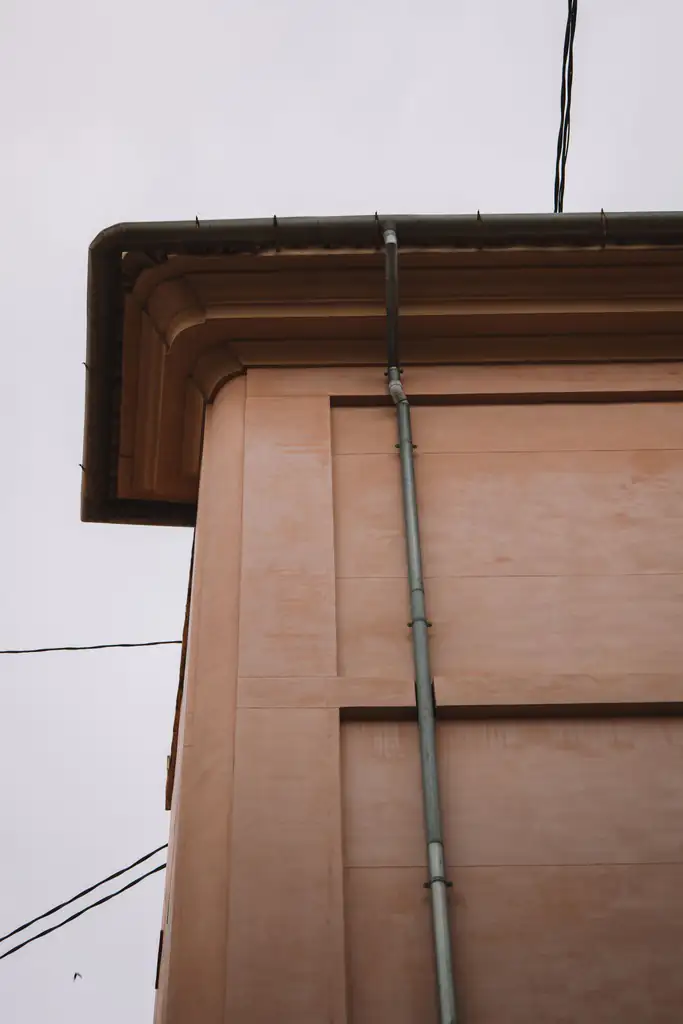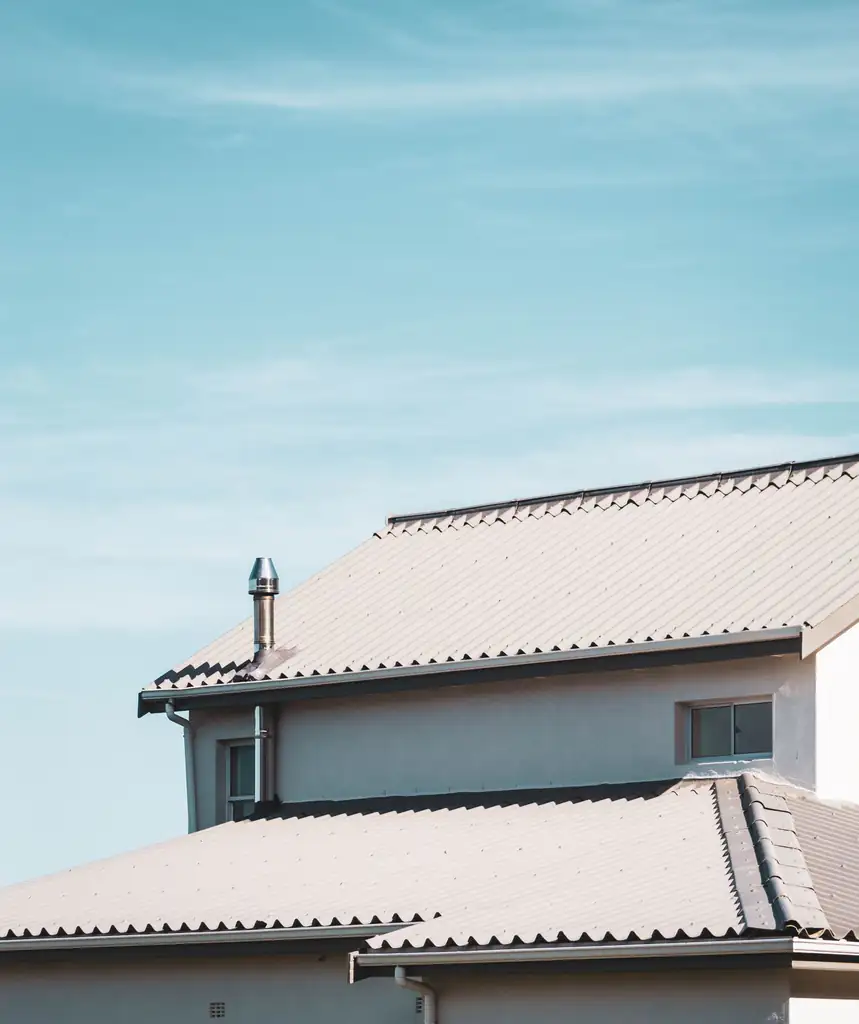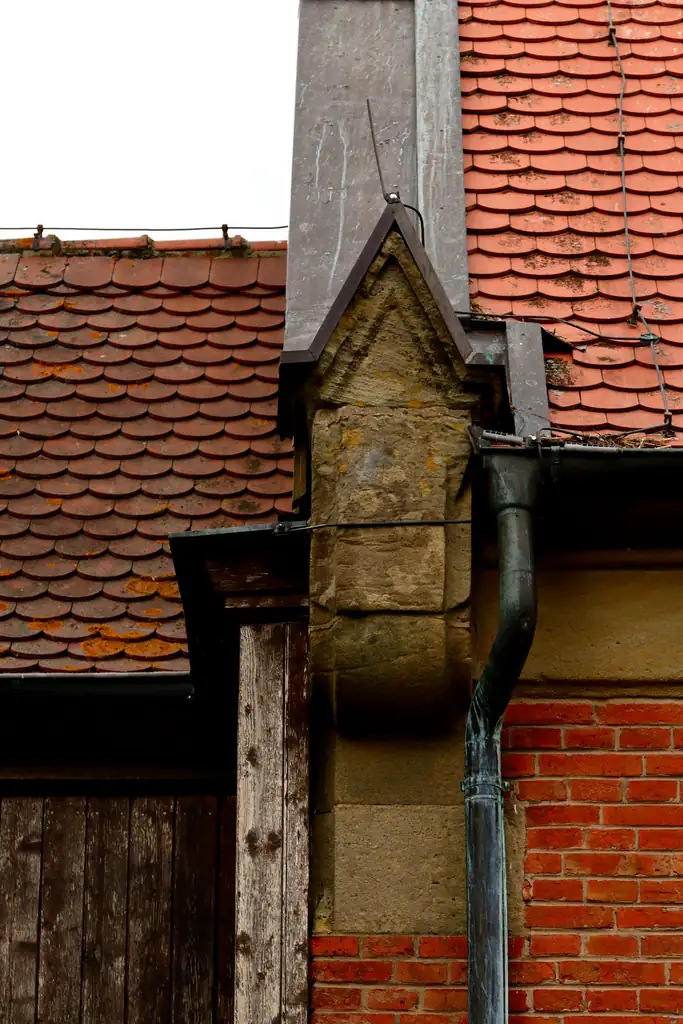
How Long Do Gutters Last?
Typical gutter lifespans by material, what shortens them, the signs a run is near the end, and how upkeep stretches the years you get.
Gutters
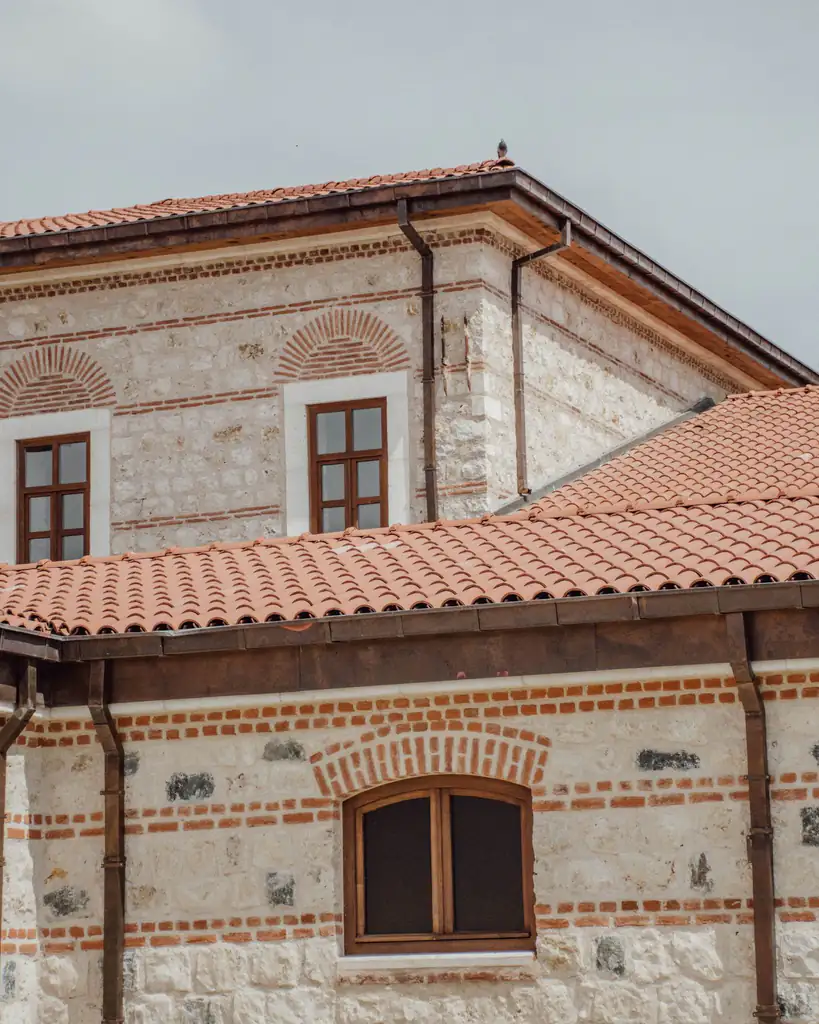
Zinc gutters are a durable, long-life metal that weathers to a soft matte-grey patina and can last for decades — usually cheaper than copper but pricier than aluminum. They self-heal minor scratches over time but need care around dissimilar metals and acidic runoff.
Zinc gutters give you much of copper’s longevity for less money, trading copper’s warm shine for a quiet matte-grey finish that ages into the background of a house. They can run for decades, shrug off minor scratches as the surface re-weathers, and ask little of you once installed — provided you keep them away from the wrong neighboring metals and acidic runoff.
If you are weighing metals for a long-term gutter, zinc is worth understanding on its own terms rather than as a cheap copper substitute. Below is how it behaves, what it tends to cost, how long it holds up, and where it can go wrong.
Most “zinc” gutters sold for homes are not pure zinc. They are a titanium-zinc alloy — zinc with small additions of titanium and copper that make the metal easier to form and more stable over time. The result is a rigid, self-supporting gutter that holds its shape well and does not dent as readily as thin aluminum.
The look is the first thing people notice. New zinc has a bright, slightly bluish sheen. Left outdoors, it dulls within months and settles into a soft grey. For homeowners who dislike copper’s eventual green or the sameness of painted aluminum, that understated grey is part of the appeal.
If you are still narrowing the field, it helps to see the full range side by side in our gutter materials compared overview before committing to any one metal.
The grey surface is a patina — a thin oxide layer that forms as zinc reacts with air and moisture. Unlike rust on steel, this layer is stable and adheres tightly. It becomes a protective skin rather than a sign of decay.
That is also where the “self-healing” reputation comes from. When you scuff bare zinc, the exposed metal weathers and forms fresh patina, and over time the mark tends to blend with the surrounding surface.
Self-healing is a genuine trait but a modest one. It smooths out light surface scratches, not deep gouges, dents or punctures. Treat it as a bonus, not a repair plan.
Patina also takes time and even exposure to develop. During the first year you may see uneven coloring as some sections weather faster than others. This usually evens out, but it can look patchy while it settles.
Lifespan is the strongest argument for zinc. In a favorable climate, well-installed zinc can last several decades and sometimes pass 50 years — far beyond typical aluminum, and in the same territory as copper.
Those numbers are rules of thumb, not promises. Real service life depends on your rainfall chemistry, how clean you keep the gutter, and whether water ever sits still inside it. A zinc gutter that stays clogged and damp will not reach its potential.
Zinc generally sits in the middle-to-upper part of the metal range: more than aluminum, less than copper. Because prices swing with commodity markets and vary by region and installer, it is smarter to think in relative terms than to fixate on a dollar figure.
| Material | Relative cost | Typical lifespan (rule of thumb) | Finish over time |
|---|---|---|---|
| Aluminum | Lower | Around 20 years | Painted; fades slowly |
| Galvanized steel | Low–moderate | Often under 20 years | Can rust at scratches |
| Zinc | Moderate–high | Several decades, sometimes 50+ | Weathers to matte grey |
| Copper | Highest | 50+ years | Weathers to green patina |
The other half of the cost story is installation. Zinc is often soldered at joints, which is skilled work, so labor can be higher than for a snap-together aluminum system. If you are drawn to zinc partly for looks, our aluminium vs copper gutters comparison is a useful reference point for how premium metals differ from the budget default.
Zinc’s biggest real-world weakness is chemistry. Two situations deserve planning.
Dissimilar metals. When zinc shares a wet drainage path with a more “noble” metal such as copper, the zinc can corrode faster — galvanic corrosion. The classic mistake is copper flashing or a copper roof draining onto zinc gutters, or copper fasteners in a zinc system. Keep the two apart, or isolate them where they must meet.
Acidic water. Runoff carrying acid — from some roofing materials, or tannins leaching out of piled leaves — attacks zinc over time. This is one more reason not to let debris sit in the trough.
Also mind what leaves the gutter. Zinc runoff is not something you want pooling on delicate plantings directly below a downspout. Direct discharge away from beds you care about.
Zinc is low-maintenance, not no-maintenance. The routine is familiar: keep it clear so water moves and never stands. If you are unsure how often that means for your setup, our guide on how often to clean gutters lays out sensible intervals by tree cover and climate.
When you do inspect, look for:
Work from stable footing. Zinc inspection still means ladder work. Use a level base, keep three points of contact, and never lean out past the rails. If a run is high or steep, hire it out rather than overreach.
Zinc rewards owners who want a decades-long, low-fuss metal and like a muted finish, and who are willing to pay more than aluminum for it. It is a strong pick in mild, clean-air climates and a more cautious one on the coast or under acid-heavy conditions.
If your priority is the longest possible life and budget is secondary, copper remains the benchmark. If cost rules the decision, aluminum still wins. Zinc lives in between — and for a lot of homes, that middle ground is exactly the point.
FAQ
As a rule of thumb, zinc gutters can last several decades and sometimes pass the 50-year mark in a mild climate. Life is shorter where runoff is acidic or where standing debris keeps the metal wet.
Generally yes. Zinc typically sits below copper on price while landing above aluminum. Exact figures move with the market and your region, so treat any single number with caution.
It is a natural patina — a stable oxide layer that forms as the metal weathers. It shifts the finish from bright to a soft matte grey and helps protect the surface underneath.
To a degree. Minor surface scuffs tend to blend back in over time as fresh patina forms over the exposed metal. Deep gouges or punctures will not close on their own.
No. Most owners leave zinc bare so it can develop its patina. Paint is optional and largely cosmetic, and it removes the low-maintenance appeal that draws people to zinc.
It is best avoided. Pairing dissimilar metals in a wet path can drive galvanic corrosion. If they must meet, isolate them and keep copper from draining onto the zinc.
It can work, but salt air and acidic conditions are harder on the metal. Weigh it against other options and expect maintenance to matter more near the coast.
Keep reading
Typical gutter lifespans by material, what shortens them, the signs a run is near the end, and how upkeep stretches the years you get.
What makes copper gutters premium — patina stages, soldered seams, lifespan, cost, and galvanic corrosion cautions.
How galvanized, Galvalume, and stainless steel gutters compare on strength, rust resistance, climate fit, and cost, plus a galvanic corrosion warning.