Do Ice Melt Socks Work on Ice Dams?
An ice melt sock can open a small drainage channel through an ice dam so water escapes. Whether it works, how to use one safely, and its real limits.
Ice Dams & Winter Water
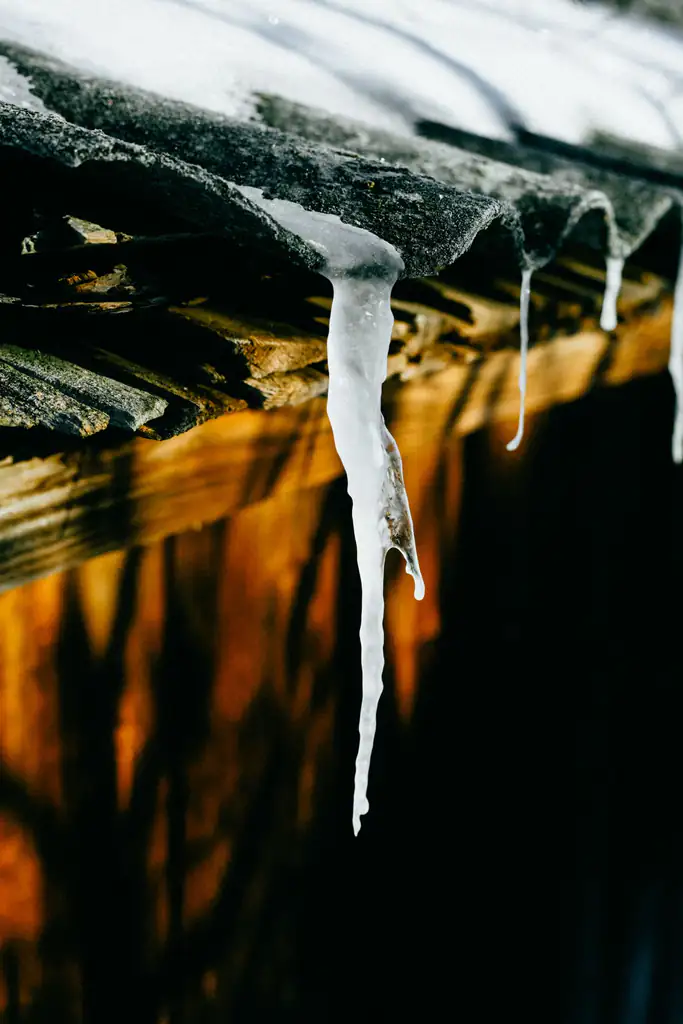
Ice-melt products such as calcium-chloride socks can open a drainage channel through gutter ice, but rock salt corrodes metal and harms plants, and none of it fixes the cause. Use them sparingly and safely, and never climb an icy roof to apply them.
Ice-melt products, such as a sock filled with calcium-chloride pellets, can open a narrow drainage channel through ice in a gutter or at the eave and relieve some pooling. But rock salt corrodes metal and harms plants, none of these products remove the dam or fix its cause, and any relief is temporary. Use them sparingly, apply them only from a safe spot, and never climb an icy roof to place them.
It helps to be clear-eyed about what you are buying. Ice melt does one modest thing well: given time, it can melt a channel through ice so trapped water has somewhere to drain. On a gutter clogged with ice, or at a spot where water is ponding behind a dam, that channel can ease the immediate pressure and slow a drip.
What it cannot do is remove the dam or stop it coming back. The dam re-forms as long as the roof deck stays warm and meltwater keeps refreezing at the cold eave. So ice melt is a stopgap, not a solution. It buys a little time during an active problem while you arrange a real fix. For the durable approach and safe removal methods, see removing ice dams safely, and for the gutter-specific side of the problem, ice in gutters and downspouts.
No ice-melt product fixes the cause of an ice dam. The dam forms because heat is escaping into the attic and warming the roof deck. Until that changes, you are melting the same ice over and over. Treat ice melt as first aid, not treatment.
Not all ice melt is the same, and the differences matter for your gutters, your masonry, and your garden.
| Product | Typical strength | Cautions |
|---|---|---|
| Rock salt (sodium chloride) | Cheap, widely available | Corrodes metal gutters and flashing; damages concrete and masonry; harms plants and soil; less effective in deep cold |
| Calcium chloride | Works at lower temperatures | Often gentler on vegetation than rock salt but still not harmless; can still corrode metal and affect plantings; costs more |
| Other blends | Varies | Read the label; many contain chlorides with similar cautions |
The table is a general comparison, not a specification. Always follow the product label and consider what lies below the eave.
The headline for a homeowner: rock salt is the harshest common option. It eats at metal gutters and fasteners, pits and scales concrete and masonry, and the salty runoff burns nearby plants and lingers in the soil. Calcium chloride works in colder temperatures and is often easier on vegetation, but it is not a free pass. It can still corrode metal over time and stress plantings in the runoff. Whichever you use, the guiding rule is the same: use the least amount that does the job.
The safe technique is a contained one. Fill a cloth tube or an old sock with pellets and lay it across the ice so it lies perpendicular to the gutter, or over the dam at the eave, so it melts a vertical channel for water to escape. A contained sock is easier to control than loose salt flung onto the roof, and it concentrates the product where you want the channel.
The non-negotiable part is where you stand. Place the sock only from a spot you can reach safely, such as from the ground, a stable surface, or through an upper window within easy reach. Do not get on the roof or lean a ladder against ice-loaded gutters.
Do not climb onto an icy or snow-covered roof. It is extremely dangerous; serious ice-dam work is a job for professionals with the right equipment.
If the only way to place ice melt is to climb onto the roof, that is your signal to stop and call a professional rather than take the risk. No drainage channel is worth a fall.
To limit collateral damage, keep the product off shingles and siding where you can, aim to protect plants below the eave, and rinse affected metal, masonry, and soil when milder weather allows. Store pellets dry and away from pets and children.
Gutter ice-melt products have a narrow, legitimate role: as first aid, they can open a drainage channel and relieve an active backup for a while. But they corrode metal and harm plants, especially rock salt, and none of them fix the heat loss that creates the dam. Use them sparingly, apply them only from a safe spot you can reach, protect what lies below, and treat the whole thing as buying time until you can address the attic properly.
FAQ
No. At best they open a narrow drainage channel through ice in a gutter or at the eave, which can relieve pooling. They do not remove the dam or fix the attic heat loss that creates it, so any relief is temporary.
Rock salt is sodium chloride; it is cheap but corrodes metal, damages masonry, and harms plants and soil. Calcium chloride works at lower temperatures and is often gentler on vegetation, though it can still affect metal and plantings, so both call for care.
You fill a cloth tube or old sock with calcium-chloride pellets and lay it across the ice so it lies perpendicular to the gutter or over the dam, letting it melt a vertical channel for water to drain. The key is placing it from a safe spot, not climbing onto the roof.
It can. Chloride products are corrosive to metal over time, and runoff can stain masonry and harm plants below. Use the minimum needed, keep it off shingles and siding where you can, and rinse affected areas when the weather allows.
Loose salt scattered on a roof is hard to control, corrodes metal, harms plants in the runoff, and rarely helps much. A contained sock placed where you can safely reach is a more measured approach, but the real fix is in the attic.
Because it treats a symptom. Opening a drainage channel can ease an active problem for a while, but the dam re-forms as long as the roof deck stays warm. Lasting results come from air sealing, insulation, and ventilation.
Keep reading
An ice melt sock can open a small drainage channel through an ice dam so water escapes. Whether it works, how to use one safely, and its real limits.
The safe way to remove an ice dam is limited — rake from the ground and call a pro to steam an active leak. Never climb, chip, or use flame. A step guide.
A roof rake pulls snow off the lower roof from the ground, starving an ice dam of the snow that feeds it. How to use one safely and where it helps.