Removing Ice Dams Safely
Safe ice-dam removal is limited — rake snow from the ground and call a pro to steam an active leak. Never climb an icy roof, chip the ice, or use a flame.
Ice Dams & Winter Water
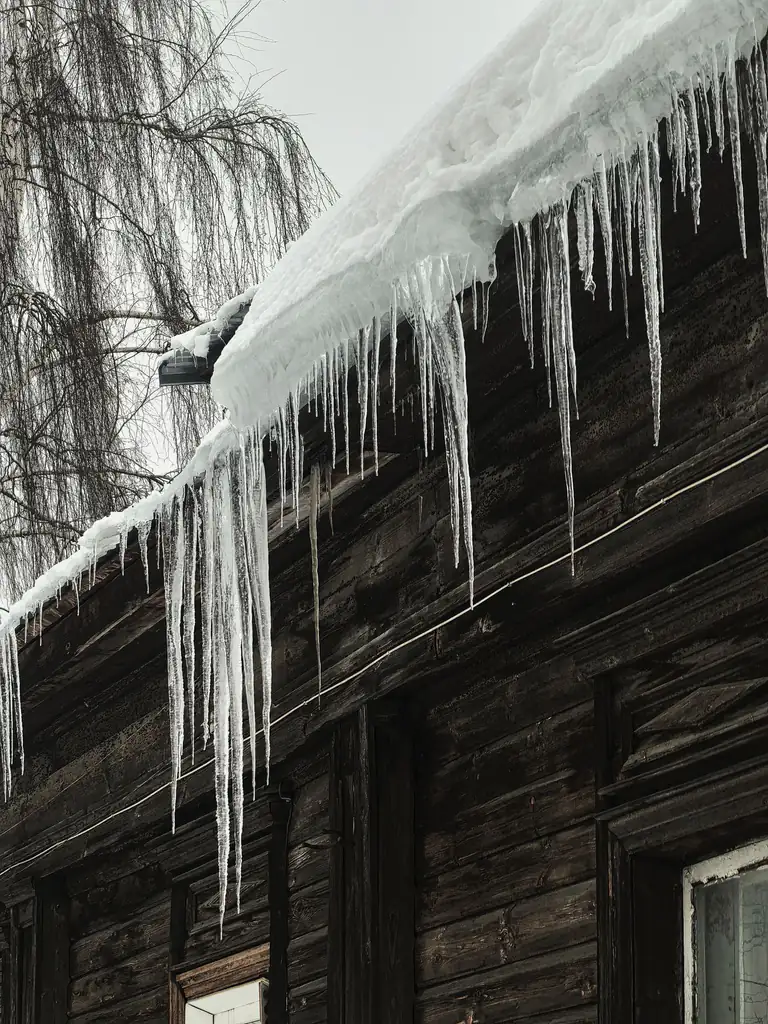
Once a dam has formed, the safe options are few — rake snow off the lower roof from the ground, and for an active leak, hire a pro to steam it off. Never climb an icy roof, chip at the ice, or use a flame or hot water. Removal is triage; the lasting fix is in the attic.
Once an ice dam has already formed, your safe options are genuinely limited — and it is worth accepting that up front, because most of the “quick fixes” people reach for are dangerous or destructive. The two safe moves are raking snow off the lower roof from the ground, and, for a dam that is actively leaking into the house, calling a professional to steam it off. Do not climb an icy roof, do not chip at the ice, and do not use a flame or hot water. Those cause falls, wreck shingles, and start fires. And removal is only triage — the lasting fix is up in the attic.
Do not climb onto an icy or snow-covered roof. It is one of the most dangerous surfaces you can stand on, and chipping at ice damages the roof and causes falls. Serious ice-dam removal is a job for professionals with the right equipment and fall protection.
Cold makes asphalt shingles brittle, so they crack and gouge under the lightest tool, and a snow-glazed slope offers almost no footing. Every winter, falls from roofs and ladders send people to the hospital. No ice dam is worth that. If reaching the dam would require a ladder or the roof, treat that as your signal to stop and call a pro.
A roof rake lets you pull snow off the lower few feet of roof while keeping both feet on solid ground. Removing that snow takes away the raw material feeding the dam and can slow or stop its growth. Work from the side so sliding snow does not land on you, keep the handle well clear of power lines, and leave a thin layer rather than scraping bare shingle. This is the one hands-on step most homeowners can do safely — see roof rakes for ice dams for technique.
If water is pooling but not yet pouring inside, some people lay calcium-chloride ice melt in a sock or stocking across the dam to melt a small channel so the trapped water can escape. It can buy time. But only apply it from the ground or a securely footed position, never by venturing onto the roof, and mind the caveats below.
Ice melt is a compromise, not a cure. Calcium-chloride runoff can damage plants below the eave and, over time, corrode metal gutters and flashing or stain masonry and concrete. Avoid rock salt (sodium chloride), which is harsher on both metal and vegetation. Use any chemical melt as short-term triage while you arrange a real fix. See [gutter ice melt products and safety](/ice-dams/gutter-ice-melt-products-and-safety/).
If a dam is already leaking into the house, professionals can remove it with low-pressure steam. Steam melts the ice gently, without the gouging that chipping causes, and the crew works with proper fall protection. This is the safest way to deal with an established, leaking dam — and it is worth the call, because interior water damage compounds fast. The sooner the water stops entering, the less repair follows.
The list of things to avoid is longer than the list of safe options, which tells you how much folk wisdom here is actively harmful.
| Method | Verdict | Why |
|---|---|---|
| Roof raking from the ground | Safe | Both feet stay down; removes snow that feeds the dam |
| Professional steam removal | Safe (hire a pro) | Melts ice without gouging; crew uses fall protection |
| Calcium chloride from a safe spot | Caution | Opens a channel, but runoff harms plants, metal, masonry |
| Chipping with hand tools | Dangerous | Cracks shingles, punctures the deck, invites falls |
| Open flame or torch | Dangerous | Fire hazard; can ignite the roof structure |
| Hot water | Ineffective and risky | Refreezes fast; usually needs roof access |
| Climbing to shovel the roof | Dangerous | Falls from icy roofs cause serious injury |
The through-line is simple: anything that puts you on the roof, or puts a tool or flame against cold shingles, trades a manageable water problem for a fall, a hole, or a fire.
Here is the part that is easy to miss in the moment: getting rid of one dam does nothing to stop the next. The dam formed because heat escaping into your attic warmed the roof deck, melted the snow above, and let that meltwater refreeze at the cold eave — the mechanism laid out in how ice dams form. Steam or a rake clears today’s ice; neither changes the warm roof that made it.
The durable fix is in the attic — air-sealing the leaks where warm air escapes, adding insulation on the attic floor, and improving soffit-to-ridge ventilation so the deck stays cold. Plan that work for milder weather, when a contractor or energy auditor can get into the attic comfortably. Our guide to how to prevent ice dams walks through it.
When a dam has already formed, respect how few safe moves you actually have. Rake snow from the ground, open a drainage channel with calcium chloride only from a safe position, and for an active leak call a professional with steam equipment. Skip the climbing, chipping, flame, and hot water — they hurt people and roofs. Then, once winter eases, deal with the real cause in the attic so you are not doing this again next year. For a broader look at safe options and the same do-not list, see removing ice dams safely.
FAQ
For a dam that is actively leaking, professional steam removal is safest — low-pressure steam melts the ice without gouging the shingles, and the crew works with fall protection. Short of that, you can rake snow off the lower roof from the ground to slow the dam's growth. Anything that involves climbing an icy roof, chipping the ice, or using a flame is unsafe and often makes the damage worse.
You can safely rake snow from the ground, and as a stopgap some people lay calcium-chloride ice melt across the dam from a safe position to open a drainage channel. What you should not do is climb an icy roof, chip at the ice with tools, or use a torch or hot water. If a dam is actively leaking into the house, that is a job for a professional.
Chipping with a hammer, chisel, axe, or shovel almost always damages the roof. Cold shingles are brittle and gouge or crack easily, and one puncture turns a water backup into an actual hole. You would also be swinging tools while standing on ice, which is how serious falls happen.
No. An open flame or torch near a roof is a fire hazard that can ignite the structure — never do it. Hot water may melt a temporary channel but refreezes quickly, can add to the ice, and usually still requires being up on a dangerous roof. Neither is a safe or lasting fix.
It can melt a drainage channel through the ice, with caveats. The runoff can harm plants below the eave and, over time, corrode metal gutters and flashing or stain masonry. Avoid rock salt, which is harsher on metal and vegetation. Treat any chemical melt as short-term triage applied from a safe position, not a real fix.
Call a pro when a dam is actively leaking into your ceilings or walls, when the ice is thick and established, or any time reaching it would put you on a ladder or the roof. Professionals have steam equipment and fall protection to do the job without the risks a homeowner faces.
Removal is only triage. The dam formed because heat escaping into the attic warmed the roof and melted the snow. To stop dams returning, air-seal attic leaks, add insulation, and improve ventilation so the roof deck stays cold. That attic work is the only durable prevention.
Keep reading
Safe ice-dam removal is limited — rake snow from the ground and call a pro to steam an active leak. Never climb an icy roof, chip the ice, or use a flame.
An ice melt sock can open a small drainage channel through an ice dam so water escapes. Whether it works, how to use one safely, and its real limits.
A roof rake pulls snow off the lower roof from the ground, starving an ice dam of the snow that feeds it. How to use one safely and where it helps.