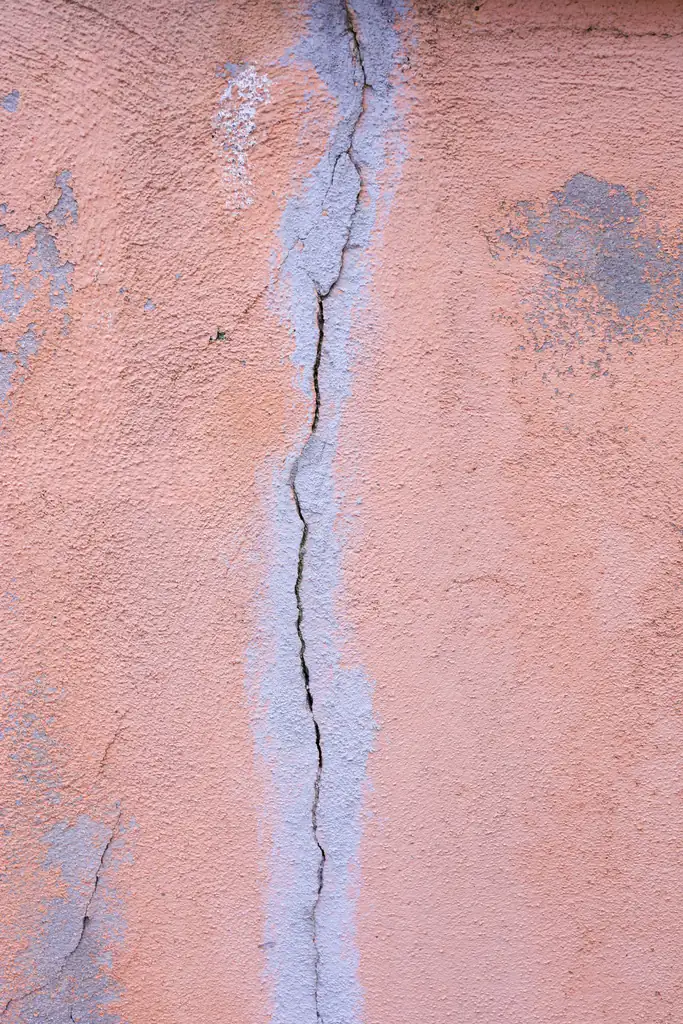
Why Is Water Coming Through the Wall?
Water comes through a wall when saturated soil outside pushes moisture through the concrete — via pressure, cracks, or weak points. The cause is usually drainage, not the wall itself.
Problem–Solution Hub
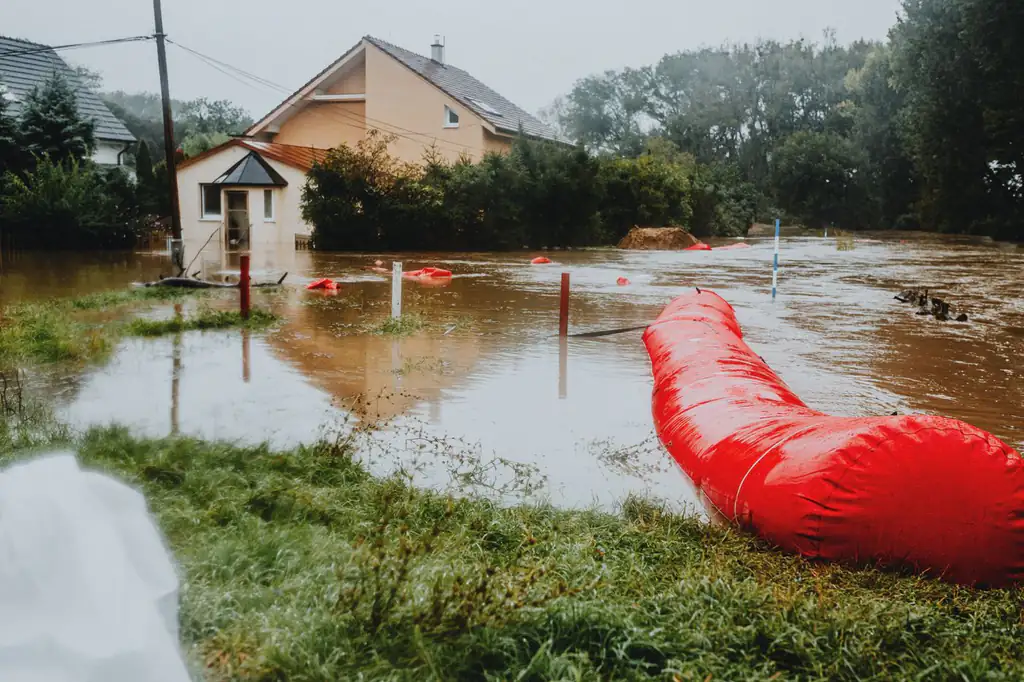
A musty smell that appears after rain means moisture is reaching the basement — through the walls or floor, or as raised humidity — and feeding mold and mildew on surfaces and belongings. The smell is the symptom; the fix is finding where the water or humidity comes from and cutting it off.
The basement is fine most of the time, but a day or two after heavy rain a damp, earthy, musty smell settles in and takes a while to clear. That smell is not random — it is the byproduct of mold and mildew, and mold responds to moisture. A basement smells musty after rain because rain raises the moisture in the space, either by letting water in through the walls or floor or by pushing up the humidity, and the mold that lives there becomes active and releases the odor. The smell is a symptom, not the problem. The real question is where the moisture comes from, and the durable fix is cutting it off rather than masking the smell that follows.
Mold and mildew need moisture to grow and stay active. In a dry environment they are dormant; add dampness and they wake up, spread, and give off the characteristic musty odor. That is why the smell follows the weather so closely — it rises when rain delivers moisture to the basement and eases as the space dries out between storms. The after-rain timing is one of the most useful clues you have, because it points straight at water or humidity arriving with the rain, and away from unrelated causes. Musty basement smell causes covers the range of sources in more detail.
Moisture reaches a basement in two broad ways, and telling them apart is the core of the diagnosis.
Rain saturates the soil around the foundation, and that water finds its way in — through the walls, up through the floor, or at a specific weak point like a crack or window well. This is infiltration: actual liquid water entering the space. It often leaves visible signs, such as damp patches, staining, or water on the floor, though not always. Because most of it originates outside, the trail usually leads to how water is being managed around the foundation. Why a basement gets wet after rain works through the causes.
The other form leaves no puddle. Basements are cool, and when warm, humid outdoor air reaches them — which it does more after rain, when outdoor humidity spikes — the indoor humidity can climb high enough to feed mold on its own. There is no leak to find because no liquid water entered. Distinguishing this from infiltration matters, because the fix is humidity control rather than sealing an entry point.
| What you notice | Likely cause | How to confirm |
|---|---|---|
| Damp patches or staining on walls or floor | Water infiltrating through walls or floor | Look for visible moisture and where it appears |
| No visible water, but the air feels heavy and damp | Humidity rising after rain | Track humidity with a hygrometer before and after rain |
| Water near a window or a specific spot | Localized leak — window well or crack | Trace the water back to its entry point |
| Smell worst near stored items in a corner | Mold growing on belongings in a damp zone | Move items and check for growth behind them |
| Smell rises after rain, fades between storms | Moisture arriving with the weather | Note the timing against the rain |
Two checks do most of the work. Track humidity: a simple hygrometer tells you whether the humidity climbs after rain, which points to a humidity problem rather than a leak. Look for visible water: check the walls, floor, and low corners for damp patches or staining after a storm, which points to infiltration and roughly where it enters. Separating condensation and humidity from actual seepage is the single most useful distinction here, and basement condensation vs water seepage explains how to tell them apart.
The smell is doing you a favor. It is an early, sensitive signal that moisture is reaching the space — often before there is standing water or visible damage. Treat it as information, not just an unpleasant odor. A basement that smells musty after every rain is telling you there is a recurring moisture source, and finding it now is easier and cheaper than dealing with the mold, damaged belongings, and structural dampness that a persistent moisture problem eventually brings.
The short version: a basement smells musty after rain because rain raises the moisture that feeds mold, whether as water getting in or as humidity climbing. Track the humidity, look for visible water, and note the timing against the storms. Once you know whether you are dealing with infiltration, humidity, or a specific leak, the fix follows — better drainage outside, humidity control inside, or sealing an entry point — and the smell goes with the moisture that caused it.
FAQ
Because the smell tracks moisture, and rain is what raises the moisture. Musty odor is produced by mold and mildew, which grow and become active when there is enough dampness to support them. After rain, water reaches the basement — through the walls or floor, or as a spike in humidity — and the existing mold responds, releasing the smell. Between storms the basement dries somewhat and the odor fades. The pattern of the smell rising after rain and easing afterward is itself a strong clue that the source is water getting in, not something else.
The smell itself is a warning rather than the hazard. It signals mold and mildew growth, and persistent damp and mold can affect indoor air and belongings, which is reason enough to take it seriously. The more important point is that the odor means moisture is regularly reaching the basement, and that moisture is what causes the underlying problem. Treating the smell as an air-freshener issue misses the point. It is telling you there is a water or humidity source to find and cut off.
By removing the moisture that feeds it, not by masking the odor. Air fresheners and cleaning knock the smell down briefly, but it returns with the next rain because the source is still there. The lasting fix is to find where the moisture comes from — water entering through walls or floor, or humidity that climbs after rain — and address that. Depending on the cause, that might mean improving exterior drainage, sealing a specific entry point, or controlling humidity. Once the moisture stops, the mold has nothing to sustain it and the smell goes with it.
Humidity alone can do it. Basements are naturally cool, and when warm, moist air reaches them it can raise humidity enough to feed mold without a single drop of liquid water entering. After rain, outdoor humidity rises and can push basement humidity past the point where mold thrives. That is why some musty basements have no visible leak. Telling condensation and humidity apart from actual water infiltration is a key diagnostic step, because the fixes differ — humidity control versus stopping water at its entry point.
It comes from one of a few places: water entering through the walls or floor under pressure from saturated soil, humid outdoor air raising the indoor humidity, or a specific leak such as a window well or a crack. Most basement moisture originates outside, from rain that is not being kept away from the foundation, so exterior drainage and grading are usually where the trail leads. Pinning down which source applies means checking for visible water, tracking humidity, and looking at what happens around the foundation during rain.
A musty smell indicates mold or mildew is present somewhere, even if you cannot see it — behind stored items, under flooring, or on surfaces. Cleaning visible growth helps, but it returns if the moisture continues, so the moisture comes first. Significant or hidden mold, especially over large areas or on porous materials, is worth assessing carefully and sometimes professionally. The order that works is: stop the moisture, then deal with the growth it left behind, so that what you clean does not simply come back after the next storm.
Bring in a professional when the moisture source is not obvious after your own checks, when water is actively entering and you cannot trace how, when the fix involves exterior drainage or foundation work, or when there is extensive mold. You can handle the diagnostics yourself — watching for the after-rain pattern, checking humidity, looking for visible water and drainage problems around the house. The point to call someone is when the cause turns out to be structural drainage, a hidden entry path, or a mold problem beyond a small surface area.
Keep reading
Water comes through a wall when saturated soil outside pushes moisture through the concrete — via pressure, cracks, or weak points. The cause is usually drainage, not the wall itself.
A sump pump keeps running when it faces more water than usual or cannot shut off — from a high water table, backflow, a stuck switch, or a discharge fault. Find out which before it burns out.
Water rising up through the basement floor points to groundwater and hydrostatic pressure under the slab. Learn what drives it and why the fix starts outside the house.