Why Does My Basement Smell Musty After Rain?
A basement smells musty after rain because moisture is getting in and feeding mold and mildew. The smell is a symptom of a water or humidity problem — find the source before masking it.
Problem–Solution Hub
Water coming through a basement or foundation wall means saturated soil outside is pushing moisture through the concrete — under hydrostatic pressure, through a crack, or at a specific weak point. The wall is where it appears, but the cause is almost always water not being kept away from the outside of the foundation.
You find a wet streak running down the basement wall, or a damp patch that spreads after a storm, and it seems to be coming straight through solid concrete. It is. Water comes through a foundation wall because the soil outside is saturated and pushing moisture through the concrete — under pressure, through a crack, or at a specific weak point. Concrete is not fully waterproof, and when the ground around the foundation fills with water faster than it can drain, that water is driven through pores, cracks, and joints. The wall is where the problem appears, but the cause is almost always the same: water is not being kept away from the outside of the foundation. Fixing the wall from the inside rarely solves it; reducing the water and pressure outside usually does.
It is easy to assume a concrete wall is watertight, but it is not. Concrete is porous, develops fine cracks over time, and meets the floor at a joint. On its own, none of this leaks — the missing ingredient is pressure. When rain saturates the soil around the foundation, the water in that soil presses against the wall in every direction. This is hydrostatic pressure, and under enough of it, water is forced through the pores, cracks, and joints that stay dry the rest of the time. Hydrostatic pressure explained covers the mechanism in full. The key takeaway is that the water is not seeping in because the wall is defective; it is being pushed in because the soil outside is full.
The water shows up in one of a few places, and looking closely at which one guides everything that follows.
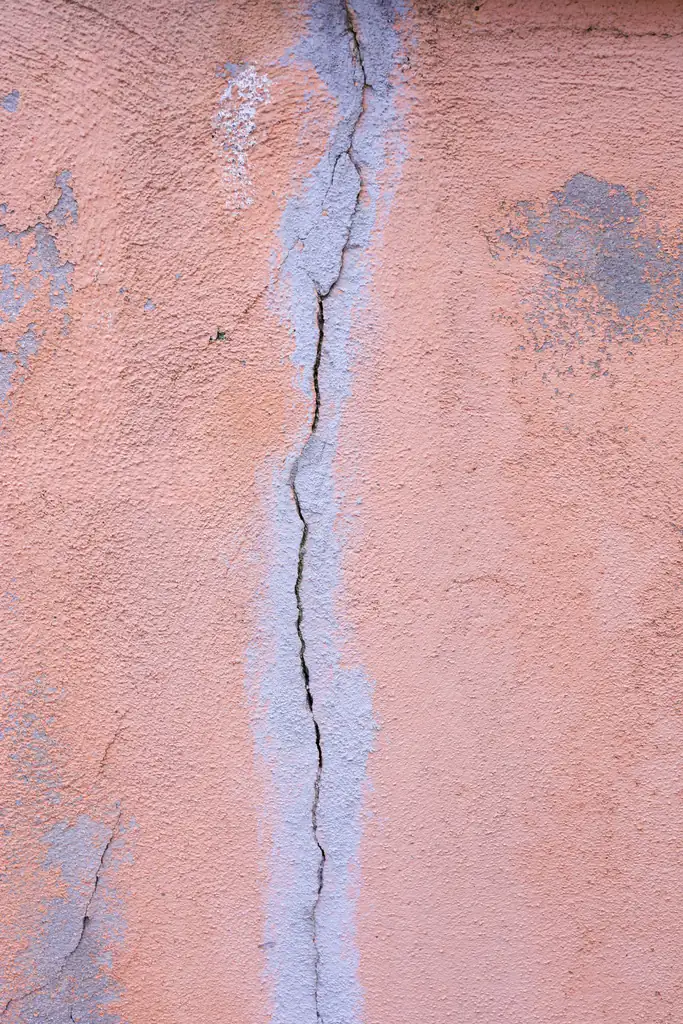
A specific crack gives water a direct path. You see a clear entry line and a wet trail leading down from it. This is the most contained version, because there is one identifiable route in. Foundation cracks and water covers how cracks form and when they matter beyond the water.
Sometimes water weeps through the general face of the wall rather than any single flaw, leaving a broad damp area that darkens after rain. This points to pressure against the whole wall rather than one weak point, and it is a broader problem than a single crack.
The joint where the wall meets the floor is a common entry point, because water under pressure collects at the base and pushes in where the two surfaces meet. Water appearing along the floor rather than high on the wall often points here. Basement floor vs wall leaks helps sort out where water is really entering.
| What you see | Likely cause | How to confirm |
|---|---|---|
| A clear wet line running down from one spot | Water entering through a crack | Trace the wet trail to its top; look for the crack |
| A broad damp area over the wall face | Pressure driving water through the surface | Note whether the damp area is wide, not a single line |
| Water appearing along the base, at the floor | Entry at the cove joint | Check whether water shows at the wall-floor seam |
| Water only after heavy or prolonged rain | Exterior soil saturating and building pressure | Note the timing against significant rain |
| Damp with no rain, pipes nearby | Possibly condensation or plumbing, not infiltration | Rule out non-rain sources before assuming pressure |
Two observations carry the diagnosis. Find where the water emerges: one line points to a crack, a wide damp area to surface pressure, and water at the base to the cove joint. Note the timing: water that appears only after heavy rain, and dries between storms, is the signature of exterior water saturating the soil and building pressure — not a plumbing leak or condensation, which do not follow the rain. Together these tell you both the entry point and the underlying cause.
The instinct is to fix the wall where the water appears, but that is the last point in a chain that starts outside. By the time water is coming through the concrete, the soil around the foundation is already saturated and under pressure. Sealing the inside treats the exit without touching the cause, and water under pressure tends to find another path. The durable fixes work upstream — keeping rain from saturating the soil against the foundation in the first place — which is why diagnosis looks outward, not just at the wet spot.
The short version: water comes through a wall because saturated soil outside is pushing it through the concrete, under pressure, through a crack, or at the floor joint. Find where the water emerges, note that it follows heavy rain, and look outward for the cause. Reduce the water reaching the foundation, address the specific entry point, and treat interior sealing as a supplement rather than the fix. The wall is where you see the problem, but outside is where you solve it.
FAQ
Because the soil outside the wall is saturated and pushing moisture through the concrete. When rain fills the ground around the foundation faster than it can drain, that water builds pressure against the wall and finds its way through — through pores in the concrete, through a crack, or at a weak point like a pipe penetration or a cove joint. Concrete is not fully waterproof, so under enough pressure water moves through it. The wall is simply where the water shows up. The real cause is almost always that water is not being kept away from the outside of the foundation.
It is worth treating seriously, because it means water is under enough pressure outside to move through the foundation, and that condition tends to recur and can worsen. Beyond the immediate wet wall and the damage moisture does inside, sustained water and pressure against a foundation are not something to leave unaddressed. That said, seriousness depends on the cause and extent — a minor damp patch in one storm is different from water flowing in during every rain. Either way, the appearance of water through the wall is a signal to find and address the source rather than wait.
Hydrostatic pressure is the pressure that saturated soil and standing groundwater exert against anything below grade, including a foundation wall and floor. When the soil around the foundation fills with water, that water pushes in every direction, including against the wall. Concrete has tiny pores and, over time, cracks, and under enough pressure water is forced through them. It is the same reason a deeper part of a pool presses harder on its walls. Reducing that pressure — by keeping water from saturating the soil in the first place — is the core of most durable fixes.
Both happen, and telling them apart guides the fix. Water through a specific crack shows a clear entry line and a wet trail from it, and is a more contained problem. Water weeping through the general surface of the wall, or seeping in along the joint where the wall meets the floor, points to broader pressure against the whole wall rather than a single flaw. Looking closely at where the water actually emerges — one line versus a wide damp area or the floor joint — tells you which version you are dealing with before you choose how to respond.
Interior sealers can help in limited situations, but they treat the symptom at the last possible point and do not remove the pressure driving water against the wall from outside. When soil is saturated and pushing, water tends to find another path or work behind the sealer. The more reliable approach is to reduce the water and pressure on the outside of the foundation — through drainage and grading — so less water reaches the wall at all. Sealing may be part of a solution, but relying on it alone, while water keeps saturating the soil outside, usually disappoints.
Because it takes saturated soil to build the pressure that pushes water through. In dry conditions the ground around the foundation is not full of water, so there is little pressure and the wall stays dry. Heavy or prolonged rain fills that soil, pressure rises, and water is driven through the concrete. The pattern of water appearing only after significant rain is itself a strong clue that the cause is exterior water and drainage — the ground filling up — rather than a plumbing leak or condensation, which do not follow the rain in the same way.
Call a professional when water enters regularly, when it involves structural cracks, when the fix points to exterior foundation drainage or waterproofing, or when you cannot trace where the water is getting in. You can do the diagnostics yourself — noting the after-rain pattern, finding where the water emerges, and checking drainage and grading around the house. But addressing hydrostatic pressure and foundation entry points often means exterior excavation, drainage systems, or crack repair, which are involved projects where a professional assessment of soil, water, and structure is worth the cost.
Keep reading
A basement smells musty after rain because moisture is getting in and feeding mold and mildew. The smell is a symptom of a water or humidity problem — find the source before masking it.
A sump pump keeps running when it faces more water than usual or cannot shut off — from a high water table, backflow, a stuck switch, or a discharge fault. Find out which before it burns out.
Water pools at a downspout when it dumps more water than the ground can take right there — from short discharge, flat soil, or a blocked line. Diagnose the cause before adding drainage.