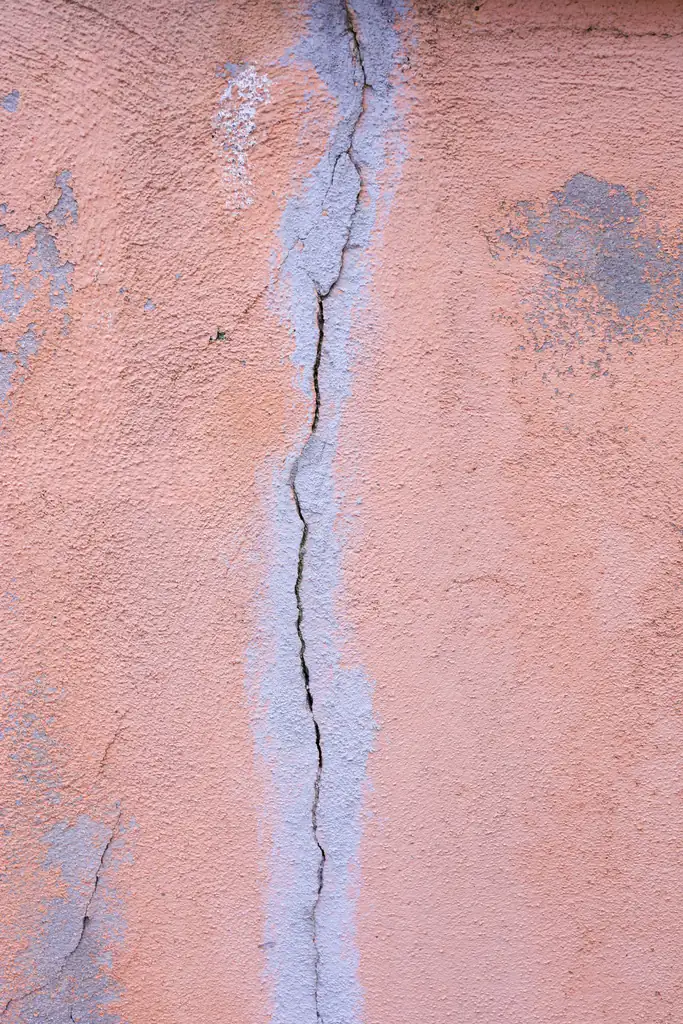
Peeling Paint and Stains Below Gutters
Peeling paint and dark stains below a gutter are moisture marks. Read the pattern, trace the water above, and fix the source, not the paint.
Problem–Solution Hub
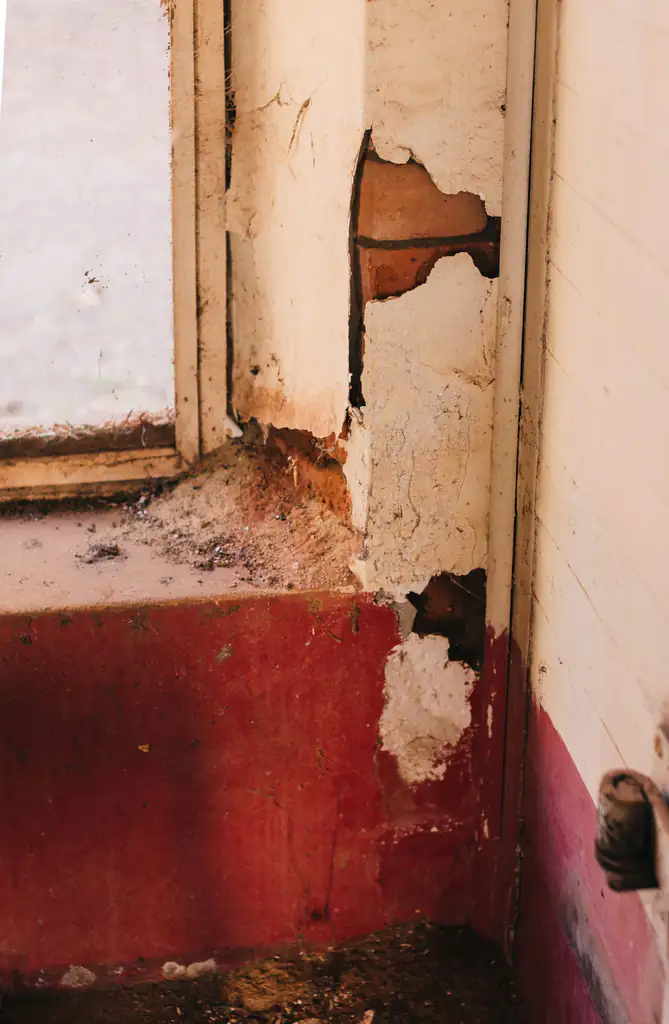
A ceiling stain that appears after rain points to water getting through the roof — a failed flashing, a clogged valley, an ice dam, or a leak — traveling along framing before it drips. Because the leak is rarely right above the stain, tracing it is roofer work.
A brown ring spreading across the ceiling after a storm is one of those sights that makes a homeowner’s stomach drop. The short answer to what it means is straightforward: water is getting through the roof and reaching the ceiling below. A failed flashing, a clogged valley, an ice dam, or a breach in the roofing has let water in, and that water has traveled along the framing before finally dripping and leaving its mark. The complication — and the reason this is roofer work — is that the leak is rarely right above the stain. Tracing it back to where the water actually enters takes experience and roof access.
The stain itself is dried evidence. Drywall or plaster gets wetted from above, then dries, leaving behind the mineral and dirt marks that show up as a brown or yellowish ring or blotch. The timing is the important part. Because it appears or grows after rain, it ties directly to water entering from outside — not a plumbing leak, not condensation. Something in the roof system is letting rain in.
That “something” is a short list of usual suspects, and knowing them helps frame the conversation with a professional even though the fix is theirs to make.
Flashing is the metal that seals the joints where a roof meets something else — a chimney, a wall, a valley, a vent or pipe penetration. Those seams are the most vulnerable points on a roof, and flashing exists to keep water out of them. When flashing fails, corrodes, lifts, or was never right, water gets in at exactly the spots most likely to leak. Flashing problems are among the most common sources of a ceiling stain. The role flashing plays at a wall-to-roof junction is explained in what is kickout flashing.
A valley is where two roof planes meet and shed their combined water. It carries a lot of flow, and if it clogs with debris, water can back up, spread sideways, and work its way under the roofing rather than running off. That intrusion then travels inside.
In cold climates, snow on the roof melts, runs down to the cold edge, and refreezes into a ridge of ice. That dam traps meltwater behind it, and the pooled water backs up under the shingles and into the structure. A ceiling stain that shows up in winter, especially near an exterior wall, often traces to this. How the freeze-and-refreeze cycle builds is covered in how ice dams form.
Age, damage, or a lifted or missing shingle can simply give water a way through the roofing surface. Once through, it behaves like any other intrusion — landing on the deck and traveling until it drips.
Here is the part that trips people up. Water almost never falls straight down once it is inside a roof. After it gets through, it lands on the roof deck or the framing and follows those surfaces — running along a rafter, down a truss, across the top of the ceiling — until it reaches a low point or a seam where it finally drips. That drip point is where the stain forms, and it can sit well away from where the water actually entered.
This is exactly why a ceiling stain is a misleading map. The obvious instinct is to look at the roof directly above the mark, but the true entry point may be several feet away, higher up the slope, at a flashing or valley the stain gives no hint of. Chasing the spot above the stain is how homeowners end up with repeated failed patches while the leak carries on.
| Symptom | Likely source | Response |
|---|---|---|
| Stain near a chimney, wall, or roof penetration | Failed or missing flashing at the seam | Have a roofer inspect and reseal the flashing |
| Stain along a line where roof planes meet | Clogged or overwhelmed roof valley | Professional clearing and inspection of the valley |
| Stain appears in winter near an outer wall | Ice dam backing meltwater under the shingles | Address the ice dam and the roof heat behind it |
| Stain after a storm with no obvious junction nearby | Breach in the roofing surface itself | Roofer traces the entry point and repairs it |
| Stain not directly under any obvious roof feature | Water traveling along framing before dripping | Professional traces the path back to the source |
| Stain grows during rain or the ceiling sags | Active, ongoing leak wetting the structure | Act promptly; get a professional assessment |
The sources above are the common ones, not a diagnosis of your specific stain. Reading the stain's location and timing is a rough, homeowner-grade clue — enough to describe the problem to a professional, not enough to pinpoint the entry point yourself. Because the leak travels before it drips, confirming the true source takes tracing it back along its path, which is why this is a job to hand off rather than guess at.
Finding a roof leak means working backward along the path the water traveled — often up into the attic to spot wet framing and insulation, and onto the roof to locate where water actually gets in. That takes experience reading roofs, flashing, and framing, and it means working at height on the roof itself. A roofer can trace the leak to its source and address it safely, where guesswork from inside the living space tends to miss the real entry point.
Understanding how water is meant to move off a roof helps make sense of where it goes wrong; the basics are in how roof runoff works. But the tracing and the repair belong to a professional.
Do not go up on the roof to chase a leak. Work at height risks falls; if you lack safe access, hire a professional. A wet or icy roof is more slippery still, and the entry point is rarely where you would expect — reason enough to leave both the tracing and the repair to a roofer.
The short version: a ceiling stain after rain means water is getting through the roof and traveling along the framing before it drips, which is why the mark sits where it does and not above the actual leak. The likely sources — flashing, a valley, an ice dam, a breach in the roofing — all share that misleading path. Note when the stain appears, resist the urge to just paint over it, and bring in a roofer to trace and fix the source. Tracing a roof leak, and working on the roof to repair it, is professional work.
FAQ
It means water is getting through the roof and reaching the ceiling below. The stain — usually a brown or yellowish ring or blotch — is drywall or plaster that has been wetted from above and dried, leaving mineral and dirt marks behind. The fact that it appears or grows after rain ties it directly to water entering from outside rather than a plumbing leak or condensation. Something in the roof system is letting water in: a failed flashing, a clogged valley, an ice dam, or a breach in the roofing itself.
Because water rarely falls straight down once it is inside a roof. After it gets through, it lands on the roof deck or framing and follows those surfaces — running along a rafter, down a truss, across the top of the ceiling — until it reaches a low point or a seam where it finally drips. That drip point is where the stain forms, and it can be well away from where the water actually entered. This travel is exactly why tracing a roof leak is difficult and why the stain's location can be misleading.
Painting over the stain hides the mark but does nothing about the water that caused it. If the leak is still active, the stain will return with the next rain, and in the meantime water is continuing to wet the framing and insulation above, where it can lead to rot and mold you cannot see. The right order is to find and fix the source first, confirm it is dry through a few rains, and only then deal with the cosmetic stain. A stain that keeps coming back is the roof telling you the leak is unresolved.
A few come up repeatedly. Failed or missing flashing — the metal that seals joints around chimneys, walls, valleys, and roof penetrations — is a frequent culprit, since flashing seals the vulnerable seams where roof planes meet. A clogged roof valley can overwhelm and let water under the roofing. In cold climates, an ice dam backs meltwater up under the shingles. And any breach in the roofing itself, from damage or age, lets water through. All of them let water in somewhere and let it travel before it drips.
It is not usually an immediate emergency, but it is not something to ignore either. Active roof leaks keep wetting the structure and insulation above the ceiling, and sustained moisture invites rot and mold over time. A stain that grows during a storm, active dripping, or a sagging ceiling are signs to act promptly. Even a small, stable stain means water got in and should be traced and fixed. The urgency rises with how much water is coming through and how long it has been happening.
Because the water's entry point is rarely above the stain, finding it means working back along the path the water traveled — often into the attic and onto the roof — to locate where it actually gets in. That takes experience reading roofs, flashing, and framing, and it involves working at height on the roof itself. A roofer can trace the leak to its source and address it safely, where guesswork from inside the house tends to miss the real entry point and lead to repeated failed patches.
Safely, from inside and from the ground, you can gather information. Note when the stain appears and whether it grows during rain, which helps connect it to the weather. If you can access the attic safely, looking for wet framing or insulation above the stain can hint at the water's path, though the entry point is usually higher up. From the ground you might spot obvious clues like a clogged valley or, in winter, ice building at the edge. But the tracing and the roof work itself belong to a professional.
Keep reading
Peeling paint and dark stains below a gutter are moisture marks. Read the pattern, trace the water above, and fix the source, not the paint.
Gutters leak at the seams because joints between sections are the weak points where sealant fails and water pools. Reseal sound joints and fix why water sits at the seam.
A sump pump keeps running when it faces more water than usual or cannot shut off — from a high water table, backflow, a stuck switch, or a discharge fault. Find out which before it burns out.