Open vs Closed Roof Valley
Open vs closed roof valley, explained. How each handles heavy runoff, debris and durability, and why both still concentrate water on the gutter below.
Roof Runoff
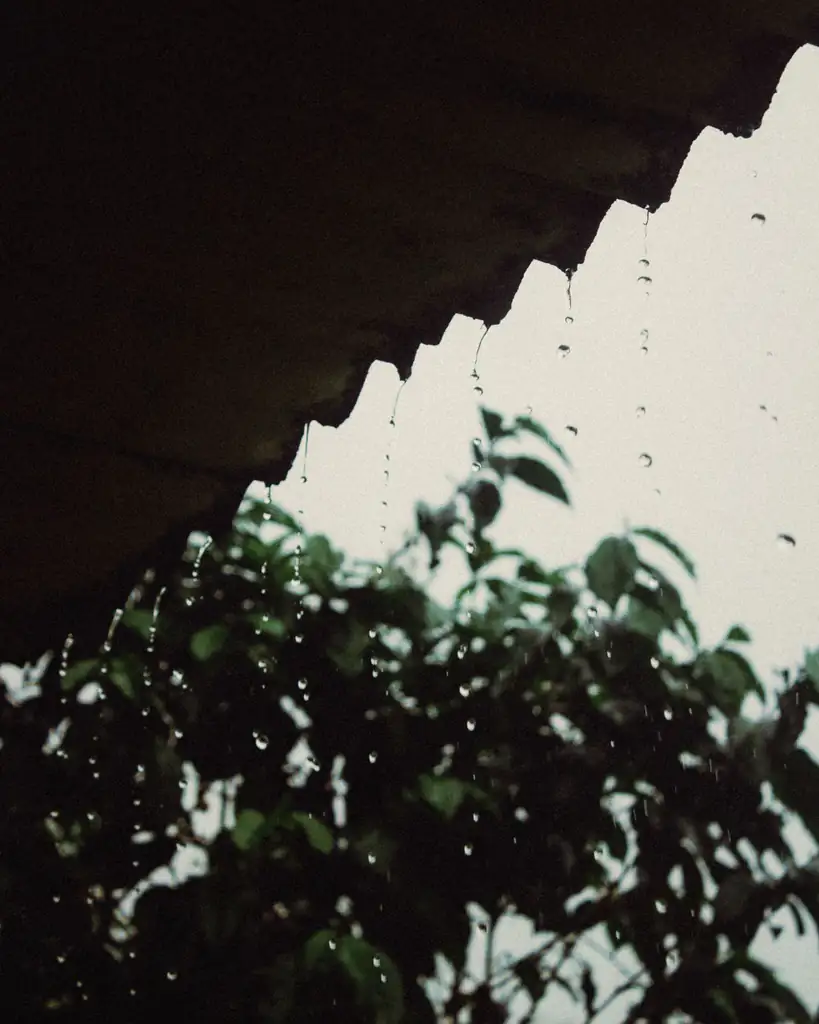
Roof runoff is the water your roof collects and concentrates before it ever reaches a gutter. Roof area, slope and valleys decide how much water arrives and how fast; the roof edge — drip edge, fascia and soffit — decides whether it lands in the gutter cleanly.
Roof runoff is simply the water your roof collects and concentrates before it ever reaches a gutter. The roof gathers rain or snowmelt across a large surface, funnels it down its slopes and valleys, and hands it off at the edge as a fast-moving sheet. How much water arrives and how fast is decided up on the roof — long before the gutter has a say. Understanding that handoff is the key to every drainage decision that follows.
Most homeowners think about gutters and downspouts and forget the roof that feeds them. But a gutter can only manage the water the roof delivers. If you understand roof runoff — where it gathers, where it speeds up, and where it concentrates — the behavior of your whole drainage system suddenly makes sense, and so do the problems.
A roof is a large, sloped, waterproof surface. That is the whole point of it. But being waterproof means it lets almost nothing soak in — nearly every drop that lands on it becomes runoff and heads for the edge. A modest roof can shed hundreds of gallons during a single heavy storm, all of it gathered from a wide area and squeezed into a thin channel at the eave.
This is the part people miss: the gutter is not the beginning of the story. It is a catcher standing at the bottom of a slide, and the roof decides how hard the ball is thrown. When gutters overflow, run behind, or dump water at one corner, the cause is often up on the roof, not in the trough. This is why how gutters work makes much more sense once you understand what the roof is handing them.
Think of the roof and gutter as one system with a handoff in the middle. The roof concentrates water; the edge passes it to the trough; the trough carries it to a downspout. A weak link anywhere shows up as a problem somewhere downstream.
The single biggest factor in how much water reaches your gutters is the roof area draining to a given run. This is the “drainage area” — the patch of roof whose water all funnels toward the same edge. A larger drainage area simply means more water.
It is easy to underestimate this. A roof that looks average from the street can drain a surprising footprint toward one eave, especially on homes where several roof planes tip toward the same side. Every square foot of roof adds to the volume that one length of gutter has to catch and move.
The practical takeaway: bigger roofs, and roofs that concentrate more area onto fewer edges, need more gutter and downspout capacity — not because the gutters are weak, but because the water supply is larger. Volume is a roof property first and a gutter property second.
If area decides how much water arrives, slope decides how fast. A steep roof does not necessarily collect more water than a shallow roof of the same footprint, but it moves that water toward the eave quickly and with momentum. By the time runoff reaches the edge of a steep roof, it is traveling fast enough that it can shoot past the gutter entirely rather than dropping neatly into it.
Shallow roofs behave differently. Water moves slowly, arrives gently, and is easier for a gutter to catch — but it also lingers on the surface longer, which matters for debris and moss. Neither is inherently better; they simply hand off water in different ways.
Slope and speed are why “my gutters are clean but water still misses them” is such a common complaint. The trough may be fine. The roof is just throwing water faster than that section can grab it.
The most concentrated runoff on any roof happens in the valleys — the lines where two roof planes meet and slope inward. A valley collects water from both planes and funnels it into a single, high-volume stream. Where that valley reaches the eave, you get far more water hitting one short stretch of gutter than anywhere else on the house.
This is why so many overflow and overshoot problems happen at one specific spot. A valley outlet can deliver several times the flow of a plain run of eave, all landing on a few feet of trough. If a downspout is not positioned to receive that concentrated stream, water sheets over the front lip or blasts past the gutter in a downpour.
When you walk your roofline, the valleys are the places to watch during rain. They are the roof’s natural funnels, and they set the peak demand your gutters and downspouts have to meet.
Once runoff reaches the edge, a few small parts decide whether it lands in the gutter cleanly or causes trouble.
When this handoff fails, the classic symptom is water running behind the gutter — a problem that quietly rots fascia and soffit even when the gutter itself looks fine. The trough can be perfectly sized and sloped, but if the edge hands water off badly, none of that matters.
Roof runoff does not behave the same in every season.
Heavy rain is a peak-capacity test. It arrives all at once, hits the roof’s valleys and steep planes, and demands that the gutters and downspouts handle their maximum flow in a short window. This is when undersized systems overflow.
Snowmelt is slower but sneakier. Water trickles down the roof gradually, but at the cold eave it can refreeze into an ice dam that blocks runoff entirely and forces meltwater back up under the shingles. A roof that sheds a summer downpour without complaint can still trap winter meltwater — the mechanics are different, and worth understanding separately in how ice dams form.
A clean roof sheds water in a smooth, predictable sheet. A dirty one does not. Leaf piles, roof grit, moss and algae all interrupt the flow — slowing water, holding moisture against the surface, and diverting runoff sideways into places it was never meant to go.
Debris that collects in valleys is especially disruptive, because it partially dams the roof’s busiest channels and can push concentrated water over the edge in the wrong spot. Moss and algae hold dampness that shortens roofing life and, on shallow roofs, keeps the surface wet long after the rain stops. Roof debris is not just a roof problem; it changes how, and where, runoff arrives at your gutters.
| Factor | Effect on runoff |
|---|---|
| Roof area (drainage area) | More area draining to a run means more total water volume |
| Slope / pitch | Steeper roofs deliver water faster and with more force |
| Valleys | Concentrate flow from two planes into one high-volume stream |
| Drip edge | Guides water cleanly into the trough instead of behind it |
| Fascia and soffit | The mounting and overhang surfaces that fail when the handoff goes wrong |
| Heavy rain | Tests peak capacity; all the water arrives at once |
| Snowmelt | Gradual flow that can refreeze at the eave and form ice dams |
| Debris, moss, algae | Slow and divert runoff, channeling it unevenly |
Everything above is why sizing is a roof question, not just a gutter question. You size gutters and downspouts to the water the roof delivers: the drainage area feeding each run, the pitch that sets its speed, and the valleys that spike flow at specific points.
That is why a big or steep roof, or one with valleys dumping onto a short eave, often needs larger downspouts or more of them rather than simply a wider trough. Matching the outlet to the concentrated flow is the heart of downspout sizing and types. Get the roof’s demand right first, and the rest of the system has a fighting chance.
Roof runoff is the demand side of your drainage system. The roof decides how much water shows up, how fast, and where it concentrates; the gutter, downspout and the ground beyond only respond to that. Walk the water’s path from the ridge down — across the planes, through the valleys, over the drip edge, into the trough — and most drainage problems point back to a specific spot on the roof, not a flaw in the gutter hanging beneath it.
FAQ
Roof runoff is all the rain or snowmelt that lands on your roof and flows across its surface toward the edge. A roof does not let water soak in the way soil does, so nearly everything that falls on it becomes runoff. Your roof gathers that water from a large area and concentrates it into a fast-moving sheet at the eave, which is exactly what the gutter has to catch.
A steeper roof does not necessarily collect more total water than a shallow roof of the same footprint, but it delivers that water faster and with more force. Steep pitches move runoff toward the eave quickly, so the sheet of water arriving at the gutter is faster and can overshoot the trough. Slope drives speed; roof area drives total volume.
That corner is almost always fed by a valley — the line where two roof planes meet. Valleys act like funnels, gathering runoff from both planes and channeling it into a single concentrated stream. Where that valley reaches the eave, a large volume of fast water arrives at one short section of gutter, which is why it overflows or overshoots there while the rest of the run stays fine.
A drip edge is a metal flashing along the roof edge that guides runoff off the roof and into the gutter instead of letting it curl back under the shingles. Without it, or with it installed wrong, water can run behind the trough and down the fascia. The drip edge is the small handoff detail that decides whether concentrated runoff actually lands in the gutter.
Yes. Rain arrives all at once and tests the roof and gutter for peak capacity. Snowmelt is slower and more gradual, but it can refreeze at the cold eave and form ice dams that block runoff entirely. The same roof can shed a downpour fine and still trap meltwater in winter, so the two are worth thinking about separately.
They can. Moss, algae, leaf piles and roof grit slow water down, hold moisture against the surface, and can divert runoff sideways into places it was not meant to go. A clean roof sheds water in a predictable sheet; a debris-covered roof channels it unevenly and can push water under shingles or over the gutter's edge.
Not always. If the trough is clean, correctly sloped and the right size, water sailing past it usually means the roof is delivering more or faster water than that section can catch — often at a valley outlet — or the roof edge is handing water off badly. Fixing the gutter alone will not help if the real issue is where and how the roof concentrates its runoff.
Keep reading
Open vs closed roof valley, explained. How each handles heavy runoff, debris and durability, and why both still concentrate water on the gutter below.
A drip edge is the metal flashing that guides roof runoff into the gutter and off the fascia. Learn what it does, where it goes, and whether you need one.
Water pouring off a roof valley? Here are the common valley runoff problems, why they happen, and the fixes for overshoot, erosion and behind-gutter water.