Hip Roof vs Gable Roof Runoff
Hip vs gable roof runoff, compared. How each roof shape sheds water, where it concentrates, and what that means for gutter placement and capacity.
Roof Runoff
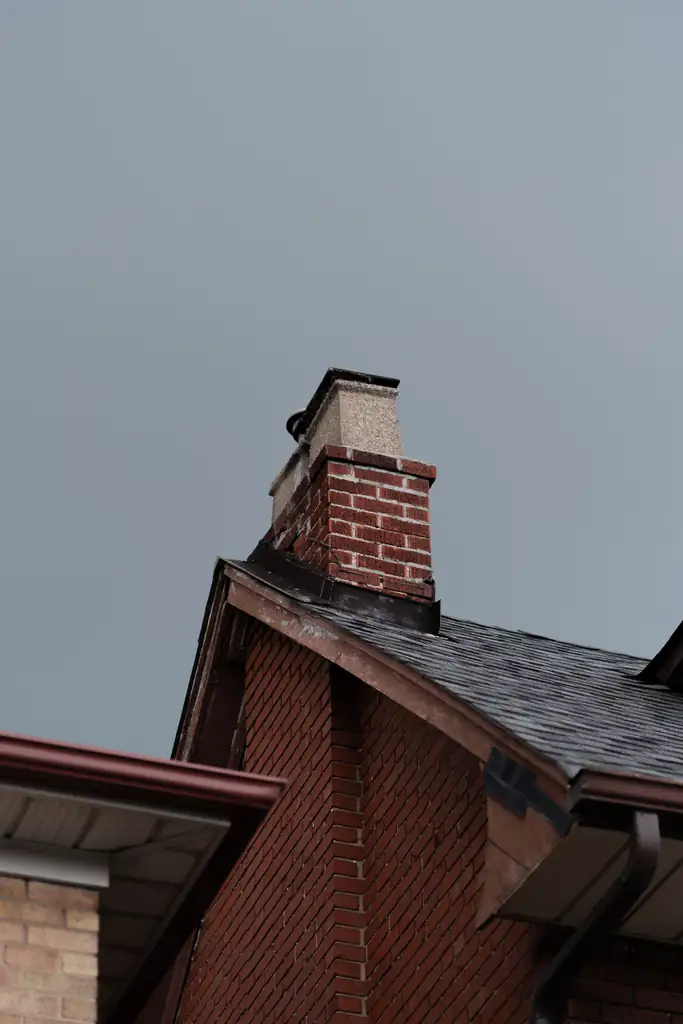
Moss and algae grow on damp, shaded roofs and along the paths water runs. Beyond looks, moss holds moisture against shingles and can lift them; the black streaks are usually algae. Gentle, low-pressure treatment beats pressure washing, which damages the roof.
Moss and algae take hold on roofs that stay damp and shaded, and along the paths where water runs off. Beyond the way they look, moss actively holds moisture against your shingles and can lift them, while those dark streaks you see are usually algae. The safe way to deal with both is gentle, low-pressure treatment, because pressure washing does real damage to a roof.
Both organisms want the same thing: moisture and shade. They colonize the parts of a roof that stay wet longest and see the least sun. That is why growth so often shows up on the north-facing slope, under the shadow of overhanging trees, or along the lower edges where runoff lingers before reaching the gutter.
Runoff paths matter here. Water does not sheet off a roof perfectly evenly; it tends to follow the same channels storm after storm. Those channels stay damp longer, and moss and algae move in along them. Understanding those paths is part of understanding how roof runoff works.
People lump these together, but they are different problems with different stakes.
| Trait | Moss | Algae |
|---|---|---|
| Appearance | Thick, green, clumpy, plant-like | Thin dark black or gray streaks |
| Holds water | Yes, like a sponge | Not significantly |
| Physical damage | Can lift and separate shingles | Mostly cosmetic early on |
| Favorite spot | Shaded, damp, poor airflow | Broad roof faces, often streaking downward |
Moss is the thick green stuff that builds up in cushiony clumps, usually along shingle edges and in the shadiest spots. Because it holds water like a sponge, it is the more damaging of the two.
Algae shows up as those dark streaks that run down a roof, often making a home look older and dirtier than it is. Early on it is largely a cosmetic issue, though it can spread across large areas if ignored for years.
Moss is the one to watch. As it grows, it can wedge under the edges of shingles and hold moisture against them. Over time that trapped dampness can lift shingles, work into the seams, and shorten the life of the roof. Because moss keeps the surface wet, it also keeps the underlying materials from drying out the way they should between rains.
Algae is gentler on the roof structure but should not be dismissed. Widespread streaking is a sign the roof is staying damp, and the same conditions that feed algae can eventually invite moss.
How fast growth causes damage depends on climate, shade, roof material, and how long it is left untreated, so timelines vary a lot from home to home. Catching moss early, before it thickens, generally makes treatment easier and gentler.
The single most important rule is to be gentle. It is tempting to blast moss off with a pressure washer, but that is one of the fastest ways to ruin a roof.
Never pressure wash a roof, and be extremely cautious about climbing on one. High pressure strips the protective granules off shingles and can drive water underneath them, causing leaks and premature failure. Roofs are also slippery and high; falls are a serious hazard. Low-pressure or soft-wash methods, ideally done by a professional with fall protection, are the safe route.
Soft washing uses low pressure and gentle treatment rather than force to loosen and clear growth. Because it does not rely on brute pressure, it clears the roof without scouring off the granules that protect the shingles. To understand the difference between the two approaches in general, see power washing versus soft washing.
Cleaning is only half the battle; the conditions that grew the moss are still there. Prevention is about making the roof drier and brighter.
A roof that dries quickly after rain is a roof that resists moss and algae.
Moss and algae are your roof telling you it stays wet and shaded too long. Moss is the real threat, because it holds water against the shingles and can lift them; algae is mostly a cosmetic warning sign. Treat both gently with low-pressure methods, never a pressure washer, and then fix the shade and moisture that let them grow. A drier, sunnier, well-drained roof is the best long-term defense.
FAQ
Moss is a thick, green, plant-like growth that builds up in clumps and holds water. Algae is thinner and usually shows up as dark black or gray streaks running down the roof. Moss causes more physical damage; algae is mostly cosmetic at first.
Moss favors damp, shaded areas with poor airflow, often the north-facing slope or spots under overhanging trees. Anywhere water lingers and sun rarely reaches is prime moss territory.
The black streaks are usually algae and are mostly a cosmetic problem early on. Left alone for a long time they can spread widely, but they do not lift shingles the way moss can.
You should not. High pressure strips the protective granules off shingles and can force water under them, causing more harm than the moss. Gentle, low-pressure or soft-wash methods are far safer.
Improve sunlight and airflow by trimming overhanging branches, keep the roof and gutters clear of debris, and address anything that keeps the roof damp. Drier, brighter roofs resist regrowth.
Yes. As moss grows it can wedge under the edges of shingles and hold moisture against them, which over time can lift them and shorten their life.
Getting on a roof is hazardous, and doing it wrong can damage shingles or injure you. Many homeowners are better off hiring a professional who uses low-pressure methods and proper safety gear.
Keep reading
Hip vs gable roof runoff, compared. How each roof shape sheds water, where it concentrates, and what that means for gutter placement and capacity.
Open vs closed roof valley, explained. How each handles heavy runoff, debris and durability, and why both still concentrate water on the gutter below.
Roof runoff concentrates rain onto a few points that can erode beds and drown plants — or feed them. Learn how to work with runoff in your landscaping.