Sump Pump Backup Options
Sump pump backup options compared — battery backups and water-powered backups, their runtime and cost trade-offs, plus how to keep the backup itself ready.
Sump Pumps & Interior Drainage
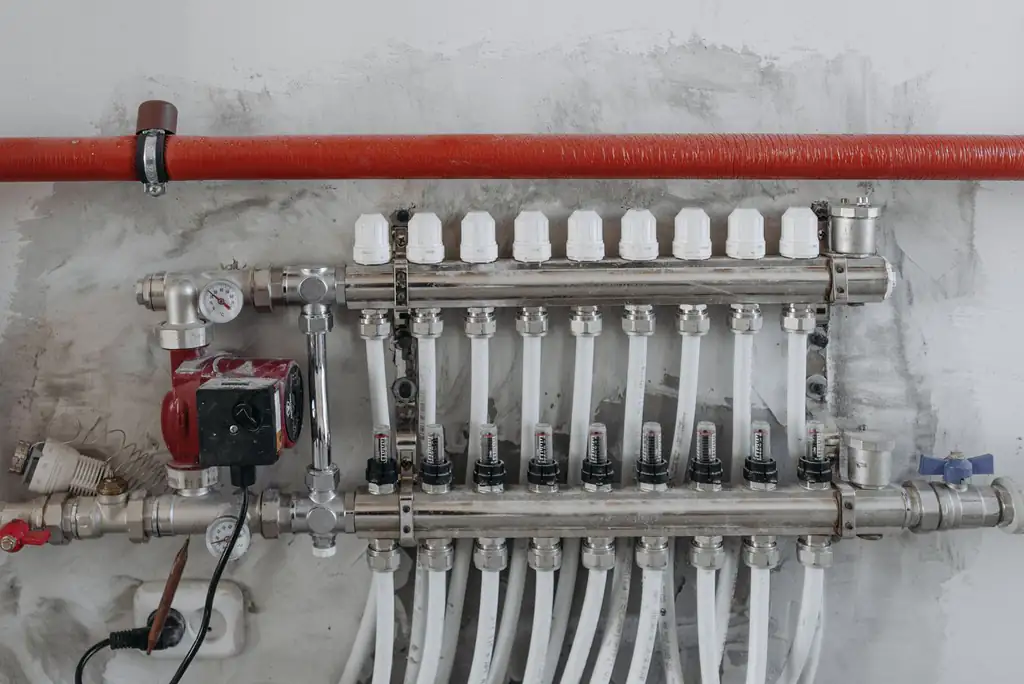
A battery backup sump pump kicks in when the power fails — exactly when storms flood basements. It buys hours of pumping on a charged battery; runtime depends on battery size and how hard it rains, so it is insurance, not unlimited protection.
A battery backup sump pump is a second pump, with its own power source, that takes over when your main pump cannot run — most often during a storm-caused power outage. It gives you hours of pumping on a charged battery, but that runtime is finite and depends on the battery and the weather, so think of it as insurance rather than unlimited protection.
The cruel logic of basement flooding is that the heaviest rain and the power outage often arrive together. A wind or ice storm knocks out the grid, and at the very moment the water table is rising, your primary pump goes dark. A battery backup exists for exactly this window.
It also covers a second failure mode: the primary pump itself quitting — a stuck float, a burned-out motor, or a jammed impeller — even when the power is on. Many backup controllers will run the backup pump if the primary fails to clear the pit, not only when the lights go out.
If you are still getting oriented on the basics, our overview of how a sump pump works covers the pit, float, and discharge before you add a second pump on top. And a battery backup is only one of several strategies — see the broader comparison in sump pump backup options.
A typical system adds these parts to your existing setup:
During normal operation, the primary pump handles everything and the battery simply stays charged. When the power fails or the water climbs above the backup float, the controller powers the second pump from the battery. Most controllers include an alarm that sounds when the backup activates, so you know something is wrong even if the basement looks fine.
A battery backup complements a healthy exterior drainage plan — grading, gutters, and downspouts that move water away from the foundation. It does not replace them. A sump system of any kind is the last line of defense, not the first.
The single most common misunderstanding is treating the advertised runtime as a fixed promise. In reality, how long a backup pump keeps up depends on several moving parts.
| Factor | Effect on runtime |
|---|---|
| Battery capacity (amp-hours) | Larger capacity generally means longer pumping before the battery is drained |
| Inflow rate (how hard it is raining) | Heavy, continuous water means the pump cycles more often and drains the battery faster |
| Pump efficiency and lift height | A pump working against a higher discharge lift draws more energy per gallon |
| Battery age and condition | An older or poorly maintained battery holds less charge than its rating suggests |
| Temperature | Cold batteries deliver less usable capacity |
Because these interact, a system that pumps intermittently for a full day in a light drizzle might last only a few hours in a downpour. Manufacturers publish estimates under specific test conditions; your basement is not the test bench. Plan for the demanding case, not the advertised one.
A backup system that fails when called is worse than no system, because it breeds false confidence. Battery care is the part owners most often neglect.
Our guide to sump pump maintenance and testing walks through a repeatable routine you can fold the battery check into.
Electrical safety. Batteries store real energy and can arc or vent gas if mishandled, and any new outlet, circuit, or wiring for the charger should be installed by a licensed electrician. Do not run a backup charger from an extension cord or a non-grounded outlet, and keep water and battery terminals apart.
A battery backup sump pump is one of the most reliable ways to keep pumping when the grid fails, and it can also cover a dead primary pump. Its value is real but bounded: runtime depends on the battery and the storm, and the whole thing only works if the battery is maintained and tested. Size it for a demanding night, keep the battery healthy, and treat it as the backstop behind good drainage — not a substitute for it.
FAQ
No. It is a second pump that runs only when the primary pump cannot — usually during a power outage or if the main pump fails. Your primary pump still does the everyday work, and the backup sits idle until it is needed.
It depends on the battery's capacity and how much water is coming in. A charged battery may pump intermittently for several hours to a day or more in light conditions, but heavy, continuous inflow drains it much faster. Treat any single number you see as a rough estimate, not a guarantee.
Most systems use a deep-cycle battery, commonly a sealed AGM type designed for repeated discharge. Some use flooded lead-acid batteries that need occasional topping off. The charger and controller are matched to the battery, so follow the manufacturer's specification rather than mixing parts.
Backup batteries wear out even if they are rarely used. Many owners plan on replacement every few years, but the right interval depends on the battery type, temperature, and how often it cycles. Test the system periodically and watch for a controller that flags a weak battery.
Some homeowners handle the pump and battery portion, but any new electrical circuit, wiring, or dedicated outlet should be done by a licensed electrician, and plumbing connections may fall under local code. When in doubt, hire a pro.
Neither is universally better. Battery systems work on any water source but need battery maintenance and have limited runtime. Water-powered systems need no battery but only work on municipal water and use a lot of it. The right choice depends on your home.
Keep reading
Sump pump backup options compared — battery backups and water-powered backups, their runtime and cost trade-offs, plus how to keep the backup itself ready.
How to replace a sump pump step by step — choosing a matched replacement, disconnecting the old one safely, setting the new pump, and testing before you rely on it.
How a sump pump works in a crawl space — when you need one, how it pairs with a vapor barrier, access and maintenance challenges, and what it does and doesn't fix.