Sump Pump vs French Drain
Sump pump vs french drain compared — how each moves water, where gravity runs out, cost and maintenance trade-offs, and why the two often work together.
Sump Pumps & Interior Drainage
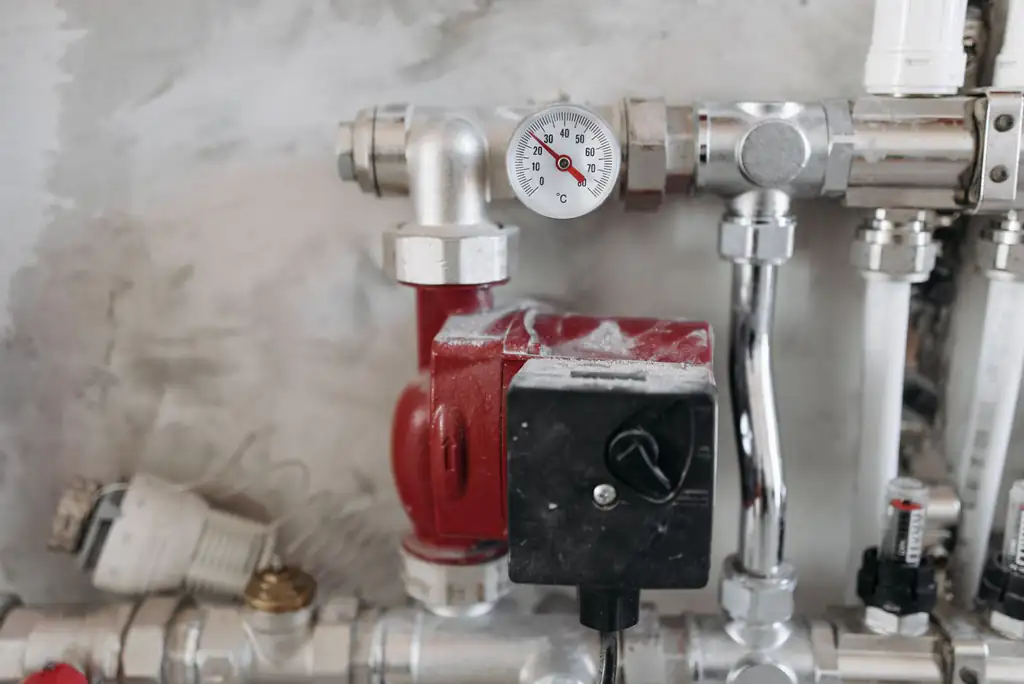
A crawl space sump pump works the same way a basement one does — a pit collects water and a pump lifts it out — but the tight, often unfinished space changes the practical details: access for service, keeping the pit sealed against ground moisture, and pairing the pump with a vapor barrier so you're managing humidity, not just standing water.
A sump pump in a crawl space does the same core job it does in a basement: a pit collects water that reaches the low point, and a pump lifts it up and out of the building. What changes is the setting. A crawl space is tight, often has a bare dirt floor, and is out of sight — so the practical concerns shift toward keeping the pit sealed against ground moisture, making the pump reachable for service, and pairing it with a vapor barrier so you’re controlling humidity, not just bailing out standing water. Get those right and a crawl space pump earns its keep; treat it as a set-and-forget box and it’s the first thing to fail unnoticed.
A sump pump answers a specific problem: liquid water collecting with nowhere to drain by gravity. So the first question is whether that’s actually what you have.
If water pools on the crawl-space floor after rain, or the ground stays saturated through wet seasons and there’s no downhill outlet, a pit and pump give that water somewhere to go. This is common where the crawl space sits low, the soil holds water, or the water table rises seasonally.
But if the real issue is dampness and humidity rather than standing water, a pump may not be the main answer. Soil vapor, poor exterior drainage, and condensation can leave a crawl space humid with no puddle in sight — and a pump has nothing to remove. In that case a vapor barrier and better drainage matter more. Diagnose which you have before installing anything; crawl space moisture basics walks through the difference.
The mechanics are identical — pit, float, pump, discharge — but three practical things change.
You can’t stand up in a crawl space. Installing the pump, cleaning the pit, and every future test or repair mean working in a low, cramped space, sometimes on your back in the dirt. This doesn’t alter how the pump works, but it makes maintenance a genuine chore, which is precisely why crawl space pumps get neglected. When one is installed, it’s worth planning for reasonable access to the pit.
A crawl space usually has a dirt or gravel floor and constant ground moisture. A sealed pit keeps soil moisture and debris from fouling the pump and helps keep the collected water contained rather than seeping back into the ground around it. For the pit itself, see sump pit and basin basics.
This is the big one. In a crawl space you’re fighting humidity from the soil, not just standing water. A vapor barrier laid over the floor blocks moisture that rises from the ground as vapor, while the sump pump handles liquid water that collects. The two solve different halves of the same problem, and in most crawl spaces they go in together.
A sump pump in a crawl space with no vapor barrier can empty the pit perfectly and still leave the space damp and musty — because most crawl-space moisture arrives as vapor from the soil, not as puddles. Think of the pump and the barrier as a pair: one removes water you can see, the other blocks moisture you can't.
| Factor | Basement | Crawl space |
|---|---|---|
| How the pump works | Pit, float, discharge | Identical |
| Access for service | Stand-up, easy | Low, cramped, often on your back |
| Floor | Concrete slab | Often bare dirt or gravel |
| Pit sealing | Standard | More important against ground moisture |
| Vapor barrier | Sometimes | Usually essential |
| Visibility | You notice problems | Out of sight, easy to neglect |
Exactly like a basement pump: outside and away from the foundation. The discharge line runs out through the crawl-space wall and carries water well clear of the house. It must never dump right next to the foundation, or the same water simply seeps back in and the pump cycles endlessly against its own discharge. Route it with the same care as any sump line — see where does a sump pump discharge.
A crawl space sump pump removes liquid water that collects in the pit. That’s real and valuable — standing water in a crawl space leads to wood decay, mold, musty odors, and problems that migrate up into the living space through the floor. Because a crawl space is out of sight, these issues often go unnoticed until they’re advanced, so managing the water matters even though nobody lives down there.
But a pump does not, on its own, control a moisture or humidity problem. Soil vapor, poor grading, failing gutters, and condensation all add moisture the pump can’t touch. Real crawl-space moisture control combines the pump with a vapor barrier, sound exterior drainage, and attention to whatever is driving the dampness. And as always, the first line of defense is outside: grading and downspouts that keep water away from the crawl space to begin with, covered in foundation grading basics.
Treat a crawl space sump pump as one piece of a moisture strategy — paired with a vapor barrier, backed by exterior drainage, and given the access it needs to actually get maintained — and it does its quiet job well out of sight.
FAQ
You might, if the crawl space takes on standing water or sits in wet ground with no way to drain it by gravity. If water pools on the crawl-space floor after rain or the ground stays saturated, a pit and pump give that water somewhere to go. But if the problem is dampness and humidity rather than standing water, a vapor barrier and better exterior drainage may matter more than a pump. Match the fix to whether you actually have liquid water collecting.
The pump and pit work the same way, but the space changes the details. A crawl space is tight and often has a dirt floor, which makes installing and servicing the pump harder and makes sealing the pit against ground moisture more important. It's also usually paired with a vapor barrier, because in a crawl space you're managing humidity from the soil as much as any standing water.
In most cases, yes — they solve different halves of the problem. The sump pump removes liquid water that collects, while a vapor barrier over the crawl-space floor blocks moisture that wafts up from the soil as vapor. A pump alone can leave a crawl space damp and humid even with no standing water, so the two are usually installed together for a dry space.
Outside and away from the foundation, just like a basement pump — the discharge line runs out through the crawl-space wall and carries water well clear of the house. It should never dump right next to the foundation, or the same water just seeps back in. Route it the same careful way you would any sump discharge.
Because you can't stand up in a crawl space. Routine testing, cleaning the pit, and any repair mean working in a tight, low area, sometimes on your back in the dirt. That doesn't change how the pump works, but it does make maintenance more of a chore — which is exactly why crawl space pumps get neglected, so it's worth planning for reasonable access when one is installed.
Only the standing-water part of it. A sump pump removes liquid water that collects, but crawl-space moisture also comes from soil vapor, poor drainage, and sometimes condensation. Left on its own, a pump can empty the pit while the space stays humid. Real moisture control usually combines the pump with a vapor barrier, sound exterior drainage, and attention to what's driving the dampness.
Yes — it's worth taking seriously. Standing water and chronic dampness in a crawl space can lead to musty odors, wood decay, mold, and problems that migrate into the living space above through the floor. A crawl space is out of sight, so these issues often go unnoticed until they're advanced, which is why managing water there matters even though nobody lives in the space.
Keep reading
Sump pump vs french drain compared — how each moves water, where gravity runs out, cost and maintenance trade-offs, and why the two often work together.
Where should a sump pump discharge? Avoid the loop-back to the pit, mind grade and freezing, respect sewer-connection rules, and weigh daylight, dry well, and away-from-foundation options.
How to replace a sump pump step by step — choosing a matched replacement, disconnecting the old one safely, setting the new pump, and testing before you rely on it.