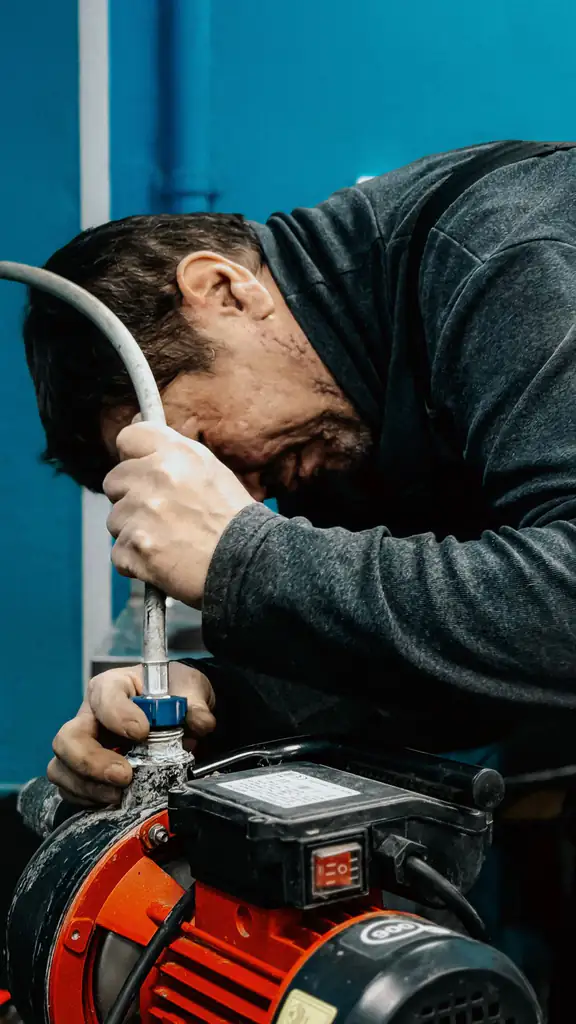
How to Replace a Sump Pump
How to replace a sump pump step by step — choosing a matched replacement, disconnecting the old one safely, setting the new pump, and testing before you rely on it.
Sump Pumps & Interior Drainage
Sump pumps typically last several years to about a decade, depending on how often they run, water quality, and build quality. Because they fail without warning and at the worst time, testing, a backup, and knowing the pump's age all matter.
Sump pumps generally last somewhere from a few years to about a decade, but there is no guaranteed number — how often the pump runs, how clean the water is, and how well it was built all move the figure. What makes lifespan worth thinking about is that pumps tend to fail suddenly, and often during the exact storm you were counting on them for. Testing, a backup, and simply knowing the pump’s age are what protect you.
It is tempting to want one clean number for how long a sump pump lasts. The honest answer is a range, because two identical pumps in two different basements can live very different lives. One might sit mostly idle in a dry region and outlast its neighbor; another might cycle hundreds of times a week under a high water table and wear out years sooner.
So treat published lifespan figures as rough guidance. The useful question is not “how long do they last on average” but “what is shortening or extending the life of my pump, and how old is it right now.”
A handful of factors do most of the aging.
| Factor | Effect on lifespan |
|---|---|
| Frequent cycling / constant running | Accelerates wear; fewer years of service |
| Dirty, gritty water | Abrades impeller, clogs intake, strains motor |
| Short-cycling switch | Many extra starts, hard on the motor |
| Build and motor quality | Higher grade generally lasts longer |
| Regular maintenance | Helps reach the upper end of realistic life |
Because failure often comes without much warning, catching the early signals is valuable. Watch for:
If you notice these, our sump pump not working troubleshooting guide helps you sort a fixable glitch from a pump that is genuinely at the end of its road. Some symptoms are cheap fixes; others are the pump telling you its time is up.
A long-lived pump is still just one component. Even a brand-new, perfectly healthy pump cannot compensate for water that pours toward the foundation because of poor grading or overflowing gutters. The sump complements exterior drainage; it never replaces it.
Here is the uncomfortable part: sump pumps rarely fail politely. They tend to quit under load, during heavy rain, which is precisely when a dead pump becomes a flooded basement. That timing is why knowing the pump’s age is worth the effort.
If you can find a date stamp on the housing, a receipt, or an installation record, you know roughly where the pump sits in its life. If you genuinely cannot tell and the pump is clearly old, many homeowners choose to replace it proactively rather than gamble on it surviving the next storm. Age alone is a defensible reason to act.
Two habits blunt the risk regardless of age:
Sump pumps last a few years to roughly a decade, with a wide spread driven by run frequency, water quality, and build quality. Rather than chase one magic number, do the three things that actually matter: know your pump’s age, test it regularly, and keep a backup so a sudden failure does not become a flood. An old pump that still runs is not proof of a long future — it is a reason to watch it closely and plan ahead.
FAQ
There is no fixed number, but many pumps last somewhere from several years to around a decade. The range is wide because run frequency, water quality, and build quality all pull the lifespan up or down. Treat any single figure as a rough guide, not a promise.
Frequent cycling from a high water table or heavy runoff, gritty or debris-laden water that abrades the impeller, a switch that short-cycles, and lower-grade construction all shorten life. A pump that runs constantly simply accumulates wear faster than one that rarely turns on.
Check for a date stamp or manufacture code on the pump housing or label, look at any receipt or installation record, or ask a previous owner or the installer. If you truly cannot tell and the pump is clearly old, it is reasonable to plan for replacement rather than gamble.
Watch for unusual noise or vibration, running constantly or short-cycling, visible rust or heavy corrosion, frequent tripping, or failing to clear the pit during a test. Any of these warrants a closer look, and several together suggest replacement is near.
Age alone is a legitimate reason to consider replacement, because pumps fail suddenly and often during the storm you needed them for. Many owners proactively replace an aging pump rather than wait for it to die at the worst moment. Weigh the cost against the flood risk.
Not directly, but it protects you from the consequences of the main pump failing. A backup does not make the primary last longer; it means a primary failure does not immediately become a flooded basement.
Regular cleaning of the pit and intake, checking the float and switch, and testing can help a pump reach the upper end of its realistic life and catch problems early. Maintenance will not make a worn-out pump new again, but neglect reliably shortens life.
Keep reading
How to replace a sump pump step by step — choosing a matched replacement, disconnecting the old one safely, setting the new pump, and testing before you rely on it.
A simple sump pump maintenance and testing routine — pour-test the pit, clean it out, check the float and check valve, confirm the discharge, and test the backup.
What sump pump smells mean — dry-trap sewer gas, stagnant pit water, or bacteria buildup — and how to clear each, plus when to call a plumber.