How to Replace a Sump Pump
How to replace a sump pump step by step — choosing a matched replacement, disconnecting the old one safely, setting the new pump, and testing before you rely on it.
Sump Pumps & Interior Drainage
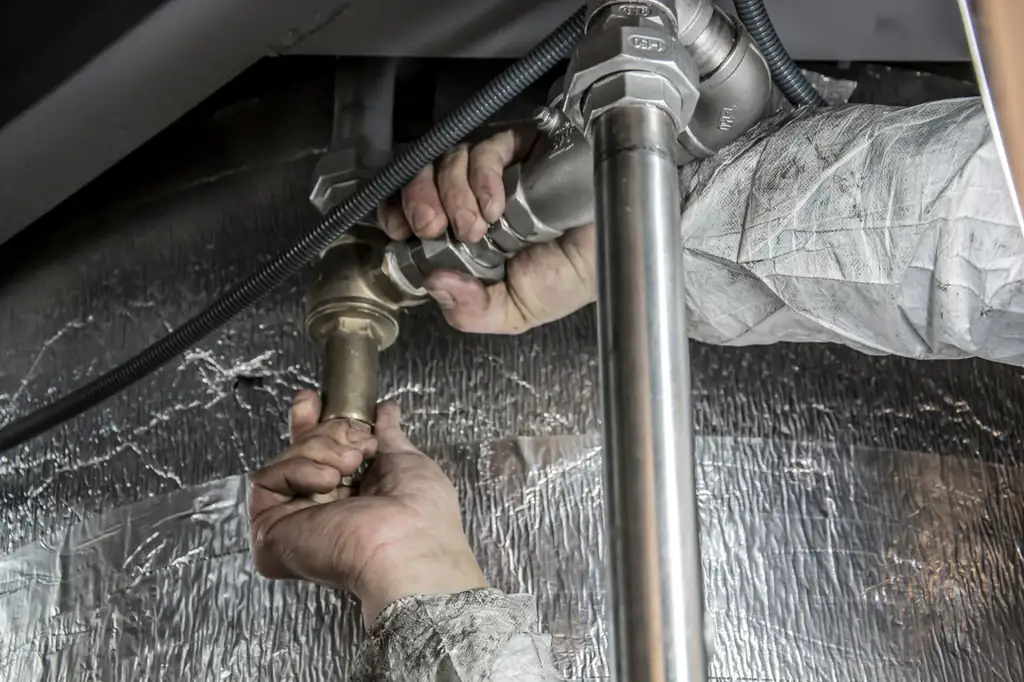
A sump pump that runs constantly usually has a stuck float, a failed check valve letting water drain back, a pit that is too small, or genuinely high groundwater. Constant running burns out pumps, so it is worth diagnosing rather than ignoring.
A sump pump that runs constantly is almost always telling you something. The usual culprits are a float switch stuck in the on position, a failed or missing check valve letting pumped water drain back into the pit, a pit too small for the pump so it cycles without pause, or genuinely high groundwater feeding the pit as fast as the pump empties it. Constant running is hard on a pump — it burns out the motor and switch far faster than normal use — so it is worth diagnosing rather than tuning out the hum.
This article focuses on the “runs constantly” symptom. For the full range of sump pump faults, see sump pump not working troubleshooting.
Unplug the pump before you inspect anything. A sump pump is an electrical device sitting in water. Always cut power at the outlet before reaching into the pit or touching the float, discharge line, or any wiring. Leave electrical and plumbing repairs to a licensed professional.
The float is what tells the pump when to run — it rises with the water and trips the switch on, then drops and switches it off. If the float gets stuck in the raised position, the pump never gets the signal to stop.
Floats jam in predictable ways. In a cramped pit, the float can catch against the basin wall. It can tangle on the discharge pipe or on the pump’s own power cord. Debris can wedge it. In each case the float is held up, the switch stays closed, and the pump runs on.
How to check it: with the pump unplugged, look at whether the float can travel its full range freely. Gently move it up and down by hand. If it snags on the wall, the pipe, or the cord, freeing it or repositioning the pump so the float has clearance may be all it takes.
The check valve on the discharge line is a one-way valve that holds pumped water up in the pipe when the pump stops. If it fails — or was never installed — the column of water in the pipe drains straight back into the pit each time the pump shuts off. That refills the pit, trips the float again, and the pump restarts within seconds, re-pumping the same water over and over. The result reads as near-constant running.
How to check it: watch the pit after the pump empties it. If the water level jumps back up on its own with no rain to explain it, and you hear a rush of water falling back down the pipe when the pump stops, the check valve is a prime suspect. The full picture is in sump pump check valves explained.
If the pit is undersized for the pump, there simply isn’t enough volume between the pump’s on and off points. The pump empties the small basin almost instantly, shuts off, and the pit refills to the trigger level again in moments. This short-cycling can look like constant running, and it wears the pump the same way.
How to check it: if the pump empties the pit in a second or two and restarts almost immediately even in ordinary conditions, the pit-to-pump match is worth examining. A larger basin, or a pump better matched to the pit, gives the system room to run in longer, less frequent pulls.
Sometimes the pump runs constantly because it actually has that much work to do. During heavy rain, a fast snowmelt, or a seasonally high water table, water can pour into the pit as quickly as the pump removes it. The pump runs continuously because the inflow is continuous — a real load, not a mechanical fault.
How to tell it apart: if the constant running lines up with wet weather or a wet season and eases when things dry out, high groundwater is the likely explanation. The pump is doing its job. The real fix here is not inside the pit but outside — grading, gutters, and downspouts that keep water away from the foundation so less of it reaches the pit in the first place.
If high groundwater is the cause, the sump pump is the symptom-manager, not the cure. Reducing how much water reaches the foundation through exterior drainage is what actually lightens the pump's load. No pump substitutes for getting the water management outside the house right.
| What you observe | Likely cause | First thing to check (power off) |
|---|---|---|
| Pump never stops, pit stays empty | Stuck float in on position | Whether the float moves freely |
| Pit refills seconds after emptying, no rain | Failed or missing check valve | Backflow down the discharge pipe |
| Pump empties pit instantly, restarts at once | Pit too small for the pump | Pit size versus pump on/off range |
| Constant running only in wet weather | High groundwater | Exterior drainage and grading |
| Runs non-stop in dry weather after checks | Switch or pump fault | Time to call a professional |
A pump running non-stop is operating well beyond the duty it was built for. The motor and the switch — again, the parts most likely to fail — wear out much faster under continuous load, so a constantly running pump is often a pump heading toward failure, frequently at the worst possible moment during a storm. It also uses more electricity and masks the underlying issue. Diagnosing it early is far cheaper than replacing a burned-out pump and cleaning up the flood that follows its failure.
Work through the float, the check valve, and the pit size with the power off, and note whether the running tracks the weather. Most constantly running pumps trace back to one of these four causes — and the sooner you find which, the more likely you are to fix it before the pump gives out.
FAQ
The four usual causes are a float switch stuck in the on position, a failed or missing check valve letting pumped water drain back into the pit, a pit too small for the pump so it cycles constantly, or genuinely high groundwater feeding the pit faster than expected. Constant running wears the pump out quickly, so it is worth working through the causes rather than leaving it.
Yes. A pump running non-stop is under far more load than it was designed for, and the motor and switch — the parts most likely to fail — wear out much faster. It also uses more electricity and can signal an underlying problem, from a stuck float to high groundwater, that will only get worse. Constant running is a symptom worth diagnosing promptly.
With the pump unplugged, look at whether the float can move freely up and down. It can jam against the pit wall, tangle on the discharge pipe or cord, or sit too low in a cramped pit. Gently move it through its range by hand. If it is caught or restricted, freeing it or repositioning the pump may stop the constant running. Always cut power before reaching into the pit.
Yes, and it is one of the most common causes. Without a working check valve, the water in the discharge pipe drains back into the pit each time the pump stops, refilling it and triggering the pump again within seconds. The pump ends up re-pumping the same water repeatedly, which reads as near-constant running. A failed valve behaves the same way as a missing one.
Sometimes, yes. During heavy rain, rapid snowmelt, or a seasonally high water table, the pit genuinely fills as fast as the pump empties it, so the pump runs continuously because it has real work to do. That is different from a mechanical fault. If the constant running lines up with wet weather and stops when things dry out, high groundwater is the likely explanation — and the fix lies mostly in exterior drainage.
If you have checked the float and the check valve, the pit is a reasonable size, and the pump still runs non-stop in dry weather, it is time for a pro. Electrical faults, switch problems, and pump wear are best diagnosed by a qualified technician, and any wiring or plumbing work should be done by a licensed professional rather than improvised.
Keep reading
How to replace a sump pump step by step — choosing a matched replacement, disconnecting the old one safely, setting the new pump, and testing before you rely on it.
Sump pump troubleshooting by symptom — won't run, runs nonstop, or runs but moves no water — with the likely cause and a safe check for each, plus when to call a pro.
What a sump pump check valve does, why the pump short-cycles without one, and the signs of a failed valve — a plain guide for homeowners.