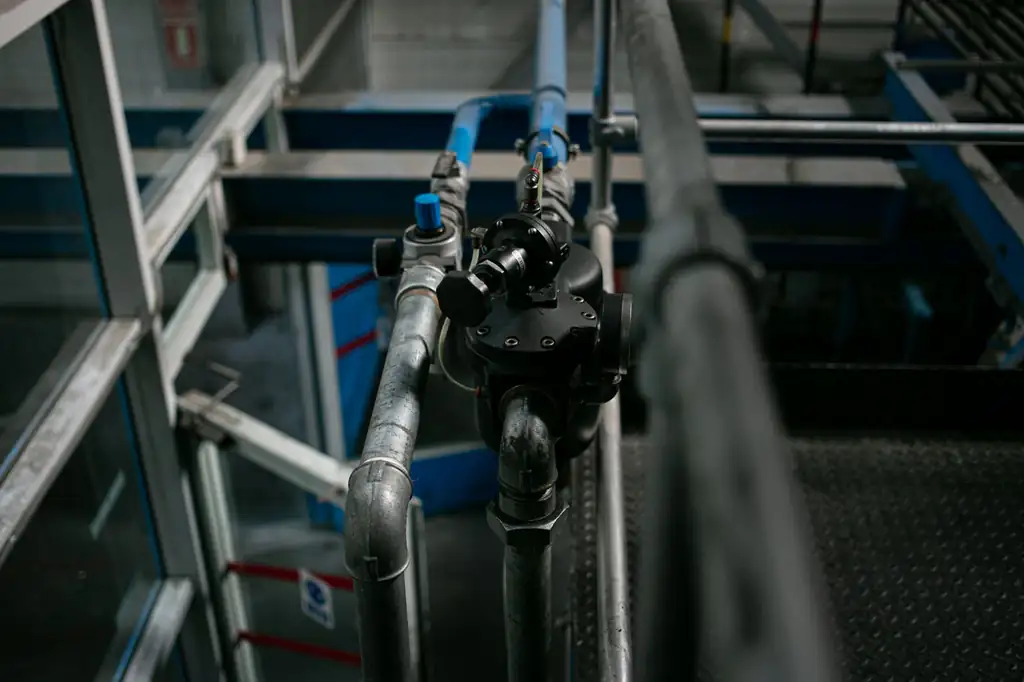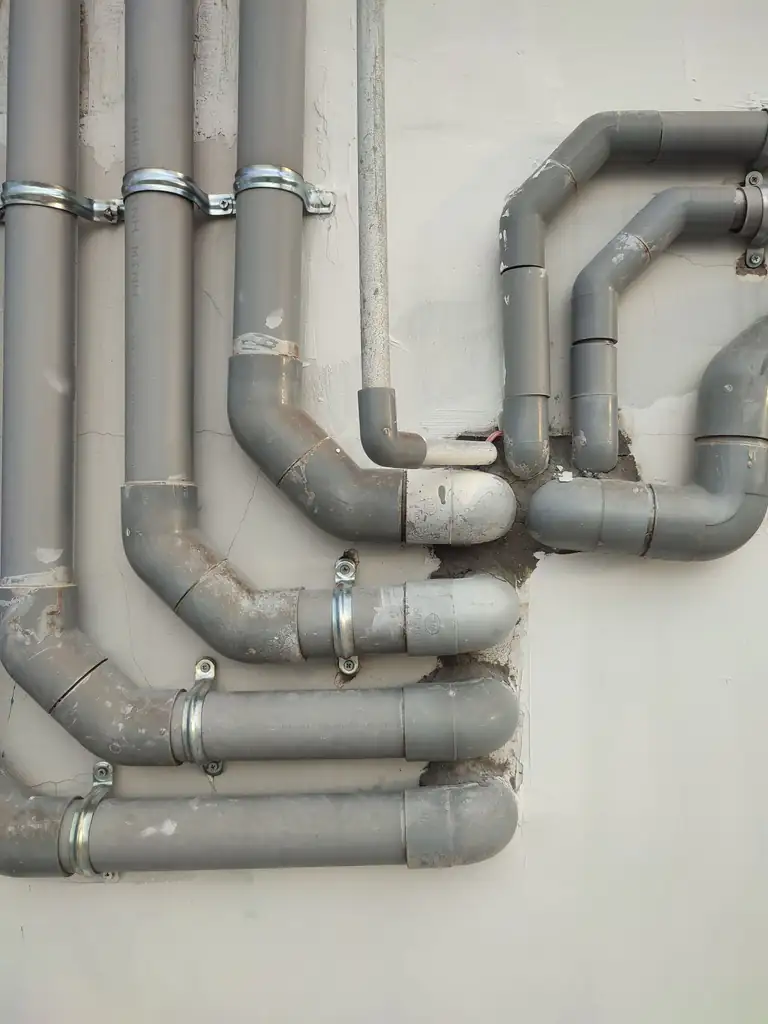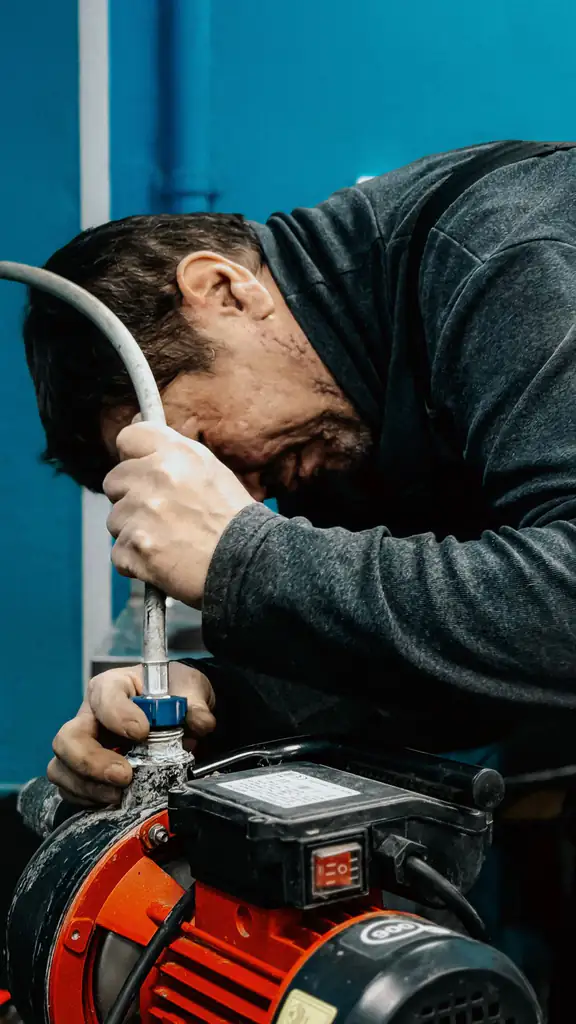
How to Replace a Sump Pump
How to replace a sump pump step by step — choosing a matched replacement, disconnecting the old one safely, setting the new pump, and testing before you rely on it.
Sump Pumps & Interior Drainage
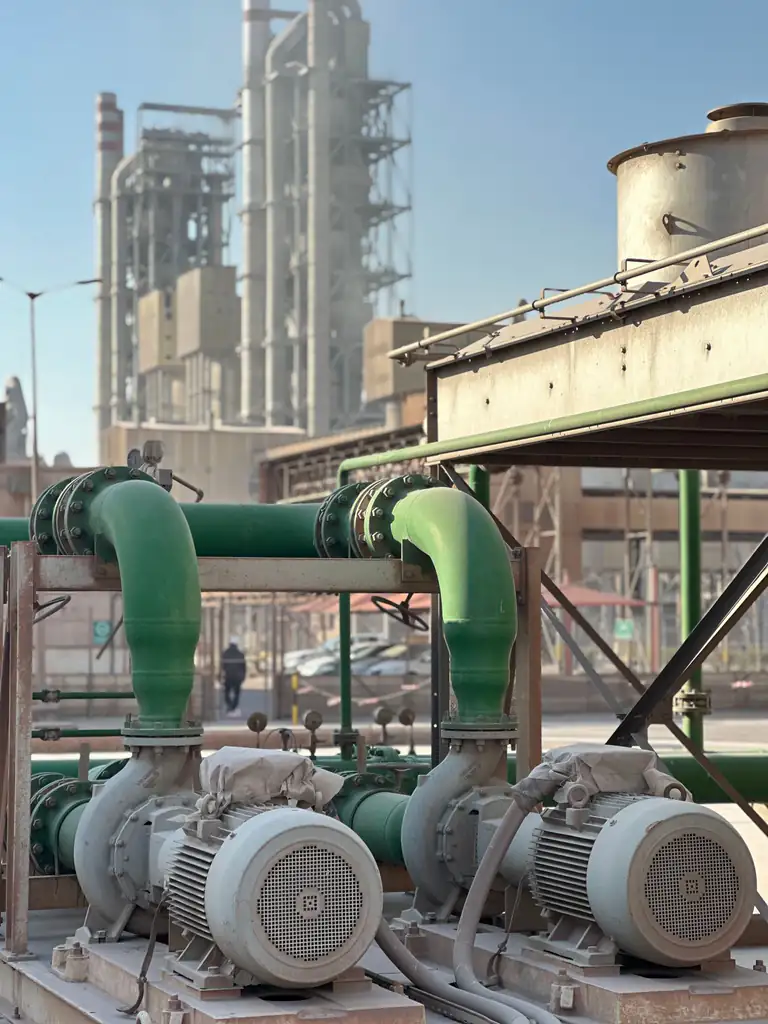
A check valve on the discharge line stops the water that just got pumped up from draining back into the pit when the pump shuts off. Without one the pump short-cycles and wears out; a failed check valve is a common cause of a pump that runs constantly.
A check valve is a small, one-way valve on your sump pump’s discharge line, and it solves a specific problem: keeping the water the pump just lifted from falling straight back into the pit. When the pump shuts off, the water sitting in the pipe above the valve wants to drain back down under gravity. The check valve blocks it. Without one, the pump ends up re-pumping the same water over and over — a wearing pattern called short-cycling — and a failed check valve is one of the most common reasons a pump seems to run constantly.
For the wider system this valve sits in — the pit, float, and discharge — see how a sump pump works. Here we focus on the valve itself.
Picture the moment the pump switches off. The impeller stops pushing, but there is still a tall column of water sitting in the vertical discharge pipe above the pump. Gravity pulls it down. If nothing stops it, all of that water pours back into the pit.
A check valve is a flap or disc that opens in one direction and seals in the other. When the pump runs, the upward flow pushes the flap open and water passes through. When the pump stops, the falling water pushes the flap closed, sealing the pipe and holding the column of water up above the valve. The pit stays empty, and the pump gets a real rest instead of immediately facing the water it just moved.
Take the valve away and a frustrating cycle sets in.
The pump runs, empties the pit, and shuts off. The water in the discharge pipe immediately drains back into the pit. That backflow partially refills the pit, the water rises to the float again, and the pump kicks back on — often within seconds. It empties the pit, shuts off, and the water falls back again.
This rapid on-off pattern is short-cycling. It is hard on the two parts most likely to fail — the motor and the switch — because they are being started far more often than the actual water load requires. It wastes electricity. And during heavy rain, when the pit is genuinely filling, a missing check valve means the pump is fighting both the incoming water and its own backflow at once. The check valve is a small part, but its absence undermines the whole system.
A check valve reduces wasteful re-pumping, but it does not change how much groundwater arrives at your pit. If the pump runs hard even with a healthy valve, the answer lies in drainage and grading outside — not in the valve. The valve stops backflow; it does not stop water reaching the house.
Check valves wear out. The flapper can stiffen, debris or mineral scale can foul the seal, and the whole valve can stick. When it fails, the symptoms are usually noticeable.
The most telling sign is a pump that runs far more than the weather justifies — because pumped water keeps draining back, the pit keeps refilling, and the pump keeps restarting. That is the same short-cycling you would get with no valve at all. You may also hear a distinct rush or a loud clunk each time the pump stops, as the water column falls back into the pit. And if you watch the pit empty and then refill within seconds with no rain to explain it, a failed check valve should be near the top of your suspect list.
A pump that runs constantly has several possible causes, and a bad check valve is only one of them. For the full diagnostic path see why your sump pump runs constantly and the broader sump pump not working troubleshooting guide.
| Behavior | Healthy check valve | Failed or missing valve |
|---|---|---|
| After the pump stops | Water column held in the pipe | Water drains back into the pit |
| Pit level after pumping | Stays low | Refills quickly on its own |
| Pump cycling | Runs in proportion to inflow | Short-cycles or runs constantly |
| Sound at shut-off | A single soft closing | Rush of water, sometimes a loud bang |
| Energy use | Matched to actual water | Wasted on re-pumping |
Some check valves close with a loud bang when the water column drops back against the flap. That noise, often called water hammer, is the pressure shock of the flow suddenly stopping. It is not always a fault — some valve designs simply close harder than others — but repeated, heavy banging stresses the pipe and fittings over time and can point to a valve that is worn or poorly matched to the installation. Quieter, softer-closing designs exist. If the banging is loud and persistent, it is worth having a qualified plumber look at the valve and its placement rather than living with it indefinitely.
Because a check valve is a wear part sitting in moving water, it belongs in your routine maintenance, not in the set-and-forget pile. When you test the pump, listen for backflow after it stops and watch whether the pit refills on its own. Any of the failure signs above is a cue to inspect the valve. For a full routine, see sump pump maintenance and testing.
Unplug the pump before touching the discharge line, and leave plumbing work to a pro. A sump pump is powered and sits in water. Always cut power at the outlet before inspecting the valve, and have valve replacement or relocation — which ties into the plumbing — handled by a qualified plumber rather than done improvised.
A working check valve is one of the cheapest ways to keep a sump pump running the way it should — in proportion to the water, not against its own backflow. Inspect it as part of routine maintenance, replace it when it wears, and pair it with drainage that keeps the pit from filling in the first place.
FAQ
It is a one-way valve on the discharge line that lets water flow up and out but blocks it from flowing back down. When the pump shuts off, the column of water sitting in the pipe above the valve would otherwise drain straight back into the pit. The check valve holds that water up in the pipe, so the pump does not have to re-pump the same water moments later.
Every time the pump stops, the water still in the discharge pipe falls back into the pit. That refills the pit part way, quickly triggers the float again, and the pump runs once more — a rapid on-off pattern called short-cycling. It wastes energy, wears the motor and switch, and in a hard rain can leave the pump fighting the same water over and over.
The classic sign is a pump that runs far more than it should, or seems to run almost constantly, because pumped water keeps draining back. You may also hear a loud clunk or a rush of water falling back into the pit each time the pump stops. If the pit refills right after the pump empties it, with no rain to explain it, a failed check valve is a prime suspect.
Typically on the vertical section of the discharge line above the pump, within reach for inspection and replacement. Manufacturers give specific guidance, and placement affects how much water the valve has to hold and how much noise it makes when it closes. Because it ties into the plumbing, installation or relocation is usually best left to a qualified plumber.
That noise, sometimes called water hammer, is the valve slamming shut as the water column drops back against it when the pump stops. Some valve designs close more softly than others. Loud, repeated banging is worth attention because it stresses the pipe and fittings over time, and it can signal a valve that is worn or poorly matched to the installation.
Yes. Debris, mineral buildup, or a worn flapper can leave the valve stuck partly open, so it no longer seals and water drains back, or stuck closed, so the pump strains against a blocked line. Either failure mode shows up as abnormal pump behavior. A check valve is a wear part, so it is worth inspecting during routine maintenance rather than assuming it lasts forever.
Keep reading
How to replace a sump pump step by step — choosing a matched replacement, disconnecting the old one safely, setting the new pump, and testing before you rely on it.
Why a sump pump hums but pumps no water — jammed impeller, air lock, clogged intake, stuck check valve, or frozen discharge — with a safe check for each cause.
How long sump pumps typically last, what shortens their life, the warning signs of a failing pump, and why age and testing matter.