Sump Pump Backup Options
Sump pump backup options compared — battery backups and water-powered backups, their runtime and cost trade-offs, plus how to keep the backup itself ready.
Sump Pumps & Interior Drainage
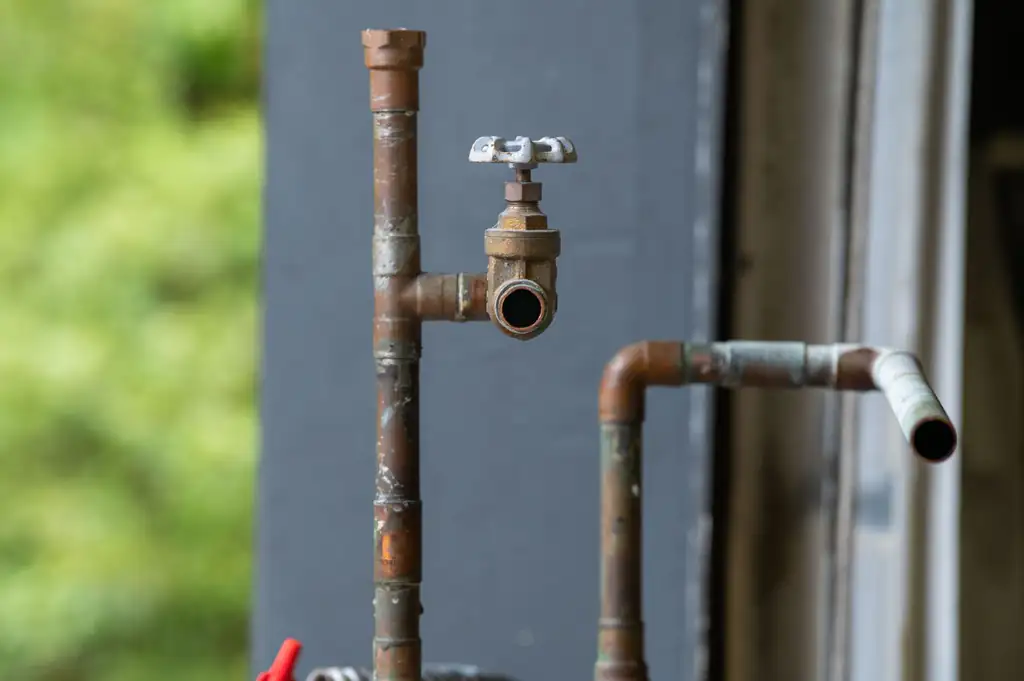
A water-powered backup pump uses your home's municipal water pressure to pump the pit when power is out, with no battery to maintain. It runs as long as the water supply holds but uses a lot of water and only works on city water, not a well.
A water-powered backup sump pump uses the pressure already in your municipal water line to pump out the pit when the electricity is off. There is no battery to charge or replace, and it can keep running as long as city water pressure holds — but it only works on municipal supply, not a well, and it consumes a lot of water while doing its job.
The biggest weakness of a battery backup is the battery itself. It ages, it needs testing, and it can quietly die in the years between storms. A water-powered backup sidesteps that entirely. With no motor and no stored charge, there is nothing to run flat during a long outage and nothing that degrades on a shelf.
That makes it attractive for homes that sit empty for stretches, or for owners who know they will not keep up with battery maintenance. For a side-by-side look at every strategy, see sump pump backup options. And if you are weighing this against the battery route specifically, our battery backup sump pumps explained guide lays out that side of the trade.
The system taps into a pressurized cold-water supply line and adds a second, motorless pump in or above the pit. The sequence is simple:
Because the only energy source is your water pressure, the pump does not care whether the power is on. As long as the city keeps water flowing under pressure, the backup can operate.
A water-powered backup, like any sump system, is a last line of defense. It does not fix water that reaches the foundation because of poor grading or overflowing gutters. Keep the exterior drainage working; the sump complements it, never replaces it.
Two hard constraints define whether this option fits your home.
It only works on municipal water. A private well depends on an electric pump to make pressure. During the exact outage you are protecting against, that pressure is gone, so a well cannot drive a water-powered backup. These systems are meant for homes on pressurized city supply.
It trades supply water for pumping. To remove pit water, the unit spends several gallons of clean municipal water for a smaller amount of water pumped out. Over a long, wet outage that can add up to significant metered water use.
| Consideration | Water-powered backup |
|---|---|
| Power required | None; runs on water pressure |
| Water source needed | Municipal (city) water only |
| Battery maintenance | None |
| Water consumption | High; uses supply water to pump pit water |
| Runtime limit | As long as city pressure holds |
| Backflow protection | Required by code to protect drinking water |
Plumbing and code. A water-powered backup connects to your pressurized drinking-water supply and must include backflow prevention to keep pit water out of the potable system. This installation commonly falls under local plumbing code — hire a licensed plumber rather than improvising the connection.
A water-powered backup sump pump is a strong option for the right home: on municipal water, with no interest in maintaining a battery, and with a tolerance for the water it uses. Its ability to run as long as city pressure holds is a genuine advantage over a battery’s fixed runtime. But the city-water-only requirement and the high water consumption are not fine print — they decide whether this pump belongs in your basement at all. Match it to your water source, plan for the water use, and let a licensed plumber handle the potable connection.
FAQ
It uses the pressure in your municipal water supply. When the pit rises and a float opens a valve, incoming pressurized water flows through a venturi that creates suction, drawing pit water up and out through the discharge. No motor and no battery are involved, so an outage does not stop it.
Generally no. A well system relies on an electric pump to create water pressure, so during a power outage there is no pressure to drive the backup. Water-powered backups are intended for homes on pressurized municipal (city) water.
A meaningful amount. These pumps typically use several gallons of supply water to remove a smaller volume of pit water, so a long outage with heavy inflow can run up notable municipal water use. The exact ratio varies by model and by your water pressure.
No. The absence of a battery is the main appeal. There is nothing to charge, and nothing that quietly dies from age between storms. Maintenance focuses on the valve, screen, and float rather than a battery.
The plumbing tie-in to a pressurized supply line often falls under local plumbing code and includes backflow prevention to protect drinking water. Because of the potable-water connection, many homeowners hire a licensed plumber. Check your local requirements before starting.
A properly installed unit includes backflow prevention so pit water cannot be drawn into the potable supply. This protection only works if the installation follows code, which is a strong reason to involve a licensed plumber.
Neither wins outright. Water-powered systems need no battery and can run as long as pressure holds, but only on city water and at the cost of high water use. Battery systems work anywhere but have limited runtime and battery upkeep.
Keep reading
Sump pump backup options compared — battery backups and water-powered backups, their runtime and cost trade-offs, plus how to keep the backup itself ready.
How to replace a sump pump step by step — choosing a matched replacement, disconnecting the old one safely, setting the new pump, and testing before you rely on it.
How a sump pump works in a crawl space — when you need one, how it pairs with a vapor barrier, access and maintenance challenges, and what it does and doesn't fix.