Why Your Downspout Isn't Draining (and How to Find the Blockage)
A downspout that won't drain is almost always clogged somewhere specific. Learn to find the blockage by working top-down, and how to clear it safely.
Downspouts
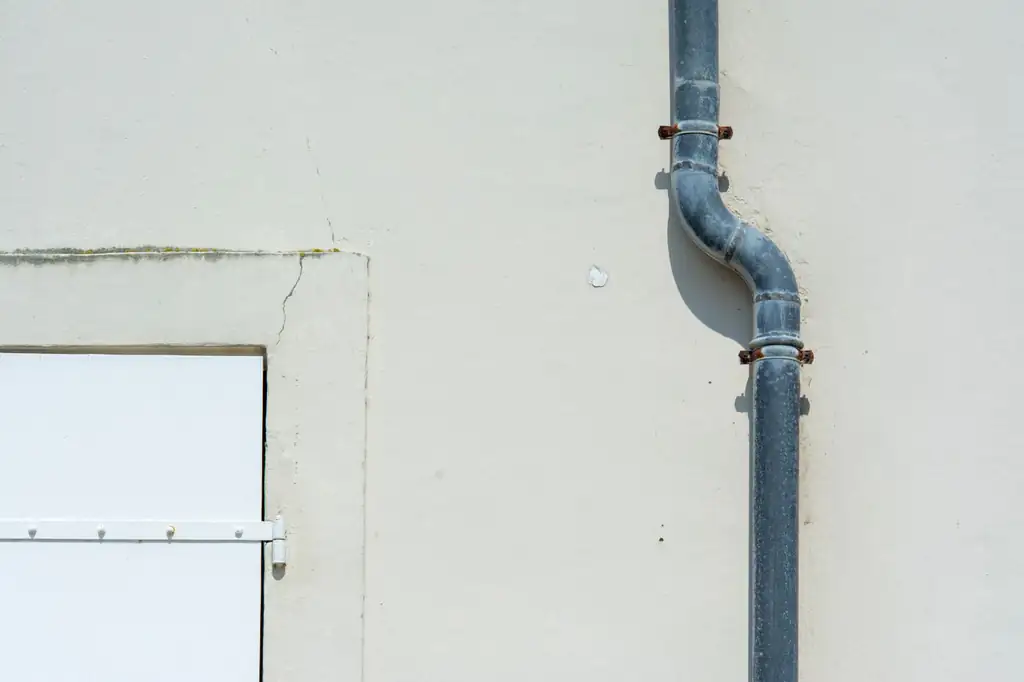
Unclog a downspout by working from the bottom and top — tap to find the blockage, flush with a hose, and use a plumber's snake for stubborn or buried clogs, without blasting joints apart. If the clog is in a buried line, cleanouts make it far easier.
A clogged downspout is one of the most common gutter problems, and one of the most fixable without special tools. The whole job comes down to two things: figuring out where the blockage sits, and clearing it without knocking the pipe apart. Work patiently from both ends, use a hose and a snake rather than brute force, and most clogs come loose in a few minutes.
Before you start, make sure the downspout is the problem and not the gutter feeding it. If water overflows the gutter along its length, the trouble may be upstream — the gutter itself is full, or overflowing in heavy rain. If water backs up specifically at the outlet where the gutter meets the downspout, or the downspout stays dry during rain while the gutter brims, the clog is in the pipe. Our guide to why a downspout is not draining covers how to tell these apart.
You do not need to guess. Walk your knuckles or the handle of a screwdriver down the length of the downspout, tapping every foot or so.
Start at the top and work down. The point where the sound goes from hollow to dull is roughly the top of the clog. That tells you which direction to work from: a clog high up near the top offset is best reached from above, while one low down near the bottom elbow is easier to clear from the ground.
For many clogs, plain water flow is enough. Feed a garden hose into the top of the downspout — from the gutter outlet if you can safely reach it — and turn it on at a normal, steady flow. The column of water often loosens a soft mass of leaves and washes it down and out the bottom.
Keep an eye on the bottom of the pipe. If water and debris start flowing out, you are winning. If water instead backs up out the top, the clog is holding; shut off before it overflows and move to the snake.
Resist the urge to reach for a pressure washer. The extra force is more likely to blow a friction-fit joint apart or push water out behind the pipe than to clear a packed clog — and then you have two problems instead of one.
When water alone will not move it, a plumber’s drain snake (a hand auger) is the right tool. Feed the flexible cable into the pipe from whichever end is closer to the blockage, turning gently as you go. The cable either pushes the packed material through or hooks it so you can pull it back out. Follow up with the hose to flush whatever broke loose.
Go slowly at bends. The snake has to work around each elbow, and forcing it can pop a joint or scratch the inside of the pipe.
Sometimes the fastest route is to take the pipe apart right at the clog — most often at an elbow, where debris tends to pack in. Friction-fit sections usually pull apart with a firm, steady tug. Clear the exposed section by hand or with the hose, then reassemble with the upper piece nested inside the lower one so water stays captured at the seam.
Skip the ladder work you are not comfortable with. Clearing the top of a downspout or the gutter outlet often means working at height. If reaching the clog means overreaching on a ladder or standing on a roof edge, stop and bring in someone equipped for it — a clogged pipe is not worth a fall.
If the downspout ties into a buried drain line, you cannot tap along it or take it apart. Your options depend on whether the line has cleanouts — capped access points installed along the run.
The table below is a rough guide to matching the method to the clog. Results vary with the pipe and the blockage.
| Method | Best for | Watch out for |
|---|---|---|
| Tapping to locate | Any clog, as the first step | Reading the sound change carefully |
| Garden hose flush | Soft leaf clogs | Backing up and overflowing the top |
| Plumber’s snake | Packed or stubborn clogs | Forcing it through elbows |
| Opening a joint | Clogs at an accessible elbow | Cracking a cold, brittle pipe |
| Cleanout access | Buried-line clogs | Only works if cleanouts exist |
Unclogging a downspout is mostly about patience and the right amount of force. Tap to find where the blockage sits, flush with a garden hose, and bring in a plumber’s snake when water alone will not do it — all without the high pressure that separates joints and creates new leaks. If the pipe runs underground, cleanouts turn a frustrating blind job into a quick one, which is why they are worth having. And if the same spot keeps clogging, stop treating the symptom and look upstream at the gutters and the turns feeding it.
FAQ
Tap along the length of the pipe with your knuckles or a screwdriver handle. A clear section sounds hollow, while a packed section sounds dull and solid. Working from the top down, the point where the sound changes is roughly where the blockage begins, which tells you whether to attack it from above or below.
It is risky. High pressure can force friction-fit joints and elbows apart, and it can blow water out through seams behind the pipe rather than through the clog. A regular garden hose usually provides enough flow to flush a downspout, and it is far less likely to damage the connections.
A plumber's drain snake, or auger, is the usual choice. It feeds a flexible cable into the pipe so you can push or hook out a packed blockage that water alone will not move. Fed gently, it clears stubborn clogs without the joint-separating force of high-pressure water.
A buried line is harder because you cannot reach it along its length. If the line has cleanouts, open the nearest one and snake toward the blockage from there. Without cleanouts, you are limited to working from the downspout inlet or the outlet end, which is one reason cleanouts are worth adding when a line is installed.
Opening a joint near the blockage can be the simplest fix, especially at an elbow where debris often packs in. Take it apart gently, clear the section, and reseat the joint with the upper piece inside the lower one. Avoid prying hard on a cold, brittle pipe, which can crack.
Repeat clogs usually happen at a bend, most often the top offset where roof debris first changes direction. If one elbow keeps catching leaves, the fix is often upstream — a strainer at the outlet, more frequent gutter cleaning, or simplifying the turns rather than clearing the same spot over and over.
Forcing a frozen line is a bad idea, because the ice is not going anywhere and the pressure can crack the pipe or split a joint. It is safer to wait for a thaw, and to address the freezing itself — usually standing water from a flat run or a blocked outlet — before the next cold snap.
Keep reading
A downspout that won't drain is almost always clogged somewhere specific. Learn to find the blockage by working top-down, and how to clear it safely.
Why downspouts drum, drip, and rattle in the rain, and the simple fixes that quiet them without replacing the whole run.
Why downspouts freeze in winter, the backup risk a frozen pipe creates, how to prevent it, and what you should never do to thaw one.