How to Drain Water Away From Your House
Roof water, ground slope, and a real outlet decide whether water stays away from your house. A practical order for tackling water near the foundation.
Drainage
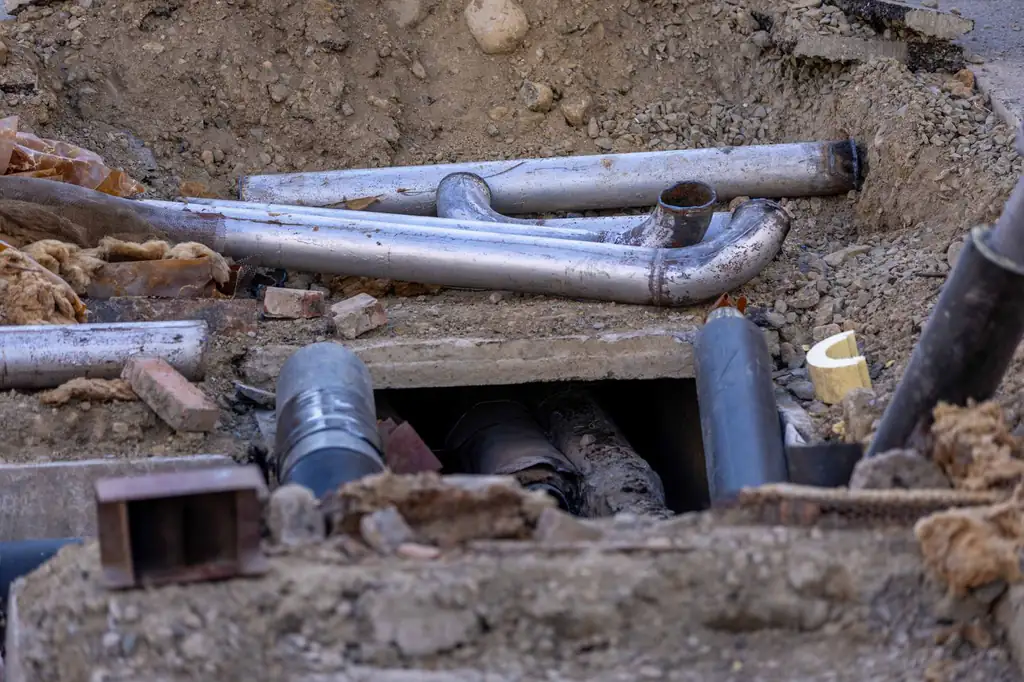
A retaining wall holds back soil — and the water in it. Without drainage behind the wall (gravel backfill, a perforated drain pipe, and weep holes), water pressure builds and can push a wall out of line. Retaining-wall drainage is structural, not just tidy.
Most drainage projects are about comfort — a dry lawn, a usable patio. Drainage behind a retaining wall is different: it is part of what keeps the wall standing. Water is the force that pushes retaining walls out of line, and the drainage built into the wall is the system that keeps that force in check. Treat it as decoration and you risk the whole structure.
A retaining wall holds back soil, and soil full of water is far heavier and pushes far harder than dry soil. Without drainage behind the wall — free-draining gravel backfill, a perforated drain pipe to collect water, and weep holes or a piped outlet to release it — water pressure builds up and can shove a wall out of alignment. Retaining-wall drainage is structural, not cosmetic. If a wall is already leaning or bulging, that is a job for a structural professional, not a weekend patch.
The problem is hydrostatic pressure. When soil behind a wall becomes saturated, the trapped water adds enormous weight and pushes outward against the wall face. A wall designed to hold back dry or well-drained soil can be overwhelmed when that soil is waterlogged.
Drainage relieves this pressure by giving water a path out before it can accumulate. The goal is not to keep the backfill bone dry — it is to keep water from pooling and building force against the structure.
A well-drained retaining wall generally combines several components working together:
The drain pipe behind a wall is only as good as its outlet. Like any drainage system, it needs a lower, legal place to discharge — and where you send that water may be regulated locally. A collection pipe with nowhere to drain is not drainage at all.
The interplay of grading around the wall also matters, since surface water shed toward the wall adds to the load. Our guide on yard grading and swales covers directing surface runoff away so it never reaches the backfill in the first place.
| Component | Role | What happens without it |
|---|---|---|
| Gravel backfill | Free path for water to move down | Soil saturates against the wall face |
| Perforated pipe | Collects water at the base | Water has no organized way to leave |
| Weep holes | Release water through the wall face | Pressure builds with no low-resistance exit |
| Outlet | Carries collected water away | The pipe fills and pressure returns |
| Surface grading | Keeps runoff off the backfill | Extra water loads an already stressed wall |
Because retaining-wall drainage is structural, the warning signs are structural too. Watch for:
Any of these can indicate that pressure is winning. They are a reason to bring in a structural professional promptly rather than trying to patch the symptom from the front.
Drainage behind a retaining wall is part of the wall’s structure. Gravel backfill, a perforated collection pipe, weep holes, and a real outlet work together to keep water pressure from building up and pushing the wall out of line. Build them in from the start, keep the water moving to a legal outlet, and grade surface runoff away. And if a wall is already leaning, bulging, or cracking, treat that as the structural warning it is — and call a professional before the ground behind it decides the outcome for you.
FAQ
A retaining wall holds back soil, and saturated soil is much heavier and exerts far more pressure than dry soil. Water building up behind the wall creates hydrostatic pressure that pushes on the structure. Drainage relieves that pressure so the wall is not fighting the weight of trapped water.
Weep holes are openings through the face of the wall that let water collected behind it escape to the front. They give trapped water a low-resistance exit so pressure does not build up in the backfill.
A typical approach combines free-draining gravel backfill against the wall, a perforated drain pipe at the base to collect water, and either weep holes or a piped outlet to carry it away. The exact design depends on the wall height, soil, and local code.
Warning signs include the wall leaning or tilting forward, bulging in the middle, cracking, or soil and water escaping through joints. These can indicate pressure problems and are a reason to consult a structural professional promptly.
Sometimes, but it often means excavating the backfill to install gravel and pipe, which is a significant job. For an existing wall showing signs of distress, this is best assessed by a professional rather than patched from the front.
Yes. Like any drainage system, the perforated collection pipe has to carry water to a lower, legitimate discharge point. Without an outlet the pipe fills and the pressure it was meant to relieve builds up anyway.
Any tall wall, any wall showing lean, bulge, or cracking, and any wall retaining soil near a structure warrant professional involvement. Retaining walls are engineered elements, and drainage is part of that engineering, not an afterthought.
Keep reading
Roof water, ground slope, and a real outlet decide whether water stays away from your house. A practical order for tackling water near the foundation.
Grading shapes the ground so water runs away from the house to a safe outlet. How positive slope, swales, and a real outlet work together to keep a yard dry.
A French drain collects and moves water; a dry well stores and soaks it into the ground. Here is how to tell which one your yard actually needs.