Dry Well vs French Drain — Which Does Your Yard Need?
A French drain collects and moves water; a dry well stores and soaks it into the ground. Here is how to tell which one your yard actually needs.
Drainage
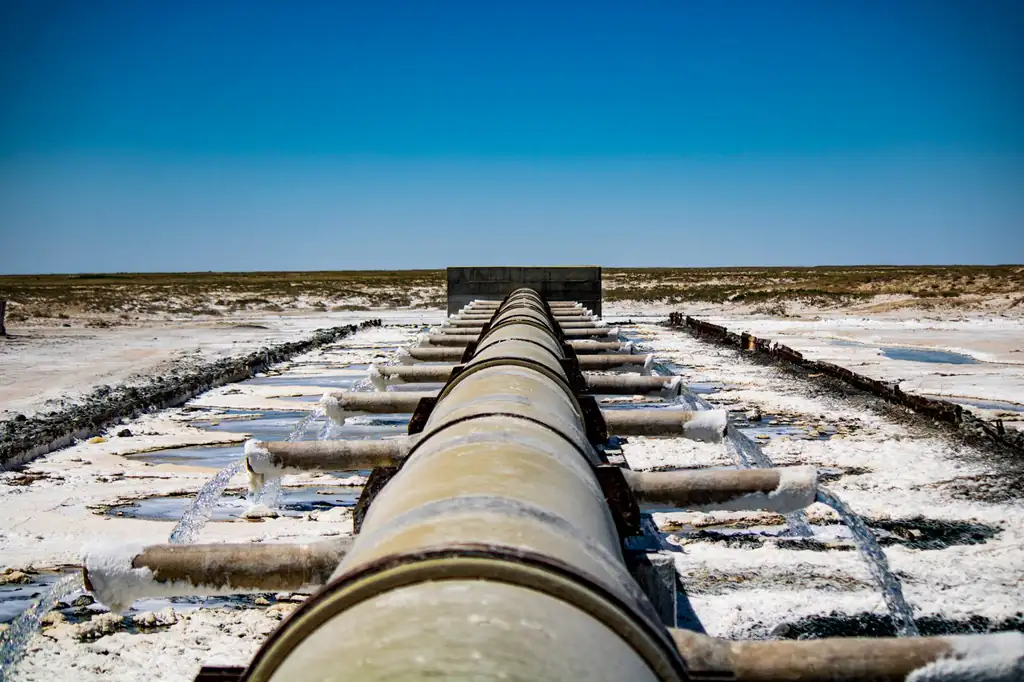
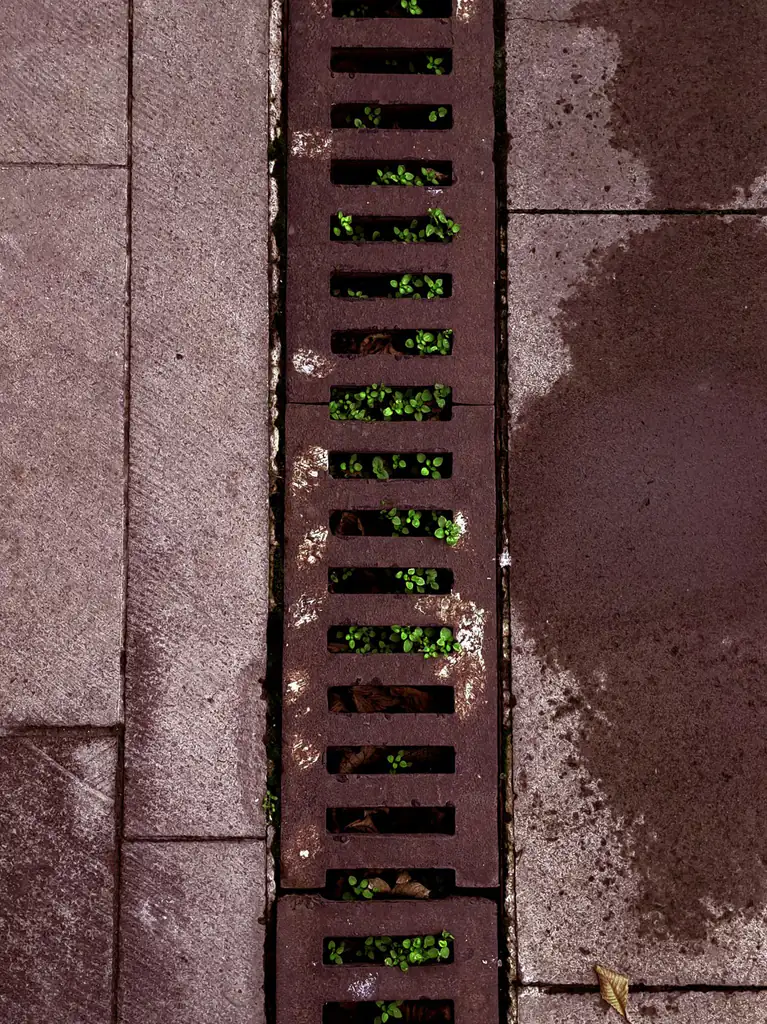
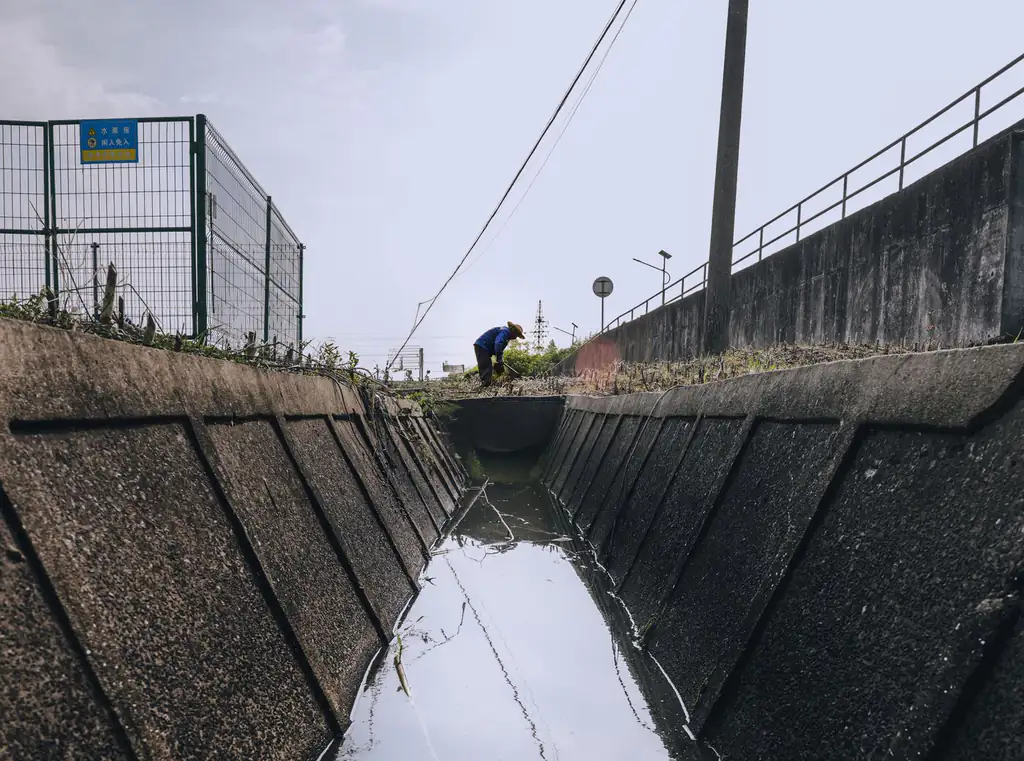
Surface drainage moves water sitting on top of the ground — grading, swales, channel drains; subsurface drainage collects water moving through the soil — French drains, footing drains. Diagnosing which you have is the difference between a fix that works and one that doesn't.
Two yards can have the same puddle for completely different reasons. In one, rain runs off a slope and collects in a low spot. In the other, groundwater rises through saturated soil until the surface stays wet for days. The puddle looks identical — but the fixes are opposites. That is why the first job in any drainage project is not digging; it is diagnosis.
Surface drainage moves water that is sitting on or flowing across the top of the ground, using tools like grading, swales, and channel drains. Subsurface drainage collects water moving through the soil below grade, using systems like French drains and footing drains. Figuring out which kind of water you are dealing with is the single most important step — a surface fix does nothing for a groundwater problem, and a buried collection system is overkill for water that is only a grading issue.
Surface drainage is about geometry. Water follows the shape of the land, and if the land directs it into a flat or low area, it pools there. Surface solutions reshape or intercept that flow before it collects.
Common surface tools include:
These work when the problem is where water goes once it lands. If your trouble is a low spot collecting runoff, surface drainage is usually the right family of fixes, and our guide on fixing standing water in your yard covers the diagnosis in detail.
Subsurface drainage is about water already in the soil. Even a perfectly graded yard can stay soggy if the water table is high or the soil holds water and releases it slowly. You cannot grade your way out of that, because the water is not sitting on top — it is moving underground.
Common subsurface tools include:
Subsurface drainage that manages water in the soil is not the same as foundation waterproofing, which seals the structure itself. They are related but distinct disciplines, and water affecting a foundation is a good reason to bring in a professional rather than relying on a yard drain alone.
You do not need special equipment to start diagnosing. Two observations get you most of the way:
Keep in mind that many yards have both problems at once. Runoff can pool on top while groundwater keeps the soil wet underneath, which is why some sites need both grading and a collection system.
| Aspect | Surface drainage | Subsurface drainage |
|---|---|---|
| Water it handles | Water on top of the ground | Water moving through the soil |
| Typical tools | Grading, swales, channel drains | French drains, footing drains |
| Main sign | Pooling and slow surface runoff | Chronically saturated, springy soil |
| How to confirm | Watch flow during rain | Percolation test, lingering wetness |
| Relative disruption | Often less invasive | Usually requires excavation |
| Common failure | Using it on a groundwater problem | Building it for a mere grading issue |
Match the fix to the source. If water is a matter of where it collects on the surface, start with grading and swales. If the soil itself stays saturated, you are likely looking at a subsurface collection system. If you have both, plan for both, and sequence the work so the surface geometry is right before you commit to buried pipe.
Whatever the fix, every drainage solution needs a real outlet — a lower, legitimate place for the water to go — and discharge may be regulated in your area, so confirm what is allowed locally before you build.
Surface and subsurface drainage solve two genuinely different problems, and they are not interchangeable. Surface drainage reshapes and redirects water sitting on the ground; subsurface drainage collects water moving through the soil. Spend your first effort on diagnosis — watch the yard in the rain, test the soil, and be honest about whether you might have both. Get the source right, and the fix follows naturally. Guess at it, and you will build the wrong system perfectly.
FAQ
Surface drainage deals with water sitting on or running across the top of the ground and moves it away using grade, swales, and channel drains. Subsurface drainage deals with water moving through the soil and collects it below grade with systems like French drains and footing drains.
Watch your yard during and after rain. Water that pools on the surface and drains slowly points to a surface issue, while ground that stays saturated, springy, or seeps long after the rain suggests subsurface water. A simple percolation test can help confirm how fast your soil drains.
Yes, and many yards do. Runoff can pool on the surface while groundwater keeps the soil saturated underneath. In those cases a combination of grading and a subsurface collection system often works better than either alone.
A French drain is primarily a subsurface tool — it collects water moving through the soil into perforated pipe in gravel. Some shallow versions handle surface runoff too, which is why diagnosing the actual water source before building one matters so much.
It varies by site, but surface fixes like regrading and swales are often less invasive than excavating for a buried collection system. That said, using a cheap surface fix on a subsurface problem usually fails, which ends up costing more.
Grading fixes standing water that is caused by surface geometry — low spots and flat areas where runoff collects. It will not solve a problem driven by groundwater rising through the soil. Matching the fix to the source is the whole point.
If water is affecting your foundation, if the soil stays saturated no matter what you do on the surface, or if you cannot tell which type of problem you have, a drainage professional can diagnose the source and keep drainage separate from waterproofing concerns.
Keep reading
A French drain collects and moves water; a dry well stores and soaks it into the ground. Here is how to tell which one your yard actually needs.
A channel drain catches surface water on paving; a French drain collects saturated water from soil. Here is how to tell which your site actually needs.
Smooth-wall PVC vs flexible corrugated drainage pipe — how each behaves on clogging, crushing, and cleanouts, where each fits, and why this is a different choice than solid vs perforated.