How to Clean Vinyl Siding
Clean vinyl siding safely with a soft brush and mild solution — the bottom-to-top method, why to keep pressure low, and how to remove mildew without soaking the wall.
Exterior Cleaning
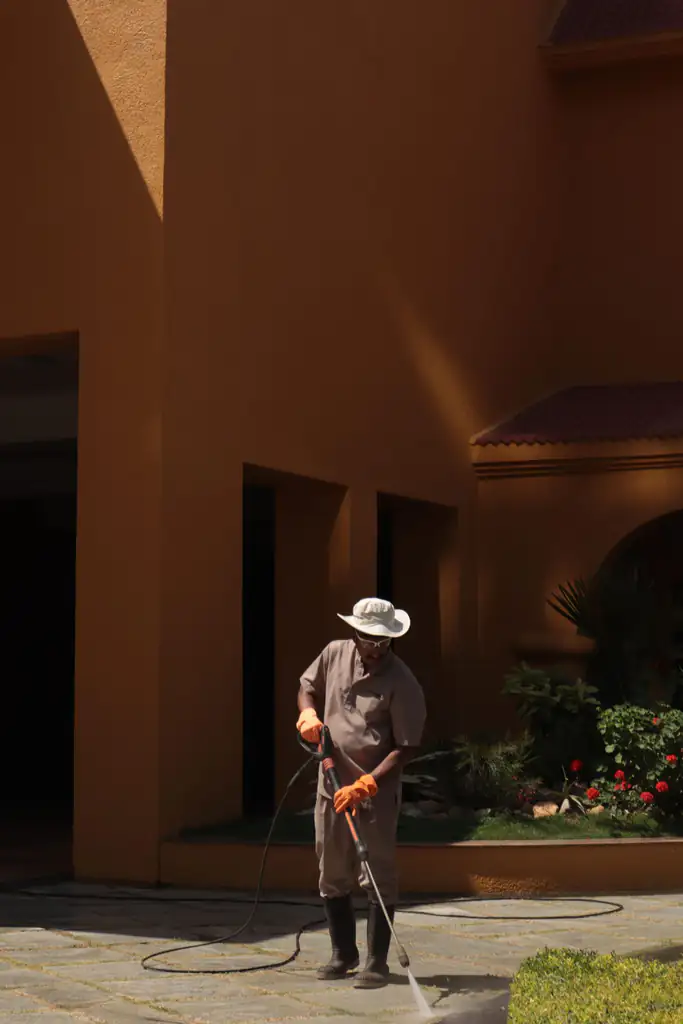
Cushions, awnings and patio furniture usually need hand washing or very low pressure with a mild soap — pressure washers tear fabric and strip finishes. Cleaning and drying them fully also prevents the mildew that regrows on anything left damp.
Patio furniture, cushions and awnings are soft goods, and soft goods do not belong anywhere near a pressure washer. The spray tears fabric, forces water into foam and strips protective finishes. Almost everything on your patio cleans up with mild soap, a soft brush and hand work — and the step people skip, drying it completely, is what actually keeps mildew from growing back.
A pressure washer is built to move grime off hard, solid surfaces. Point it at a cushion or an awning and it does damage instead of cleaning. The concentrated stream can punch straight through fabric, blow out stitching, and drive water deep into cushion foam where it lingers for days. On awning material and finished frames, that same force strips the water-repellent coatings and protective finishes that make the item last.
The result is furniture that looks clean for an afternoon and is quietly ruined — soggy foam, frayed seams and bare fabric that soaks up the next rain. Fabric and finishes are exactly the kind of surfaces our overview of what not to pressure wash warns against. Keep the pressure washer for the patio slab, not the chairs on it.
Pressure washing and cleaning chemicals carry real risks. High-pressure spray can injure, wet surfaces cause falls, and cleaners can harm skin, eyes and plants. Roof and second-story work is best left to professionals.
Match the method to the material and you will clean almost anything on the patio without harm. The common thread is mild soap, soft tools and a thorough rinse.
| Item / material | Method | Avoid |
|---|---|---|
| Fabric cushions | Mild soap, soft brush, thorough rinse, full sun drying | Pressure spray, soaking foam, harsh bleach |
| Awning fabric | Brush off debris, mild soap wash, rinse, dry fully before retracting | Pressure washing, storing damp |
| Metal frames | Mild soap and water, soft cloth | Abrasive pads that scratch finish |
| Plastic / resin | Mild soap and water, soft brush | Harsh solvents that dull the surface |
| Wood furniture | Wood-safe cleaner, gentle handling, dry before storing | Pressure spray, saturating the wood |
| Wicker / rattan | Soft brush into crevices, light rinse | Soaking, high pressure |
Brush off loose dirt first, rinse with plain water, then wash with a mild soap solution and a soft brush. Let the soap dwell a moment before you scrub gently, then rinse until the water runs clear. Getting all the soap out matters — leftover residue attracts dirt and can leave marks.
Awnings collect leaves, pollen and bird mess, and they trap water in their folds. Sweep or brush off the debris, rinse, then wash with a mild soap and a soft brush, working in sections. The single most important step comes after: let the awning dry completely, fully extended, before you retract or store it.
Always check the manufacturer's care instructions before choosing a cleaner. Outdoor fabrics vary widely — some tolerate a fabric-safe cleaner, others only mild soap — and a quick test on a hidden corner tells you whether the color and coating will hold up.
Here is the part that decides whether your cleaning lasts a week or a season: mildew grows on anything left damp. You can wash every trace of it off a cushion, but if you stack that cushion in a bin while it is still moist, the mildew comes right back, often worse. The same goes for an awning rolled up wet, where water sits trapped in the folds and breeds growth you will not see until you open it next.
So treat drying as a real step, not an afterthought. Dry cushions and fabric in the sun when you can — sunlight helps — and make sure foam is dry all the way through, not just on the surface. Let awnings dry fully extended. Between deep cleans, wipe up spills and dry items after rain so moisture never gets the days it needs to take hold.
If mildew is already a recurring problem on your patio and beyond, our guide to removing mildew from exterior surfaces covers the broader battle across siding, decks and hard surfaces.
Your patio’s soft goods want a gentle touch: mild soap, a soft brush and patience, never a pressure washer. Clean them by material, rinse well, and above all dry them completely before they go back into storage. Do that, and the mildew that keeps coming back finally stops getting the damp it needs.
FAQ
No. A pressure washer can tear stitching, punch through fabric, force water deep into foam and strip protective coatings from awning material. Fabric almost always wants hand washing or, at most, a very gentle rinse. Save the pressure washer for hard surfaces, not soft goods.
Brush off loose debris, rinse with plain water, then wash with a mild soap solution and a soft brush, working gently. Rinse thoroughly and, most importantly, let the awning dry completely before retracting or storing it. Trapped moisture is what breeds mildew.
It depends on the material. Metal and plastic take mild soap and water and a soft cloth or brush. Wood wants a wood-safe cleaner and gentle handling. Wicker needs a soft brush to reach crevices. In every case, mild soap, soft tools and thorough drying beat force.
Brush off what you can, then wash with a mild soap solution suited to the fabric, letting it dwell before you scrub gently. Rinse well and dry completely in the sun if possible. The critical step is full drying, because any leftover moisture lets the mildew come right back.
Because the items are being put away damp. Mildew regrows on anything that stays moist, especially cushions and folded awnings that trap water inside. Cleaning removes the current growth, but only thorough drying before storage stops it returning.
Be cautious. Some fabrics tolerate a diluted, fabric-appropriate cleaner, but chlorine bleach can weaken fibers, fade color and harm nearby plants in the runoff. Check the manufacturer's care guidance, test a hidden spot, and favor a mild soap or a fabric-safe cleaner first.
A light wash a few times through the season keeps grime and mildew from building up, with a fuller clean in spring and again before storage. Wiping up spills and drying items after rain between washes goes a long way toward keeping mildew from taking hold.
Keep reading
Clean vinyl siding safely with a soft brush and mild solution — the bottom-to-top method, why to keep pressure low, and how to remove mildew without soaking the wall.
Remove exterior mildew for good — kill the growth with a gentle cleaning solution, then fix the gutters, drainage or shade keeping the surface damp.
Soft washing uses a cleaning solution and low pressure to kill algae and mildew instead of blasting them. Learn how it works and where it fits.