How to Clean Vinyl Siding
Clean vinyl siding safely with a soft brush and mild solution — the bottom-to-top method, why to keep pressure low, and how to remove mildew without soaking the wall.
Exterior Cleaning
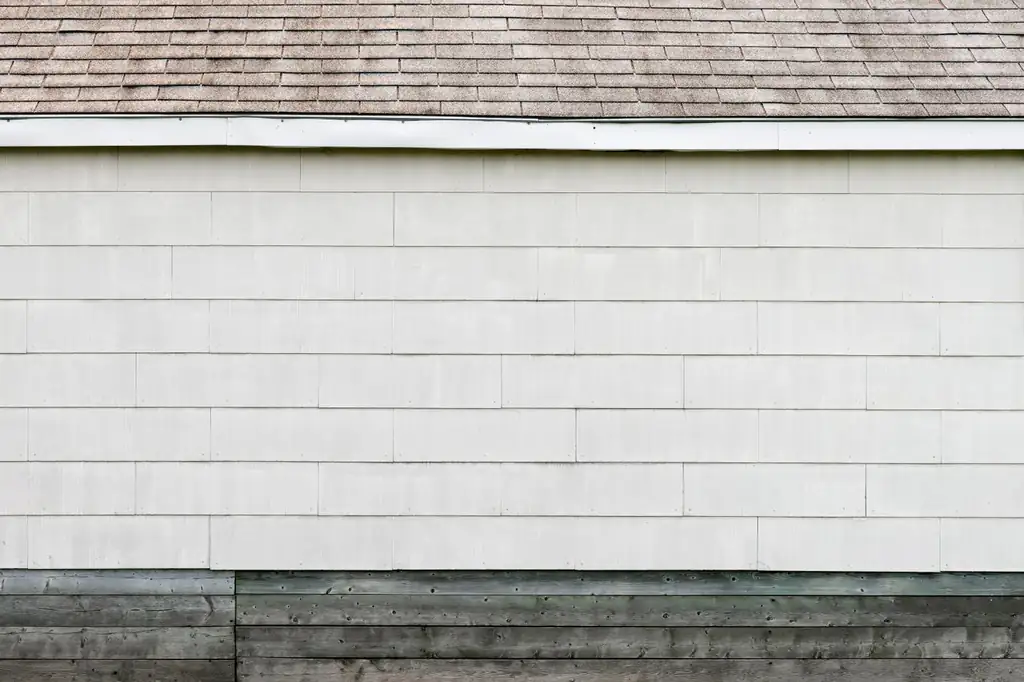
Soft washing cleans with low-pressure water plus a cleaning solution that does the work chemically, killing algae, mildew and mold rather than blasting them off. It is the safe method for roofs, siding and other surfaces high pressure would damage.
Soft washing is the answer to a problem that pressure washing keeps causing: how do you clean a delicate surface without the force that ruins it? Instead of blasting grime away with high-velocity water, soft washing applies a cleaning solution at low pressure and lets chemistry do the work. The solution kills algae, mildew and mold, then a gentle rinse carries it off. Because it relies on the cleaner rather than force, it is the right method for roofs, siding and every surface that high pressure would strip, gouge or drive water behind. This guide explains how it works, where it belongs, and why it keeps things cleaner longer.
The whole idea rests on a simple swap: replace mechanical force with chemical action.
A pressure washer cleans by hitting a surface with a fast, concentrated stream of water. That works on tough, flat surfaces, but the same force dents thin metal, etches wood, erodes mortar and strips roof granules. Anything not tough enough to take the blast gets damaged.
Soft washing removes the force from the equation. A cleaning solution, typically a detergent combined with a mildewcide suited to the growth, is applied at low pressure and given time to dwell. During that dwell time the solution does the actual cleaning: it kills the living algae, mildew and mold and loosens the bond between the grime and the surface. Then the surface is rinsed at low pressure, and the dead growth and dirt wash away.
The pressure at the surface during a true soft wash is closer to a strong garden hose than a pressure washer. The cleaning is happening in the chemistry, not the nozzle. That is the entire distinction, and it is what makes the method safe for things force would harm. For a side-by-side breakdown, see power washing vs soft washing.
Soft washing is not merely a gentler option; on many surfaces it is the only safe one.
Roofs are the clearest example. Pressure washing asphalt shingles strips the granules that protect them and can void warranties and force water underneath, so the black algae streaks and moss on a roof call for soft washing, not force. The full approach is covered in how to remove roof algae and moss.
Siding is another. Vinyl, in particular, can be cracked by high pressure and will let water in behind it if you blast at the wrong angle, so most siding is a soft-wash surface. Wood siding, painted surfaces, stucco and delicate architectural details all fall on the gentle side too.
More broadly, if a surface is thin, painted, porous, soft, or has seams that water can get behind, soft washing is the safer call. Concrete driveways and patios are among the few surfaces genuinely built to take higher pressure, which is why they get their own approach in the driveway and patio cleaning guide. Almost everything vertical on a house leans toward soft.
"Soft" describes the water pressure, not the chemicals. Some soft-wash solutions are mild, others are considerably stronger, and the runoff can harm plants regardless. Gentle on the surface does not mean gentle on your landscaping, so plant protection stays essential.
One of soft washing’s real advantages is not obvious in the moment: results that last longer.
The reason is biological. Algae, mildew, moss and mold are living organisms with roots, threads and spores that reach into and across a surface. When you blast them off with pressure, you remove the visible growth but often leave the living base behind. That base regrows, and the surface greens up again before long.
A soft-wash solution is formulated to kill the growth rather than just displace it. When the organism is actually killed down into the surface, there is far less living material left to regrow from, so the surface stays clean noticeably longer than a pressure-blasted one.
It is worth being honest about the limits. Nothing makes a surface permanently growth-proof. New spores are always landing, and shade and moisture will eventually let growth return. But killing the growth buys more time than knocking it off, which is why a soft wash often outlasts a pressure wash on the same wall.
Pressure washing carries real risks. High-pressure spray can injure, wet surfaces cause falls, and water near power lines is dangerous. Roof and second-story work is best left to professionals.
| Aspect | Soft washing | Pressure washing |
|---|---|---|
| What does the cleaning | A chemical solution | High-velocity water |
| Pressure at the surface | Low, closer to a garden hose | High and concentrated |
| Best for | Roofs, siding, stucco, painted and delicate surfaces | Concrete, brick pavers, tough flat hardscape |
| Effect on growth | Kills it, so it regrows slower | Knocks off the visible part, roots often remain |
| Main risk | Chemical runoff harming plants | Force damaging the surface |
| How long results last | Generally longer | Often shorter on organic growth |
Soft washing solves the pressure-washing problem by changing what does the work. Trade the high-velocity stream for a cleaning solution and low-pressure rinse, and suddenly the surfaces that force ruins, roofs, siding, stucco, paint, become cleanable without harm. Because the solution kills the growth instead of just knocking it loose, the results tend to last longer too. The one thing “soft” does not cover is the chemistry, so protect your plants and respect the labels. And remember that a gentle method does not make a high roof a safe place to stand; the safest soft wash is often the one you leave to professionals equipped for height.
FAQ
Pressure washing removes grime with mechanical force, a high-velocity stream of water that physically knocks dirt and growth off a surface. Soft washing removes it chemically, applying a cleaning solution at low pressure that kills and loosens algae, mildew and mold so it can be rinsed away gently. The core difference is what does the work. In pressure washing the water does it and the surface has to be tough enough to take the force. In soft washing the solution does it, so delicate surfaces stay unharmed.
Because it kills the organism rather than just knocking the visible part off. Algae, mildew and mold have roots and spores that a physical blast often leaves behind, so growth regrows from what remains and comes back quickly. A soft-wash solution is designed to kill that growth down into the surface, so there is less living material left to regrow. It is not permanent, and nothing stops new spores from landing, but a wall that was truly killed off tends to stay clean longer than one that was merely blasted.
It is the appropriate method for a roof, whereas high pressure is not. Pressure washing a shingle roof strips away the protective granules, voids many warranties and can force water under the shingles, so it is one of the clearest cases where force does real damage. Soft washing cleans the algae and moss chemically without that force. That said, being on a roof at all is dangerous work, so the actual application on a steep or high roof is usually best handled by professionals even though the method itself is gentle.
Ground-level and single-story work with a suitable cleaner and a low-pressure setup is within reach for many homeowners, provided you protect plants, follow the product label and keep the pressure genuinely low. The complications are height and chemicals. Anything requiring a ladder or roof access adds real fall risk, and stronger cleaning solutions demand care in handling and in shielding landscaping. Know your limits, and hand off the high or chemical-heavy parts if they exceed your comfort.
The solutions vary. Many soft-wash mixes are relatively mild detergents and mildewcides, while others are stronger, and the right one depends on the surface and the growth. Whatever the strength, the runoff can harm plants, so protecting landscaping by pre-wetting, covering and rinsing is part of doing it responsibly. Follow the product's label for dilution, dwell time and safety, and never mix cleaning products, since some combinations produce dangerous gases.
It can if you are careless, because the runoff carries the cleaning solution onto whatever is below and around the wall. That is why plant protection is a standard part of the process rather than an afterthought. Pre-wetting plants so their leaves and roots take up clean water first, covering the ones you cannot move, working during cooler parts of the day and rinsing thoroughly afterward all reduce the risk. Done with those precautions, soft washing and healthy landscaping coexist fine.
In principle it is the same idea, apply a cleaning solution, let it work, and rinse gently, which is why the boundary between careful hand cleaning and soft washing is blurry. The difference is mostly equipment and scale. Soft washing typically uses low-pressure spray equipment to apply the solution evenly across large surfaces like a whole wall or roof, and a mix tuned to the growth. The underlying logic, chemistry over force, is identical to wiping a solution onto a small area by hand.
Keep reading
Clean vinyl siding safely with a soft brush and mild solution — the bottom-to-top method, why to keep pressure low, and how to remove mildew without soaking the wall.
Remove exterior mildew for good — kill the growth with a gentle cleaning solution, then fix the gutters, drainage or shade keeping the surface damp.
Power washing uses high pressure; soft washing uses low pressure plus cleaning solutions. Here is which method suits which surface, and why pressure damages siding.