Soft Washing Explained
Soft washing uses a cleaning solution and low pressure to kill algae and mildew instead of blasting them. Learn how it works and where it fits.
Exterior Cleaning
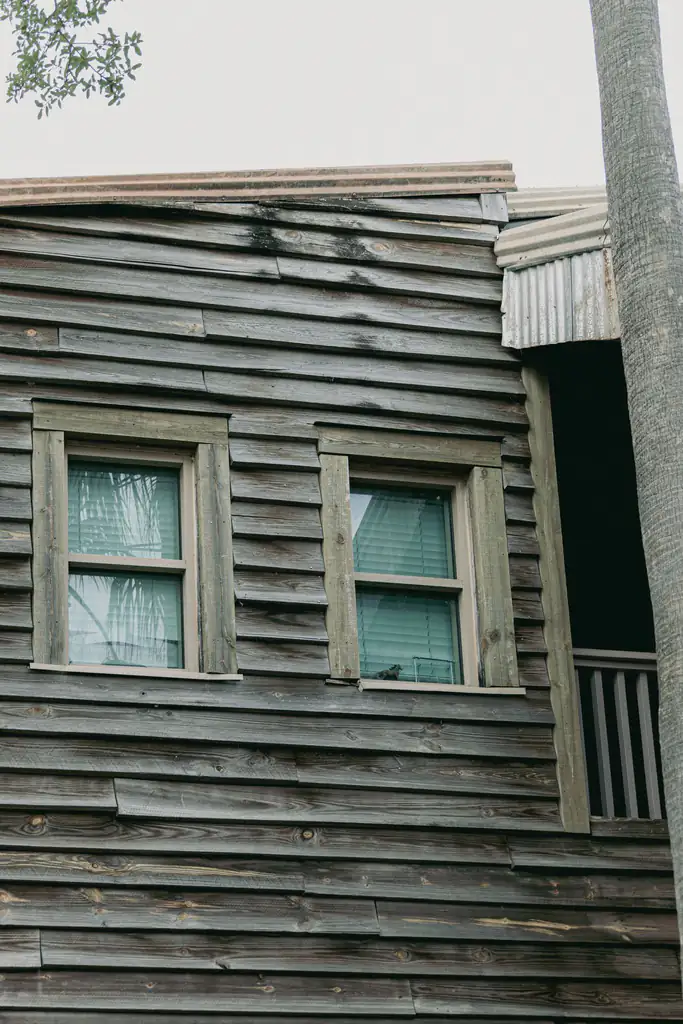
Exterior mildew grows where surfaces stay damp and shaded. Removing it means a cleaning solution that kills the growth plus fixing the moisture that feeds it — often a drainage, gutter or shade problem — so it doesn't come right back.
Exterior mildew is a moisture problem wearing a stain. It grows anywhere a surface stays damp and shaded, so removing it takes two steps that go together: a cleaning solution that kills the growth, and a fix for whatever keeps the surface wet — usually a gutter, drainage, or shade issue. Skip the second step and the mildew is back within a season.
Mildew is not random. It colonizes the parts of a house that dry out slowest: north-facing walls, shaded eaves, the base of siding near splashback, fence panels under trees, and anything downstream of a leak or overflow. It shows up as flat, powdery black or gray spotting, sometimes with a faint musty smell.
The common thread is always moisture plus shade. Sun and airflow dry a surface quickly and mildew struggles to establish. Deep shade and poor air movement leave a surface damp for hours or days after rain, and that lingering dampness is all mildew needs. That is why you can clean one wall spotless while the shaded side keeps growing film — the difference is not how dirty they get, it is how long they stay wet.
The cleaning itself is straightforward, and it does not require force. Mildew is killed by the right cleaning solution, not by pressure. Apply a cleaner suited to the surface, give it time to dwell so the chemistry can work, then rinse at low pressure. On most of the house, that means soft-washing — the gentle approach covered in power washing versus soft washing — because siding, wood, and painted trim are all damaged by high pressure. Blasting mildew accomplishes nothing the solution does not do more safely.
Pressure washing carries real risks. High-pressure spray can injure, wet surfaces cause falls, and water near power lines and outlets is dangerous. Roof and second-story work is best left to professionals.
Work top-down on walls, keep a soft brush handy for stubborn patches, and let dwell time carry the effort rather than scrubbing hard. Reserve real pressure for hardscape like concrete, never for the house itself.
Cleaning solutions that kill mildew can also harm plants and lawn when they run off. Wet plants with plain water before you start, cover them where practical, rinse them afterward, and follow the product label and any local guidance on runoff.
This is the step that actually solves the problem, and it is the one people skip. Mildew is a symptom; the disease is a surface that will not dry. Track down why it stays wet:
| Where mildew appears | Likely moisture source | The real fix |
|---|---|---|
| Below a downspout or eave | Overflowing or leaking gutter | Clear or repair the gutter run |
| Base of siding | Splashback, poor grading | Improve drainage away from the wall |
| North / shaded wall | Slow drying, low airflow | Trim vegetation, open up light and air |
| Fence under trees | Constant shade and damp | Increase sun exposure, reduce overhang |
| Near ground level | Standing water, wet soil | Redirect water, fix pooling |
The pattern to notice: in every case the cleaning is the easy part and identical, while the durable fix is different because the moisture source is different. Match the fix to the source and the mildew stops coming back.
Think of exterior mildew as a helpful indicator rather than just an eyesore. It marks exactly where your home holds moisture. Clean it off with a gentle solution, then follow the stain back to its source — a gutter, a drainage path, a patch of stubborn shade — and fix that. Do both and the surface stays clean because it finally gets a chance to dry.
FAQ
In everyday use the terms overlap. Exterior mildew usually refers to the flat, powdery black or gray spotting you see on shaded, damp siding, eaves, and fences. What matters more than the label is the cause: both need moisture to grow, so both come back unless you dry the surface out.
Apply a cleaning solution that kills the growth, let it dwell so the chemistry does the work, then rinse at low pressure. High pressure is unnecessary and risky on most surfaces. The cleaning removes what is there now; drying out the surface is what keeps it gone.
Because the moisture that feeds it is still there. If a surface stays damp and shaded — from overflowing gutters, poor drainage, splashback, or heavy tree cover — mildew simply regrows. Lasting results come from fixing that moisture source, not from cleaning more often.
Usually you should not. Most house surfaces — siding, wood, painted trim — are damaged by high pressure, and force is not what kills mildew anyway. A cleaning solution does the killing; a gentle low-pressure rinse carries it away. Save real pressure for hardscape only.
They can, indirectly. Gutters that overflow or leak keep the wall, fascia, and ground below constantly wet, and that persistent dampness is exactly what mildew needs. Recurring mildew along a particular downspout or eave is a strong hint to inspect the gutters there.
Wet nearby plants and grass with plain water before applying any cleaning solution, cover them where practical, and rinse them again afterward. Pre-wetting dilutes drips and reduces leaf burn. Always follow the product label and any local guidance about runoff.
Yes. Mildew favors shaded, slow-drying surfaces. Trimming back branches and shrubs so more light and air reach a wall or fence helps it dry between rains, which makes the surface far less hospitable. Airflow and drying are among the most effective long-term preventives.
It can be. Mildew is essentially a visible moisture indicator. Where it appears tells you where a surface stays wet — and that may point to a drainage issue, a gutter problem, or splashback that is worth addressing before it causes rot or interior damage.
Keep reading
Soft washing uses a cleaning solution and low pressure to kill algae and mildew instead of blasting them. Learn how it works and where it fits.
Clean vinyl siding safely with a soft brush and mild solution — the bottom-to-top method, why to keep pressure low, and how to remove mildew without soaking the wall.
Tell roof algae from moss, why both matter, and how to clean them with gentle soft-washing instead of a pressure washer that ruins shingles.