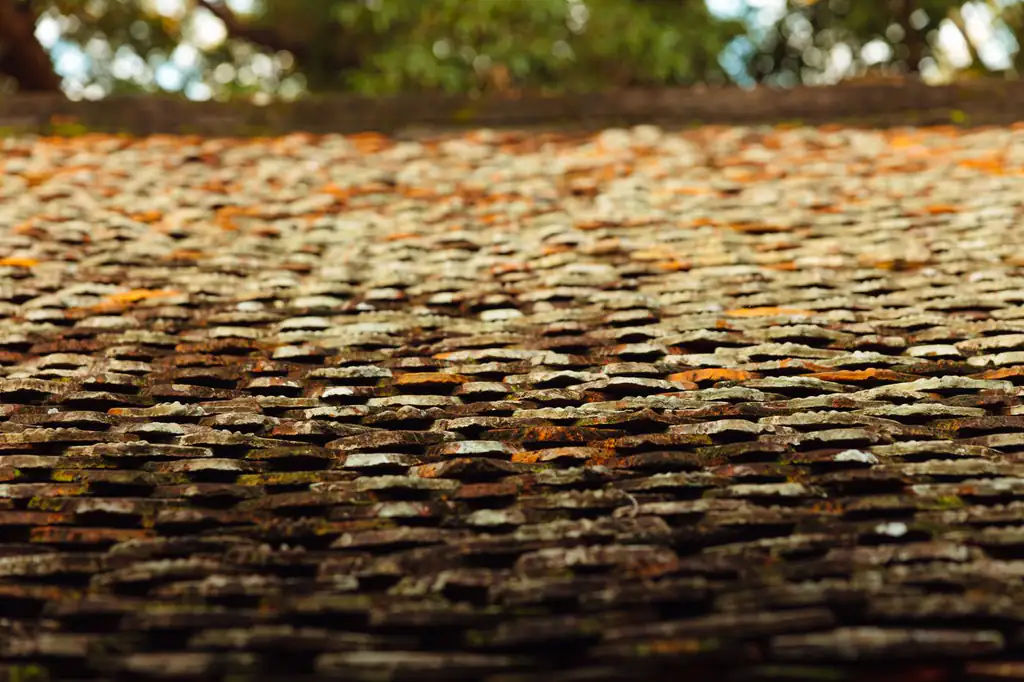
How to Clean a Roof Safely
How to clean a roof safely — why pressure washing ruins shingles, why soft washing is the only correct method, and how to manage the real danger, which is height.
Exterior Cleaning

Clean a wood deck with a deck cleaner, a stiff brush, and a low-pressure rinse — not a high-pressure blast, which raises the grain and gouges the soft wood between the grain lines. Sweep and clear the gaps first, work with the boards, let the deck dry fully, and time any resealing for mild, dry weather so the finish can cure.
Clean a wood deck with a deck cleaner, a stiff brush, and a low-pressure rinse — and resist the temptation to blast it with a pressure washer. High pressure raises the grain and gouges the soft wood between the grain lines, leaving a fuzzy, furrowed surface that then needs sanding to fix. Sweep the boards and clear the gaps first, work a section at a time along the boards, let the deck dry fully, and save any resealing for a stretch of mild, dry weather. Done gently, the job restores the wood without damaging it.
Wood is not concrete. Its surface is a mix of harder grain lines and softer wood in between, and a high-pressure stream cuts into that softer wood unevenly. The result is a raised, fuzzy grain and shallow furrows that look worse than the dirt you started with and usually need sanding to smooth out. Pressure can also drive water deep into the boards and force it under railings and flashing.
The gentler, more reliable approach is closer to soft-washing: let a deck cleaner loosen the grime and growth, do the mechanical work with a stiff brush, and rinse at low pressure. The same solution-first logic behind soft washing protects the wood while still getting it clean. If you do reach for a pressure washer, the cautions in the best time of year to pressure wash apply — use a wide fan tip, keep it moving, hold it well back, and always follow the direction of the boards.
A wet deck is slippery. Move carefully, wear grippy footwear, and keep hoses and tools clear so they do not become trip hazards. On a raised deck, mind the edges and railings, and keep cleaning solutions and rinse water away from surrounding plants and any nearby water inlets.
Two problems account for most dirty decks. Gray weathering is sun-and-water damage to the surface fibers; a brightening deck cleaner restores much of the original color. Green film and black spotting are algae and mildew, which thrive on damp, shaded boards — these need a cleaner that kills the organism, not just a scrub, or they return within weeks. The principle mirrors cleaning wood decks and fences: match the cleaner to what you actually see, and treat living growth as something to kill at the source.
Whatever product you choose, test it on a hidden section first and follow the label on dilution, dwell time, and runoff.
Deck cleaners can scorch foundation plants and lawn. Wet surrounding vegetation with plain water before you begin, rinse it again afterward, and follow the product label and any local guidance on chemical runoff.
Cleaning opens the door to resealing, but timing is everything. The wood must be thoroughly dry — often a couple of dry days, longer in humid weather — before you seal or stain, or the finish will not bond and can trap moisture in the boards. Plan the whole project around a stretch of mild, dry weather so the finish has time to cure. Rushing the sealer onto a still-damp deck is one of the most common ways a good cleaning job gets undone.
A deck stays cleaner and lasts longer when water drains and the boards dry between rains. Keep the gaps clear, sweep off leaves that hold moisture, improve airflow around shaded sections where you can, and fold a gentle annual cleaning into your seasonal routine with resealing every few years. Cleaned with a brush and a cleaner rather than brute force, a wood deck comes back bright without paying for it in raised grain and sanding.
FAQ
You can, but it is easy to do harm. High pressure raises the wood grain and gouges the soft, lighter wood between the harder grain lines, leaving a fuzzy, furrowed surface that then needs sanding. If you use a pressure washer at all, use a wide fan tip, keep it moving, hold it well back, and follow the direction of the boards. A deck cleaner and a stiff brush are safer.
A dedicated deck cleaner is formulated for the job, and different products target different problems — general grime, gray weathering, or mildew and algae. Match the cleaner to what you see on the boards, test it on a hidden area first, and follow the label on dwell time and dilution.
Green film and black spotting are usually algae and mildew, which thrive on damp, shaded decks. A deck cleaner that kills the organism, given dwell time and then scrubbed and rinsed, removes it at the source. Scrubbing alone leaves the growth to return, and it comes back fastest in shaded, poorly ventilated spots.
Yes. Debris packed in the gaps holds moisture against the board edges and end grain, which is where rot starts. Clear the gaps with a putty knife or a narrow tool before you wash so water drains freely and the wood can dry out after cleaning.
The wood needs to be thoroughly dry — often a couple of days of dry weather, longer in humid conditions — before sealing or staining, or the finish will not bond and can trap moisture. Check the product directions, and time the work for a stretch of mild, dry weather so the finish can cure properly.
Once a year is a reasonable baseline, usually as part of a seasonal exterior routine, with resealing every few years depending on the finish and exposure. Shaded, damp, or heavily used decks that gray or grow mildew quickly may need cleaning more often.
A wet deck is slippery, so move carefully, wear grippy footwear, and keep tools and hoses from becoming trip hazards. Keep cleaning solutions away from surrounding plants, and if your deck is raised, mind the edges and any railings while you work.
Keep reading
How to clean a roof safely — why pressure washing ruins shingles, why soft washing is the only correct method, and how to manage the real danger, which is height.
Clean vinyl siding safely with a soft brush and mild solution — the bottom-to-top method, why to keep pressure low, and how to remove mildew without soaking the wall.
Soft wash vs pressure wash compared — how each works, which surfaces suit which method, and why the wrong choice can strip granules, gouge wood, or force water inside.