Power Washing vs Soft Washing — Which One and When
Power washing uses high pressure; soft washing uses low pressure plus cleaning solutions. Here is which method suits which surface, and why pressure damages siding.
Exterior Cleaning
The difference is force versus chemistry. Pressure washing uses high-pressure water to blast grime off hard surfaces; soft washing uses a low-pressure spray and a cleaning solution that kills algae and mildew at the source. Match the method to the surface — high pressure ruins shingles, siding, and wood, while soft washing does no harm to concrete but works more slowly on ground-in dirt.
The short answer: pressure washing cleans with force, soft washing cleans with chemistry. Pressure washing blasts grime off hard, durable surfaces with a high-pressure stream. Soft washing applies a cleaning solution at low pressure — about the force of a garden hose — to kill algae, mildew, and moss, then rinses them away gently. The right choice depends entirely on the surface, and using the wrong one is how homeowners strip shingles, gouge wood, and force water where it should not go.
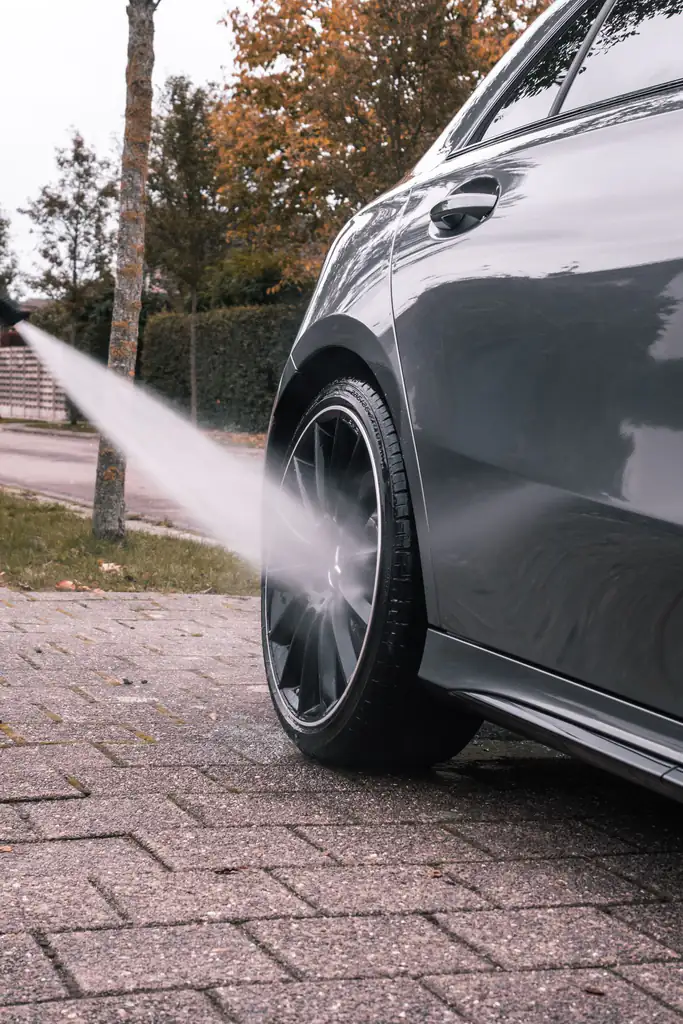
Pressure washing uses a pump to deliver water at high pressure through a narrow nozzle. The cleaning is mechanical: the moving water physically dislodges dirt, stains, and loose material. It is fast and effective on tough surfaces, but the same force that removes grime also removes granules, wood fibers, paint, and mortar if aimed at something softer than concrete.
Soft washing turns the job over to chemistry. A low-pressure spray coats the surface with a cleaning solution — commonly a diluted sodium hypochlorite blend with surfactants — that kills the living organisms causing the staining. After a dwell time, a gentle rinse carries the dead material away. Because it targets the organism rather than just the visible layer, regrowth is slower. The full mechanics are covered in soft washing explained, which is worth reading before your first attempt.
| Factor | Pressure washing | Soft washing |
|---|---|---|
| Cleaning force | High pressure, mechanical | Low pressure, chemical |
| Best for | Concrete, patios, unsealed masonry | Roofs, siding, wood, stucco, screens |
| Removes | Ground-in dirt, mud, surface grime | Algae, mildew, moss, biological stains |
| Speed on hard dirt | Fast | Slower — relies on dwell time |
| Longevity on growth | Shorter — knocks off the surface layer | Longer — kills the organism |
| Main risk | Stripping, gouging, water intrusion | Plant and lawn damage from runoff |
This is where most decisions get made. The question is not which method is “better” — it is which method the surface can survive.
A useful rule: if the stain is a living thing (green, black, or slimy), lean toward soft washing; if it is ground-in dirt on a hard surface, pressure washing is fair game. The broader list of surfaces to keep away from a pressure washer is spelled out in what not to pressure wash.
When a surface falls in the gray zone — sealed concrete with some algae, brick with green in the shaded mortar joints, composite decking — default to the gentler method and escalate only if it falls short. It is far easier to follow a soft wash with a careful pressure pass than to undo the damage of over-pressuring. Start low, test a small area, and let the surface tell you how much it needs. The cost of starting too gentle is a little extra time; the cost of starting too aggressive is a repair.
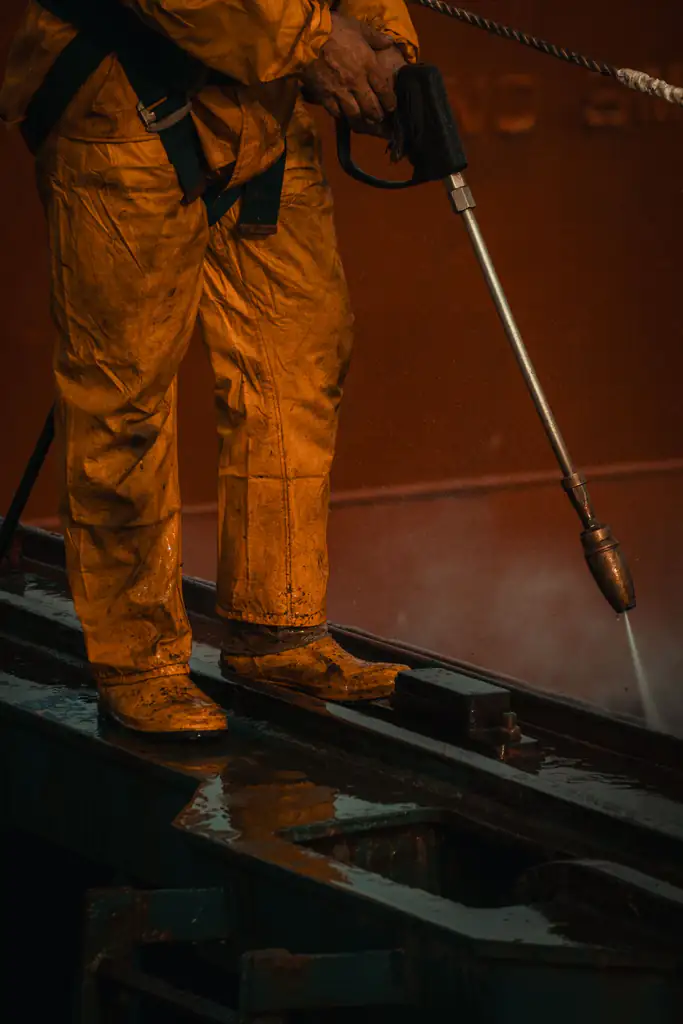
High-pressure spray is genuinely hazardous. It can cut skin, throw debris, and cause falls off wet ladders and roofs, and water near power lines and outlets is dangerous. Never point a pressure washer at people, animals, windows, or electrical fixtures, and leave roof and second-story work to professionals.
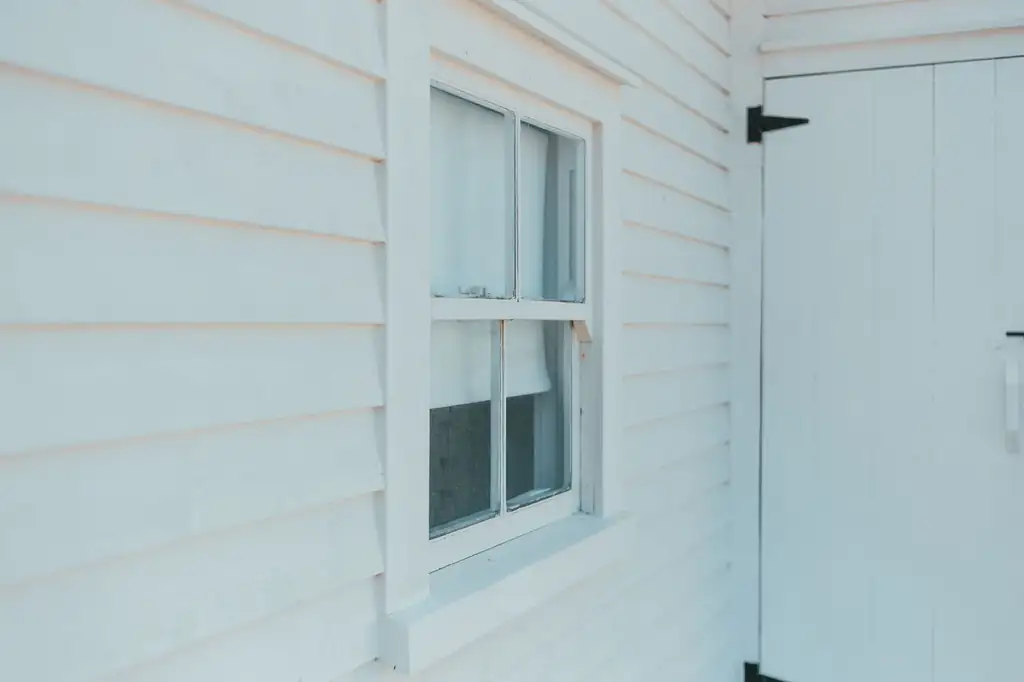
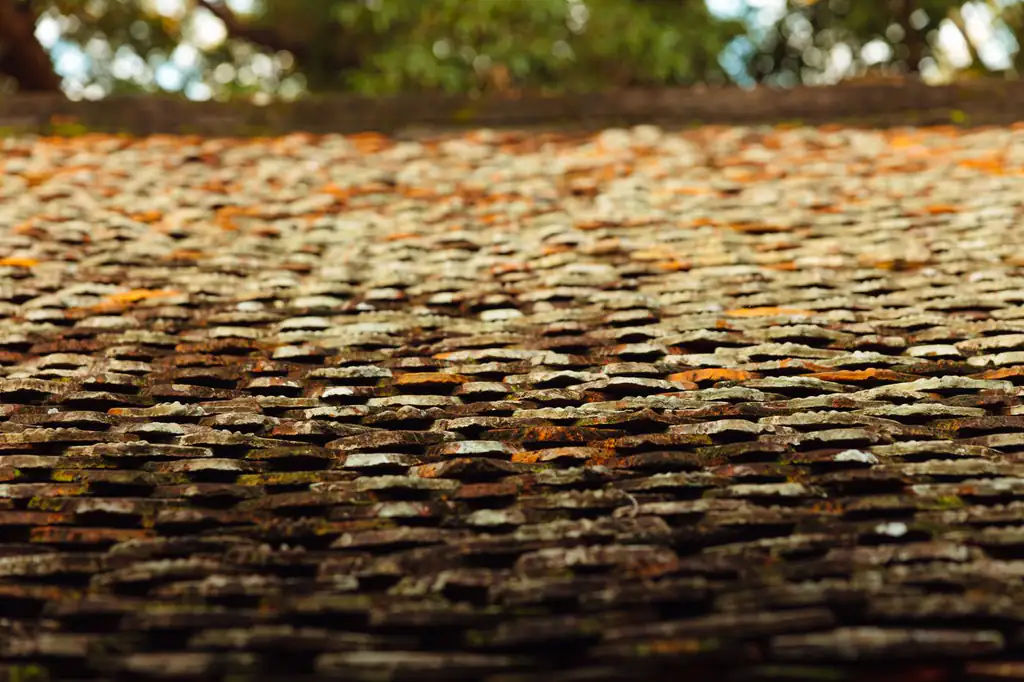
The most expensive exterior-cleaning mistakes come from using high pressure on a surface that cannot take it. Stripped shingle granules shorten a roof’s life. Water forced behind siding or up under shingles can reach the wall cavity and cause hidden rot and mold. Gouged wood needs sanding or replacement. Blown-out mortar undermines a wall. Many of these are covered in pressure washing mistakes to avoid, and nearly all of them trace back to the same error: reaching for force when the surface needed chemistry.
Soft-wash solutions can scorch foundation plants and lawn. Wet surrounding vegetation with plain water before you start, rinse it again afterward, and follow the product label and any local guidance on chemical runoff and dilution.
The same machine can soft-wash or pressure-wash depending on how you set it up and how you use it. Two variables do most of the work: the nozzle and the distance. A narrow, high-angle tip concentrates force into a small point and is the most damaging; a wide fan tip spreads that force out and is far gentler. Distance matters just as much — the closer the tip, the more force lands on the surface, so backing off a couple of feet can turn a gouging stream into a safe rinse.
For soft washing, the water pressure is deliberately low and a downstream injector pulls cleaning solution into the stream. The chemistry, not the water, does the cleaning, so the spray only needs to coat and later rinse. That is why soft washing works on delicate surfaces that would never survive a concentrated jet: the force never gets high enough to strip, gouge, or intrude.
For most homes, the answer is both — matched to each surface. A typical exterior clean soft-washes the roof and siding and pressure-washes the driveway and patio in the same session. The skill is not owning one machine or the other; it is knowing which surface gets which treatment.
If you take one idea away, let it be this: force is a tool, not a default. Reach for high pressure only on hard surfaces holding physical dirt, and reach for a soft-wash solution whenever the stain is alive or the surface is delicate. Get that matching right and you clean effectively without trading a clean house for an expensive repair.
FAQ
Pressure washing relies on force — a high-pressure stream of water that physically blasts dirt off a hard surface. Soft washing relies on chemistry — a low-pressure spray, roughly the force of a garden hose, that applies a cleaning solution to kill algae, mildew, and moss, then rinses gently. One removes grime mechanically; the other kills the growth and lets it wash away.
Anything that high pressure can damage or drive water into: roof shingles, vinyl and painted siding, stucco, wood decks and fences, screens, and older mortar. Soft washing cleans these without stripping granules, gouging fibers, or forcing water behind the surface.
On hard, durable surfaces where the dirt is physical rather than biological — concrete driveways, patios, unsealed masonry, and brick in good condition. For ground-in dirt on these surfaces, high pressure removes it faster than a chemical soak would.
Yes. Too much pressure strips shingle granules, cracks or dents siding, gouges soft wood, blows out mortar, and forces water behind siding and up under shingles where it can reach the wall cavity. Damage from over-pressuring is one of the most common and expensive exterior-cleaning mistakes.
Soft-wash solutions commonly include sodium hypochlorite (the active ingredient in household bleach) along with surfactants, though products vary. Because these solutions can harm plants and lawn, you wet surrounding vegetation before starting, rinse it afterward, and follow the product label on dilution and runoff.
For biological growth like algae and mildew, yes — because soft washing kills the organism rather than just knocking it off the surface, regrowth is slower. A pressure wash that only removes the visible layer often lets the growth return sooner if the underlying spores survive.
That is normal. Many homes get a soft wash on the roof and siding and a pressure wash on the concrete driveway and patio in the same visit. The skill is matching each method to each surface rather than using one setting everywhere.
Keep reading
Power washing uses high pressure; soft washing uses low pressure plus cleaning solutions. Here is which method suits which surface, and why pressure damages siding.
DIY or hire a pro for pressure washing? A comparison by surface, height, and risk — when driveway cleaning is a safe weekend job and when height and siding call for a professional.
Clean a wood deck without wrecking the boards — why to skip high pressure, the brush-and-cleaner method, drying time, and how to time resealing.