Ice in Gutters and Downspouts
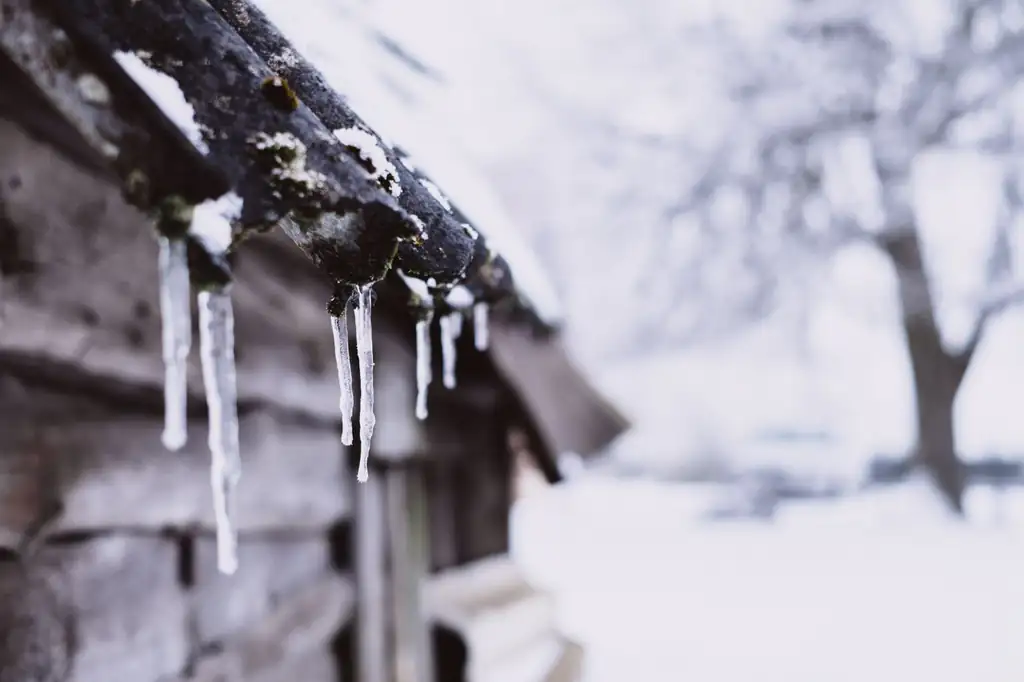
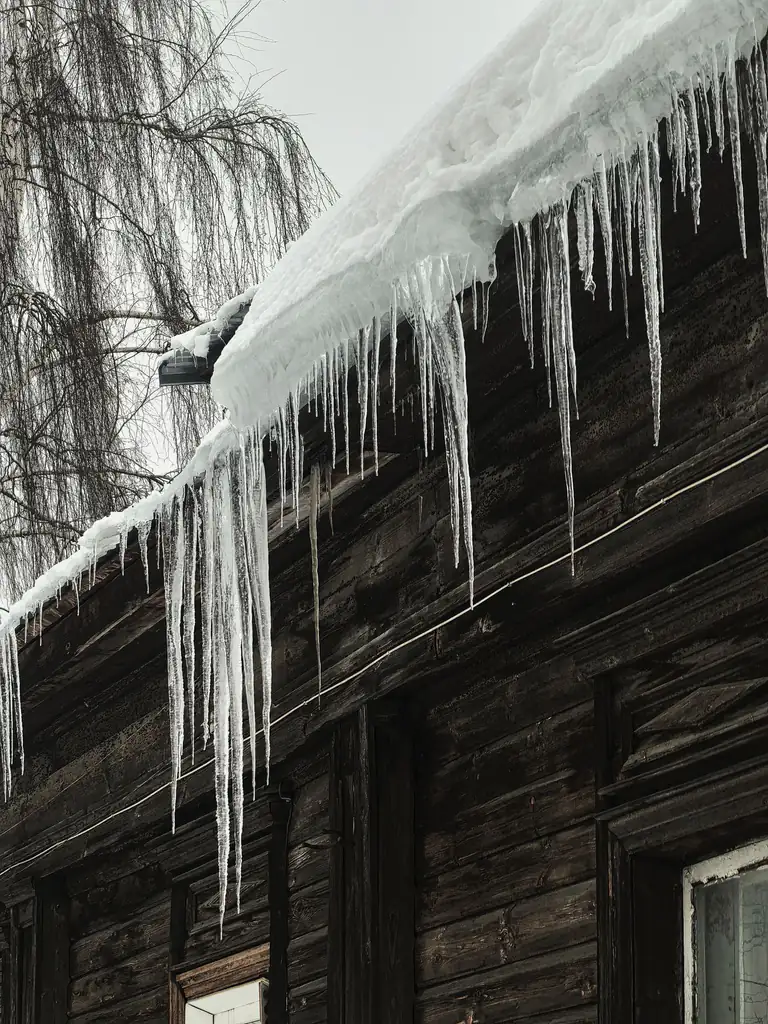
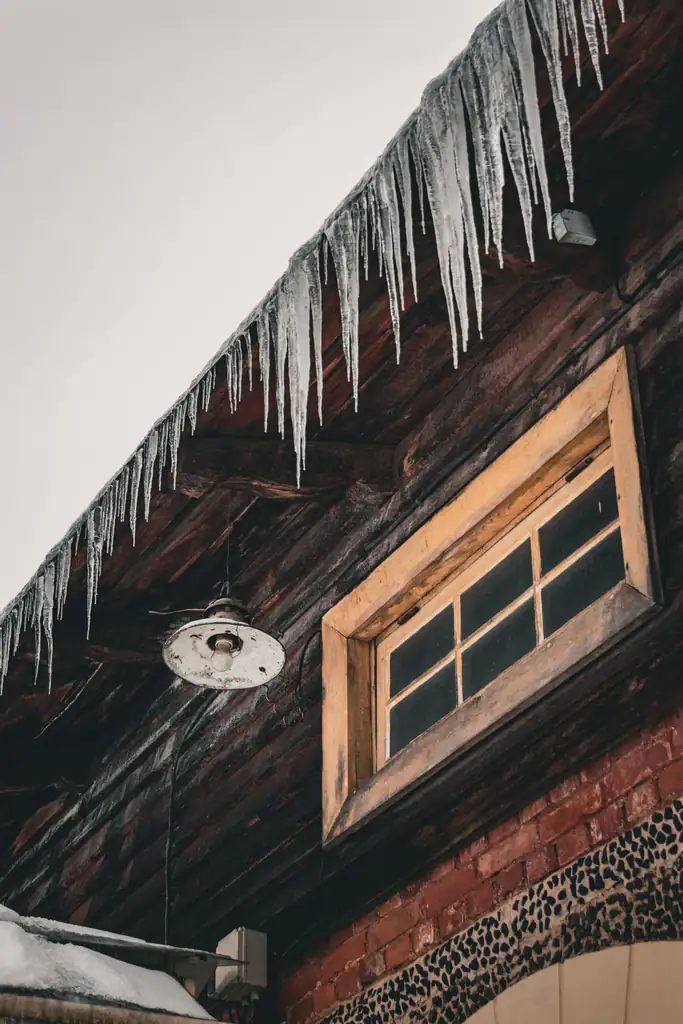
Why gutters and downspouts fill with ice — clogs, poor slope, and meltwater refreezing at the cold eave. The weight risk, and the real fixes for a symptom.
Ice Dams & Winter Water
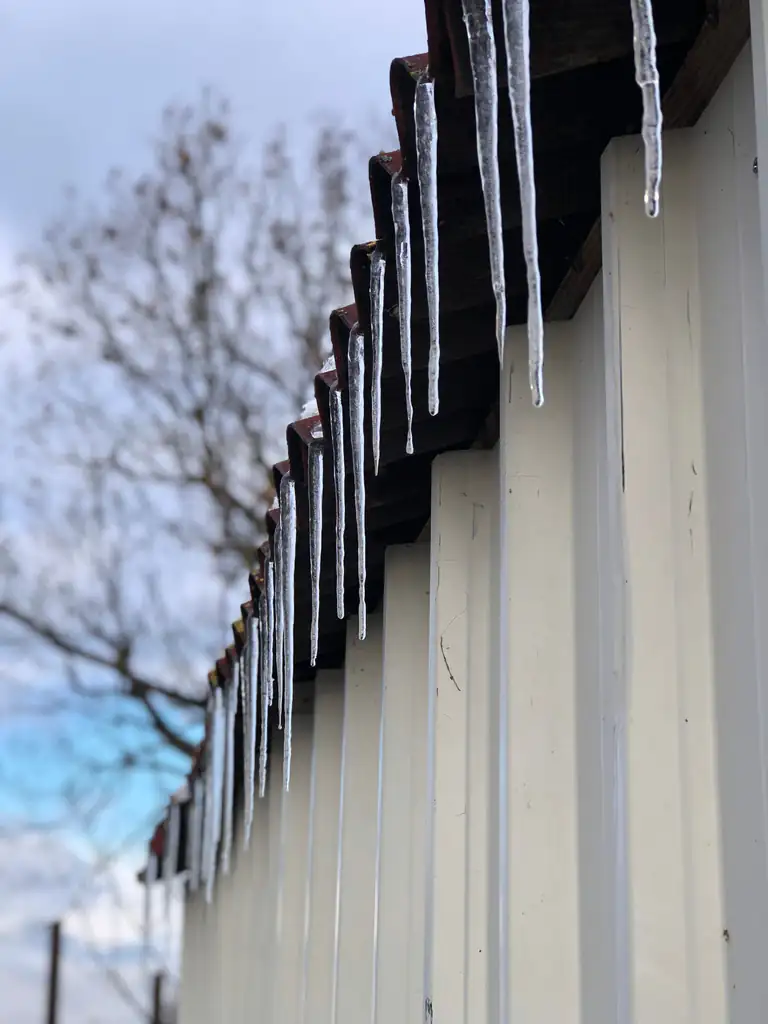
Gutters do not cause ice dams — a warm roof does. Ice dams form from heat escaping the roof and melting snow that refreezes at the cold eave, with or without gutters. Gutters just fill with ice too, so removing them does not fix the problem.
Gutters get blamed for ice dams constantly, and the blame is misplaced. A warm roof causes ice dams, not the gutter hanging under it. Snow melts because heat escapes the roof, the water runs down to the cold eave and refreezes into a ridge — and that happens whether a gutter is there or not. Gutters do fill with ice, which makes them look guilty, but tearing them off does not solve anything.
The myth is intuitive: you see a gutter packed with solid ice and giant icicles, so it seems like the gutter is holding the ice and causing the leak. But the gutter is where the ice ends up, not where it comes from.
Here is the actual mechanism. In winter, the upper part of your roof is often warmer than the overhang, because the living space and attic heat below it warm the roof deck. Snow on that warmer area melts. The meltwater trickles down the slope until it reaches the eave — the overhang, which hangs out past the heated walls and stays at outdoor temperature. There, with nothing warm beneath it, the water refreezes. Repeat this over a freeze-thaw cycle and the refrozen ice builds into a dam. Water pools behind it, and that pooled water is what backs up under shingles and leaks.
Notice what is missing from that description: gutters. The eave refreezes whether or not a gutter is bolted to it. The gutter simply catches some of the ice and makes the pile more visible.
If gutters caused ice dams, houses without gutters would not get them. They do. Cabins, older homes, and buildings with no gutters at all form ice dams on the eave in exactly the same way, because the cold overhang is still there doing the refreezing.
Removing your gutters throws away their real job — directing rainwater away from the foundation the other three seasons of the year — while doing nothing about the warm roof. You would trade a functioning drainage component for a false sense of a fix. The ice would still form; it just would not have a gutter to sit in.
Gutters are innocent, but they are not irrelevant. Ice-choked gutters and downspouts create their own problems — they hold water, can be damaged by the ice weight, and give meltwater nowhere to drain. That is a real issue worth managing, covered in ice in gutters and downspouts. It is a consequence of the dam, though, not the cause of it.
Because the cause is a warm roof, the fix is keeping the roof cold. That work happens in the attic, not on the gutter:
Together these keep the whole roof closer to a uniform cold temperature, so snow does not melt on the upper roof and refreeze at the eave. Our guides on preventing ice dams and attic insulation and ventilation go into the details.
| The myth says | The reality is |
|---|---|
| Gutters cause ice dams | A warm roof melting snow causes ice dams |
| No gutters, no ice dams | Gutterless roofs still form dams at the cold eave |
| The ice in the gutter is the problem | The ice in the gutter is a symptom of roof heat |
| Bigger or new gutters will fix it | Gutter size and age do not change roof heat loss |
| Gutter guards prevent ice dams | Guards manage leaves, not roof melting |
| The fix is on the roof edge | The fix is in the attic — sealing, insulation, ventilation |
Treat this as a general framing rather than a promise about any one house; roofs and climates differ, and stubborn spots may need extra attention.
None of this means gutters are unimportant in winter. Clean, well-draining gutters and downspouts handle autumn rain and keep water moving, which is sound seasonal maintenance — see winter gutter maintenance. Clogged gutters that hold standing water going into a freeze create frozen-line headaches of their own. So maintain your gutters; just do not expect gutter work to cure ice dams. The two problems overlap at the eave but have different root causes.
Gutters do not cause ice dams — a warm roof does. The eave refreezes meltwater with or without a gutter, so removing gutters solves nothing and costs you the drainage they provide the rest of the year. If you want fewer ice dams, look up and behind the roof surface into the attic: seal the leaks, add insulation, and get the ventilation moving. Keep the gutters, keep them clean, and stop blaming them for a problem that starts well above them.
FAQ
No. Ice dams form from heat escaping the roof and melting snow that refreezes at the cold eave. That happens whether or not a gutter is there. Gutters fill with ice too, but they are not the cause.
No. Homes without gutters still get ice dams, because the eave is still the cold spot where meltwater refreezes. Removing gutters loses their normal job of directing rainwater away and does not address the warm roof.
Because meltwater running off a warm roof reaches the cold edge, pools in the gutter, and freezes. The gutter is where the ice collects, but the melting happens up on the roof.
Neither reliably. Gutter guards manage leaves, not roof heat. They do not cause ice dams and they do not fix them; the roof still melts snow the same way.
Keeping the roof cold: sealing attic air leaks, adding insulation, and improving ventilation so heat does not reach the roof deck. That is the real fix, not anything about the gutters themselves.
Yes, but for a different reason. Clean, well-draining gutters handle autumn rain and keep water moving, which is good maintenance. It is not an ice-dam cure, but clogged gutters and downspouts add their own winter headaches.
Not meaningfully. Gutter size does not change how much heat escapes your roof. The dam forms at the eave regardless. Focus on the attic, not the gutter profile.
Keep reading
Why gutters and downspouts fill with ice — clogs, poor slope, and meltwater refreezing at the cold eave. The weight risk, and the real fixes for a symptom.
What icicles on your gutters actually mean, when they are harmless and when a big row signals an ice dam forming from a warm roof, and why knocking them off is not a fix.
The safe way to remove an ice dam is limited — rake from the ground and call a pro to steam an active leak. Never climb, chip, or use flame. A step guide.