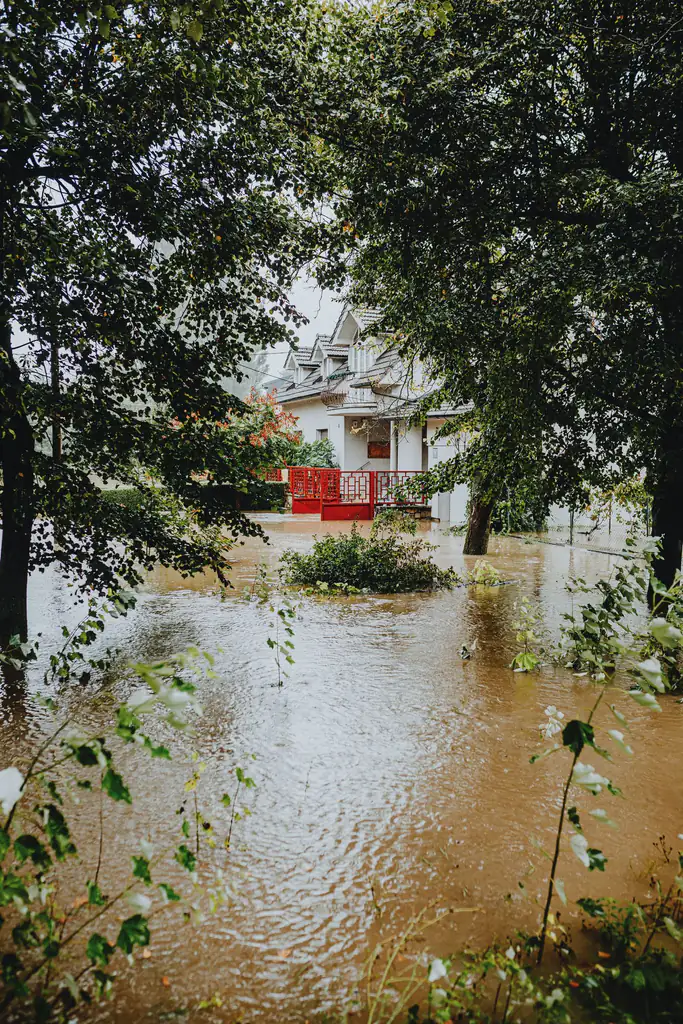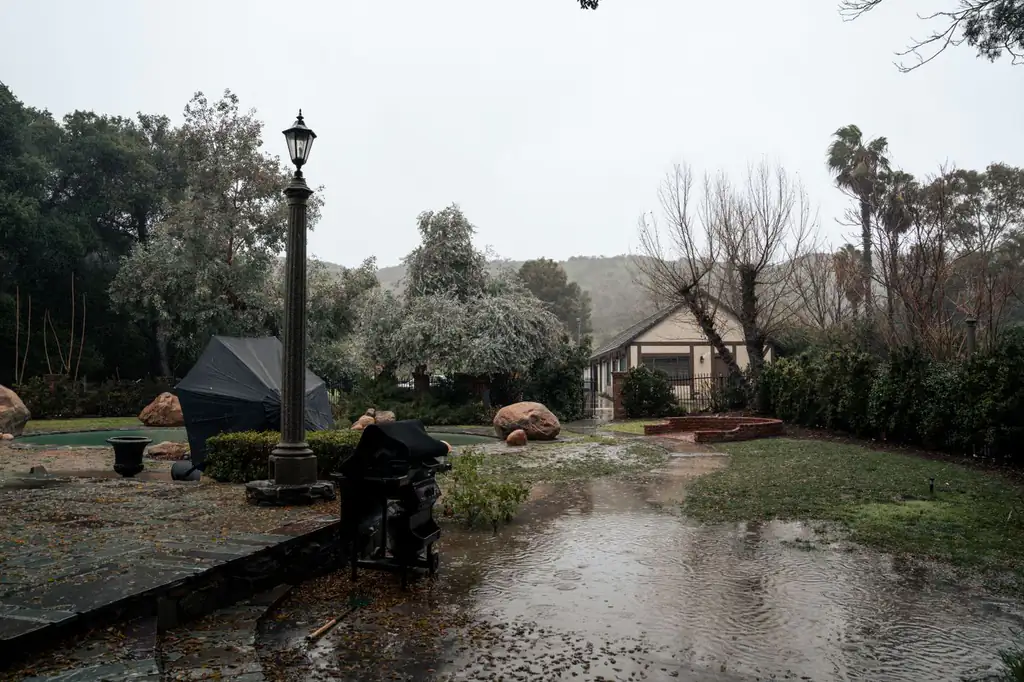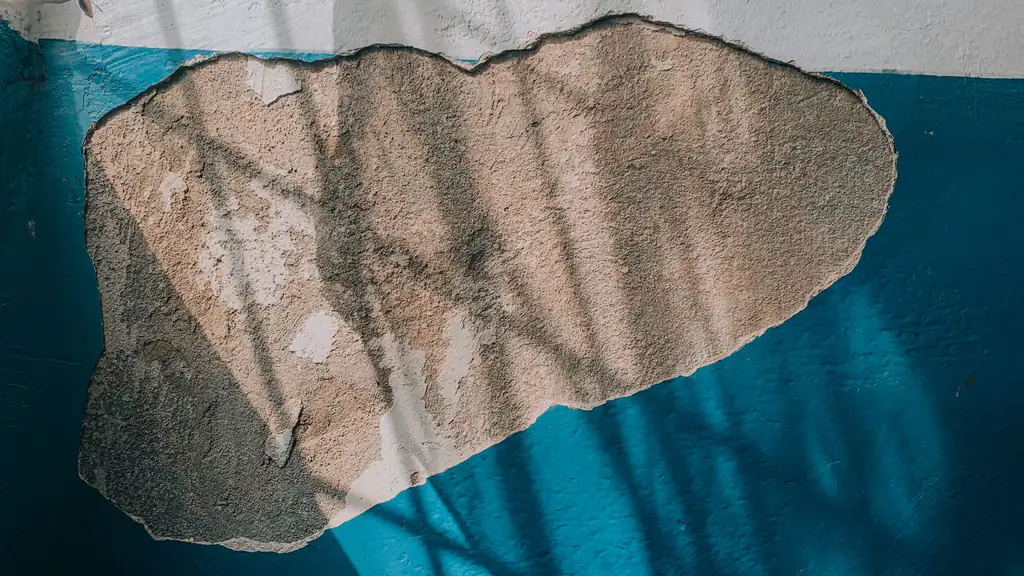
Water Dripping Between the Gutter and Roof
Dripping from the gap between gutter and roof edge points to missing drip edge, a low-hung gutter, or overflow. How to diagnose and fix it.
Problem–Solution Hub
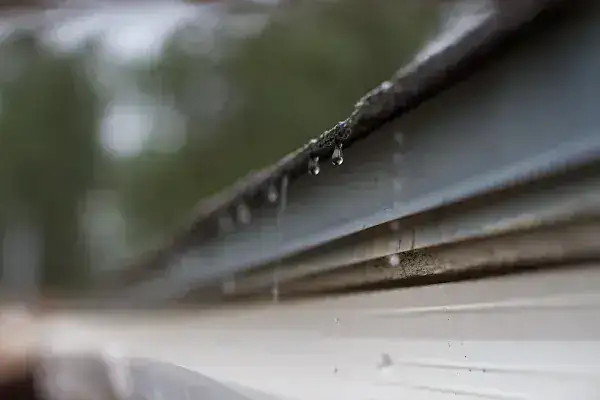
Water running behind the gutter usually means there's no drip edge or it's installed wrong, the gutter sits too low behind the roof edge, or overflow is wicking backward. It quietly rots fascia and soffit, so it's worth fixing even when it looks minor.
Water running behind your gutter almost always means the roof edge is sending it there. The most common reasons are a missing or too-short drip edge, no gutter apron to bridge the gap between shingles and trough, a gutter hung too low for the roof pitch, or overflow from a clog that wicks backward. It looks minor, but it quietly soaks the fascia and soffit, so it is worth fixing early.
When rain sheets off your roof, it should leave the shingle edge and fall cleanly into the gutter. But water is sticky. Instead of launching off the edge, it likes to cling to the underside of the last shingle course and curl back toward the house. If nothing interrupts that path, the water follows the shingle underside, drops onto the fascia board, and runs down behind the trough instead of into it.
A properly installed roof edge breaks that surface tension. Flashing at the eave, either a drip edge or a wider gutter apron, gives the water a hard lip to release from and points it into the gutter. When that flashing is missing, short, or bent the wrong way, the water simply takes the path of least resistance and goes behind.
To understand where this fits in the bigger picture, it helps to know how roof runoff works and how gutters work as a system. Behind-the-gutter water is a handoff failure between the roof and the trough.
Older homes and rushed installs often skip drip edge entirely, or use a piece that stops short of the gutter. Without that overhanging lip, water rolls off the deck and straight down the fascia.
A drip edge alone does not always reach far enough. A gutter apron is a wider, angled piece that extends down and over the back lip of the trough, physically bridging the gap so water cannot sneak behind. Homes without one are the most frequent behind-gutter offenders.
If the trough sits well below the projected slope line of the roof, fast runoff from a steep pitch can overshoot the back of the gutter or drop into the gap behind it. This is common when gutters were rehung lower than the original position, or on very steep roofs.
When a gutter fills with debris and backs up, water rises above the back lip, which is lower than the front on most sloped-hung gutters, and spills toward the house. This kind of overflow is intermittent, showing up only in heavy rain or when the gutter is full. If you are seeing several symptoms at once, review the broader signs your gutters are failing.
Roof-edge work means working at height. Work at height risks falls; hire a pro if you lack safe access.
The single most useful thing you can do is watch during rain from the ground. Stand back with an umbrella and look at where the water goes.
Between storms, inspect the roof edge from a safe, stable position. From the top of a properly footed ladder you can often see whether a drip edge or apron is present and whether it overhangs the back of the gutter. If you cannot get a clear, safe look, this is a reasonable point to bring in a roofer or gutter contractor.
| Cause | Sign you will notice | Typical fix |
|---|---|---|
| No drip edge | Fascia streaking, rot behind gutter, no visible edge flashing | Add drip edge (usually tucks under shingles) |
| No gutter apron | Water enters gap between shingle edge and trough back | Install a gutter apron over the back lip |
| Gutter hung too low | Runoff overshoots or drops behind on steep roofs | Reposition gutter higher, or add an apron to bridge |
| Roof pitch too steep for setup | Behind-gutter water mainly in hard rain | Apron plus correct hanger placement |
| Clog / overflow | Backs up, spills toward house when full | Clear debris, confirm slope and downspout flow |
The reason this matters more than it looks is that the water lands exactly where wood does not want it. The fascia board and the soffit underneath stay damp long after the rain stops. Over time that leads to:
None of this is dramatic on day one, which is exactly why it gets ignored until a repair is much larger.
The right fix depends on the cause you diagnosed.
The right fix depends on your roof edge and climate. Roof pitch, shingle type, existing flashing, and how the gutters were originally hung all change what works, so treat these as starting points rather than a guaranteed recipe.
It is worth separating these clearly, because they look similar from a distance but have different causes. Front-edge overflow is water spilling over the outer lip and off the front of the gutter, usually from clogs, undersized gutters, or too much runoff volume. Behind-the-gutter water goes the other way, sneaking between the roof edge and the trough and running down the fascia toward the house.
Watching one storm usually tells you which one you have, and that single observation points you straight at the right fix.
FAQ
In most cases the roof edge lacks a drip edge or gutter apron, so water clings to the shingle underside and drops behind the trough. A gutter hung too low relative to the roof edge, or overflow from a clog, can cause the same thing.
Yes, even if it looks minor. Water that reaches the fascia and soffit keeps them damp, which leads to rot, paint failure, staining, and eventually pest entry. It rarely stays cosmetic for long.
A drip edge is roof-edge flashing that directs water off the deck and past the fascia. A gutter apron is a wider, more angled version that extends farther down and steers water directly into the trough, which is why it is often used to correct water running behind the gutter.
A gutter apron can sometimes be slid under the first shingle course and fastened without removing gutters, but working at the roof edge involves ladder and fall risk. A true drip edge usually tucks under the shingles and is best handled by a roofer.
Watch during rain. Water spilling over the outer lip and off the front is overflow, usually from clogs or undersized gutters. Water disappearing behind the trough and streaking the fascia is a roof-edge or gutter-position problem.
No. Water behind the gutter enters at the roof edge, not through the trough seams. Sealant on joints treats a different symptom and leaves the real path untouched.
Possibly. If the trough sits well below the projected line of the roof slope, fast runoff can shoot over the back or drop behind it. Repositioning the gutter higher, or adding an apron to bridge the gap, is the usual fix.
Keep reading
Dripping from the gap between gutter and roof edge points to missing drip edge, a low-hung gutter, or overflow. How to diagnose and fix it.
A gutter pulling away from the house usually means rotted fascia, failed hangers, or trapped-water weight. Here is how to diagnose and fix it right.
Peeling paint and dark stains below a gutter are moisture marks. Read the pattern, trace the water above, and fix the source, not the paint.