Attic Insulation and Ventilation for Ice Dams
The attic cure for ice dams — air-seal leaks first, insulate the attic floor, then balance soffit-to-ridge ventilation to keep the roof deck cold. Why all three matter.
Ice Dams & Winter Water
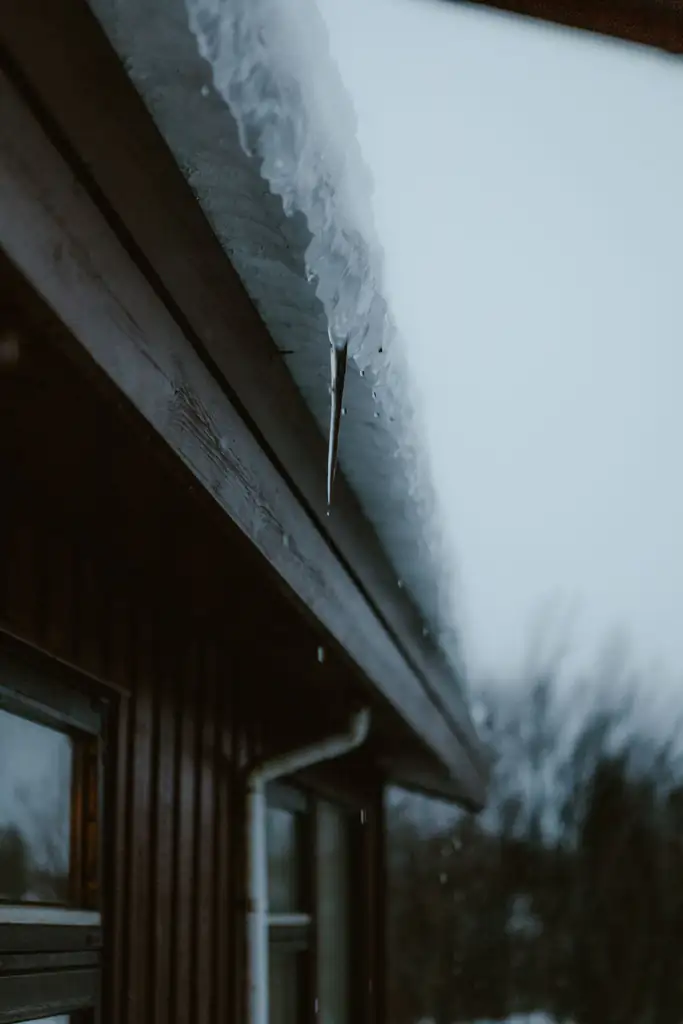
Ice dams form because a warm roof deck melts snow that refreezes at the cold eave. The durable fix is to keep the deck cold — air-seal attic leaks first, then add insulation, then ventilate. Insulation alone will not stop dams if warm air is still leaking up through gaps.
Ice dams are, at bottom, a heat-loss problem. Snow on the roof melts because the roof deck under it is warm, the meltwater runs down to the cold overhang, and there it refreezes into a dam. So the durable fix is to keep the deck cold — and that is what attic work does. But the order matters more than most people expect: air-seal the leaks where warm air escapes into the attic first, then add insulation, then make sure the attic is ventilated. Insulation alone will not stop dams if warm air is still pouring up through gaps and washing over the underside of the roof.
The mechanism is worth being precise about, because it explains why the fixes are ordered the way they are. As how ice dams form describes, heat from your living space rises into the attic two ways. It conducts through the ceiling drywall and insulation, and — much more powerfully — it leaks through gaps as moving air: around recessed lights, plumbing and wiring penetrations, the attic hatch, top plates, and chimney chases.
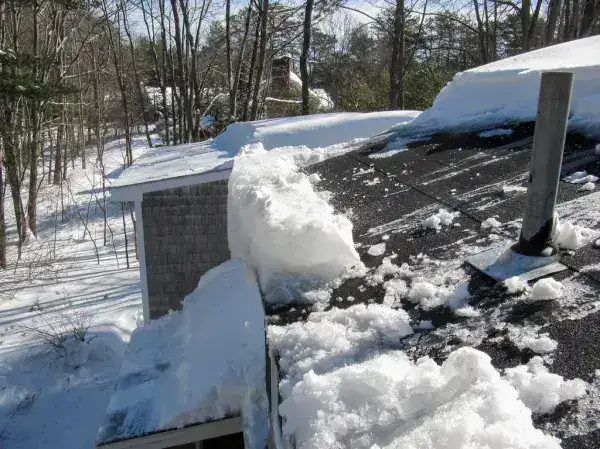
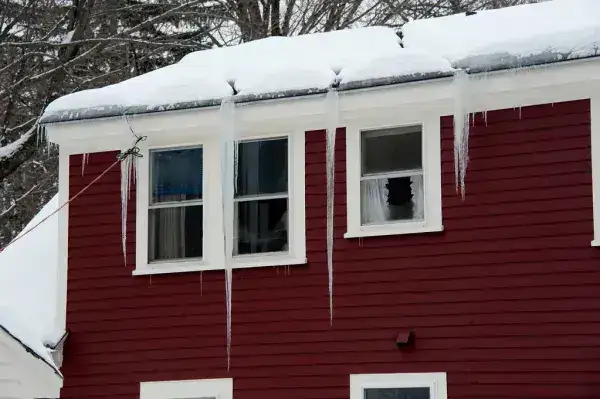
That warm air, and to a lesser degree the conducted heat, raises the temperature of the roof deck. The snow sitting on the middle of the roof melts, the water trickles down to the eave, which overhangs open air and stays at outdoor temperature, and it refreezes there. Over a cold snap, that repeated cycle builds the ridge of ice that traps the next round of meltwater and forces it under the shingles.
Keep the deck cold and the cycle never starts. Everything below is about how.
Order matters. Air-seal first, insulate second, ventilate third. Skipping straight to "add more insulation" without sealing the air leaks is the single most common reason a homeowner insulates and still gets dams.
Air-sealing is closing the gaps where warm household air leaks up into the attic. This is first because moving air carries far more heat than still air conducts — a column of warm air rising through a gap around a light fixture warms the deck and dumps moisture that can frost the underside of the roof or feed mold. Common targets are the attic hatch, recessed light housings (use fixtures or covers rated for insulation contact), plumbing and wiring penetrations, top plates, and the chimney chase (sealed with fire-rated materials). Do this and the insulation you already have suddenly works the way it is supposed to.
With the leaks sealed, insulation reduces the slower conductive heat loss through the ceiling. The goal is an even layer brought up to the depth recommended for your climate zone, with no thin spots — especially out at the eaves, where the dam forms and where insulation is easy to leave short or compress. Baffles at the eaves keep insulation from blocking the soffit vents while still insulating the ceiling below. Our dedicated guide, attic insulation and ventilation for ice dams, goes deeper on levels and materials.
Ventilation flushes out any residual warmth and moisture so the deck stays cold and dry. The classic setup pulls cold outdoor air in at the soffits and lets it out at the ridge, washing the underside of the deck with outside air. For that to work, the intake at the soffits must be open — which is why the eave baffles in step two matter — and balanced with the exhaust at the ridge.
Attic work has real hazards. You can step through the ceiling between joists, disturb old insulation, cover soffit vents, or bury recessed lights that need clearance to avoid overheating. Watch for knob-and-tube wiring in older homes, which should not be buried in insulation. If you are unsure about fixture ratings, wiring, or where your leaks are, get an energy audit or hire a contractor.
A few specific items warm the attic and are easy to overlook:
| Step | What it does | Why the order |
|---|---|---|
| Air-seal | Stops warm air leaking into the attic | Airflow carries the most heat; must come first |
| Insulate | Slows heat conducting through the ceiling | Works far better once the leaks are sealed |
| Ventilate | Flushes residual heat and moisture off the deck | Keeps the deck cold and dry after 1 and 2 |
Done together and in order, these keep the roof deck at outdoor temperature, so snow no longer melts from below and there is nothing to refreeze at the eave.
The heat that warms your roof and causes ice dams is heat you paid to generate, escaping your living space. So the same work that stops dams also lowers your heating bill — which is why attic sealing and insulation are worth prioritizing over symptom treatments like heat cable or repeated raking. Those manage the ice each winter; this stops it forming and saves energy at the same time. If you are wondering why the problem keeps returning despite other efforts, why do I get ice dams every year traces it back to exactly these attic issues.
Attic insulation is central to stopping ice dams — but only as part of a sequence. Air-seal the gaps where warm air escapes, add insulation to the level right for your climate with no thin spots, and ventilate so the deck stays cold and dry. Get the order right and the roof stays cold, the melt-refreeze cycle never starts, and your heating bill drops as a bonus. For the full prevention picture, see how to prevent ice dams.
FAQ
It is a major part of the fix, but not on its own. Ice dams form when heat escaping into the attic warms the roof deck and melts snow that refreezes at the eave. Insulation slows that heat loss, but if warm air is still leaking up through gaps around lights, pipes, and the attic hatch, it bypasses the insulation and warms the deck anyway. Air-sealing has to come first for insulation to do its job.
Air-seal first, insulate second, ventilate third. Sealing the gaps where warm air leaks into the attic stops the biggest source of roof-warming heat. Insulation then reduces the conductive heat loss through the ceiling. Ventilation flushes out any residual warmth and moisture so the deck stays cold and dry. Doing them in that order gives the best result.
Enough to bring the attic floor up to the level recommended for your climate zone, and applied evenly with no thin spots or gaps — especially out at the eaves where dams form. The exact depth depends on the insulation type and your region. A thin or patchy layer, or insulation that has been compressed or shifted, leaves warm spots that feed dams.
Because moving air carries far more heat than still air conducts. A gap around a recessed light or plumbing stack lets a column of warm, moist household air pour straight into the attic, warming the deck and dumping moisture that can cause frost and mold. Insulation slows conduction but does almost nothing to stop that airflow. Seal the leaks and the insulation you have works far better.
Yes, if they vent into the attic instead of outside. An exhaust fan dumping warm, humid air into the attic warms the deck and adds moisture — both bad. Fans should duct all the way to a roof or wall cap outdoors. This is a common hidden cause of dams and attic moisture.
Homeowners can add insulation and do basic air-sealing, but attic work has real hazards — you can step through the ceiling, disturb old insulation, cover soffit vents, or bury recessed lights that need clearance. If your attic is tight, you are unsure about wiring or fixture ratings, or you cannot tell where the leaks are, an energy audit or contractor is worth it.
Yes. The same heat loss that warms your roof and causes ice dams is heat you paid for escaping your living space. Air-sealing and insulating the attic reduces that loss, so the work that prevents dams also lowers heating costs — one of the reasons it is the fix worth prioritizing over symptom treatments.
Keep reading
The attic cure for ice dams — air-seal leaks first, insulate the attic floor, then balance soffit-to-ridge ventilation to keep the roof deck cold. Why all three matter.
Prevent ice dams by keeping the roof deck cold — air-seal, insulate, and ventilate the attic. Snow management and clear gutters help, but the real fix is the attic.
How ice dams really form — attic heat loss melts snow that refreezes at the cold eave. Why gutters aren't the cause, and what to do safely.