How to Remove an Ice Dam Safely
The safe way to remove an ice dam is limited — rake from the ground and call a pro to steam an active leak. Never climb, chip, or use flame. A step guide.
Ice Dams & Winter Water
If you get ice dams every winter, the cause is almost always a warm roof — heat escaping into the attic melts snow that refreezes at the cold eave. Recurrence means the underlying air leaks, insulation gaps, or ventilation problems are still there. Fix the cause, not just each winter's ice.
If you get ice dams every winter, the reason is almost certainly that your roof is warm when it should be cold. Heat escaping from the living space into the attic warms the roof deck, melts the underside of the snow, and that meltwater refreezes into a ridge at the cold eave. The dam comes back each year because the thing causing it — air leaks, insulation gaps, or poor ventilation — is still there. Removing last winter’s ice never changed that. Breaking the yearly cycle means fixing the warm roof, not re-fighting the ice each January.
A one-off ice dam during a freak storm is one thing. Getting them every single year is a pattern, and patterns have causes. The fact that dams keep returning is actually useful information: it tells you the conditions that form them are baked into your house and have not been addressed.
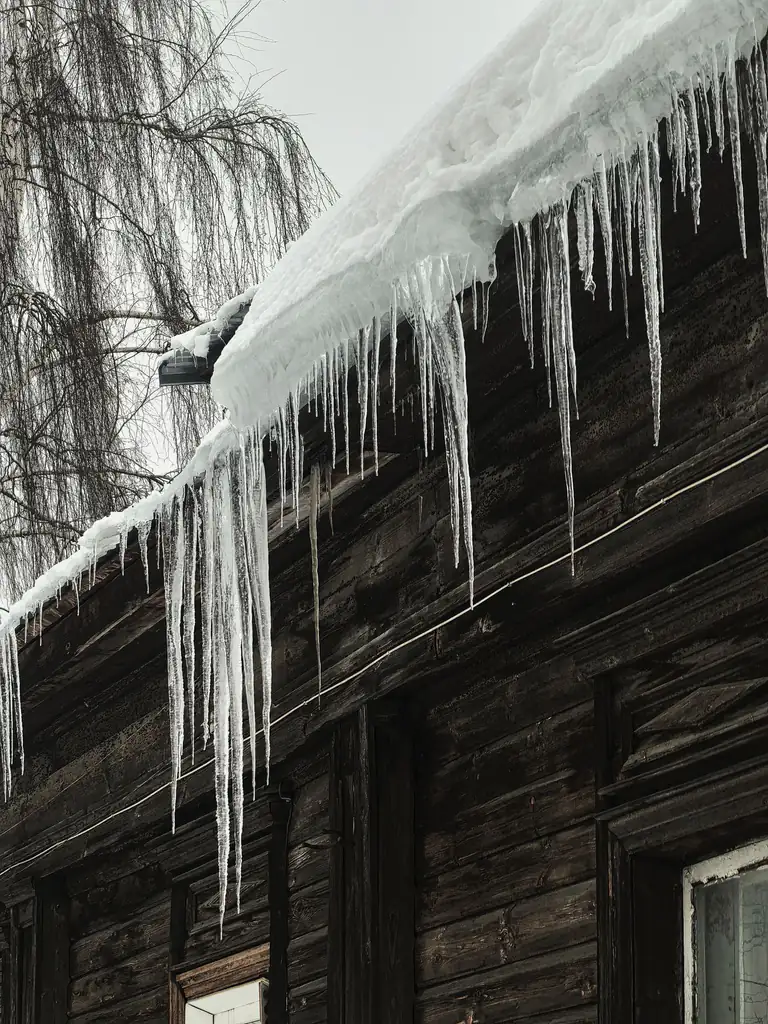
An ice dam forms when part of the roof is warm enough to melt snow while the eave stays below freezing. Melt runs down, refreezes at the cold edge, and builds a ridge that traps a pool of water behind it. If that happens annually, your roof is reliably producing the warm-plus-cold combination every winter. That is what you have to change.
The most common driver is warm indoor air escaping upward through gaps — around recessed lights, the attic hatch, plumbing and wiring penetrations, and the chimney chase. That warm air heats the attic and the roof deck above it, melting snow from below. Air leakage is often the biggest single factor and the most overlooked, because it is invisible.
Even without dramatic air leaks, thin or uneven insulation lets heat conduct up into the attic. Gaps, compressed spots, and areas that were never fully covered create warm patches on the roof deck. Wet insulation from a previous leak performs worse still, which is how one bad winter can set up the next.
Ventilation flushes warm air out from under the roof deck and keeps its temperature even and cold. When soffit vents are blocked or the ridge cannot exhaust, warm air lingers against the deck and melts snow. Insulation and ventilation work as a pair; a weakness in either keeps the roof warmer than it should be. Our guide to attic insulation and ventilation covers how they combine.
Some roofs are simply more prone to dams because of their geometry. Complex rooflines, valleys, dormers, long overhangs, and low-slope sections concentrate snow and create cold pockets where dams form readily. Roof shape does not generate the heat, but it decides where recurring dams keep showing up. This is part of why some roofs get ice dams and others don’t.
Here is the trap many homeowners fall into: each winter they remove the dam, breathe a sigh of relief, and are surprised when it returns.
Removing an ice dam is like mopping the floor under a dripping pipe. It handles this storm's water, but the pipe is still leaking. The warm roof that built last year's dam is still warm this year, so the same cause produces the same result. Recurrence is the signal to fix the pipe, not to buy a better mop.
Heat cables, roof rakes, and ice removal all manage symptoms. They have their place for a specific trouble spot or a heavy snow, but none of them makes the roof deck colder. That is why a home relying only on symptom management gets dams year after year.
The durable fix is to keep the roof deck cold, and it usually starts in the attic.
| Step | What it addresses | Why it helps recurrence |
|---|---|---|
| Air sealing | Warm air leaking into the attic | Removes the biggest heat source melting snow |
| Adding insulation | Heat conducting up to the deck | Keeps the deck near outdoor temperature |
| Improving ventilation | Warm air lingering under the roof | Flushes heat out and evens the deck temperature |
| Addressing problem spots | Valleys, low-slope, long eaves | Reduces where dams concentrate |
Notice that the first three all point at the same goal — a cold roof — from different angles. That is the through-line of every lasting fix. The general playbook is in how to prevent ice dams.
Do not tackle recurring dams by climbing onto an icy or snow-covered roof each winter. That is dangerous and it never fixes the cause. Reduce snow load from the ground, and treat the attic and roof work as the real, lasting solution.
It is common to see one house iced up while the one beside it stays clear. The explanation is that the details differ where you cannot see them — attic air leakage, insulation depth, ventilation, roof shape, sun exposure, and how the interior is heated all vary house to house. Two homes that look identical from the curb can behave very differently at the roof deck. So a neighbor’s clear roof is not luck; it usually means their roof stays colder than yours.
Ice dams come back every year because the warm roof that causes them is still warm every year. Heat leaking into the attic, thin insulation, and weak ventilation keep the roof deck warm enough to melt snow that refreezes at the cold eave. Removing the ice each winter changes none of that. To end the cycle, keep the roof deck cold — seal air leaks, insulate, and ventilate — and stop re-fighting the same ice season after season.
FAQ
Because the underlying cause is still there. Recurring dams almost always mean heat is escaping into your attic, warming the roof deck, and melting snow that refreezes at the cold eave. Until the air leaks, insulation, or ventilation are addressed, the pattern repeats.
Removing the ice treats the symptom for that storm but changes nothing about why it formed. The warm roof that produced last year's dam is still warm this year, so the same conditions produce the same dam. Recurrence is a sign to fix the cause.
It can contribute. Complex rooflines, valleys, low-slope sections, and long overhangs concentrate snow and cold spots where dams form readily. Roof shape does not create the heat, but it decides where recurring dams tend to appear.
Often it is a large part of the fix, especially combined with air sealing and ventilation. Keeping the roof deck cold is what breaks the cycle. Insulation alone without sealing air leaks may fall short, so treat them as a package.
Differences in attic insulation, air sealing, ventilation, roof shape, sun exposure, and interior heat all vary house to house. Two similar-looking homes can behave very differently at the roof deck, which is why one gets dams and the next does not.
Snowy weather sets the stage, but yearly dams still point to a warm roof rather than being unavoidable. Many homes in the same climate avoid them by keeping the roof deck cold. Recurrence is a signal worth investigating, not just accepting.
Start with the attic — look for signs of heat and air leakage, thin or gaps in insulation, and whether ventilation is working. Most recurring dams begin with warm air reaching the roof deck, so that is where the durable fix usually starts.
Keep reading
The safe way to remove an ice dam is limited — rake from the ground and call a pro to steam an active leak. Never climb, chip, or use flame. A step guide.
How to use a roof rake safely from the ground to reduce ice-dam snow, plus snow-load basics — wet snow, drifting, and when heavy load becomes a structural worry.
Why gutters and downspouts fill with ice — clogs, poor slope, and meltwater refreezing at the cold eave. The weight risk, and the real fixes for a symptom.