How to Drain Water Away From Your House
Roof water, ground slope, and a real outlet decide whether water stays away from your house. A practical order for tackling water near the foundation.
Drainage
There is no universal best yard drainage — the right fix depends on the cause. Surface pooling wants regrading, swales or a channel drain; soggy subsurface ground wants a French drain; a fixed low point wants a catch basin to an outlet. Diagnose first, then choose.
There is no universal best drainage solution for a yard. The right fix is the one that matches the cause of your water problem — and matching it wrong is why so many drainage projects fail. Before you buy a single product, figure out whether you are fighting water on top of the ground or water inside it, and confirm where that water is allowed to go.
Homeowners tend to shop for drainage the way they shop for anything else: they search for the “best” option and buy it. Water does not cooperate with that approach. A French drain installed to fix a shallow surface puddle can sit bone-dry while the puddle stays put, because the water never soaks down to the pipe. A regrade that ignores a high water table can look perfect in August and turn to mush in March.
So the first job is diagnosis. Watch your yard during and after a heavy rain. Note where water collects, how fast it arrives, and how long it lingers. If you want a structured walkthrough of that process, our guide on fixing standing water in your yard covers it step by step. The distinction that drives everything else is surface versus subsurface, which we break down in surface vs subsurface drainage.
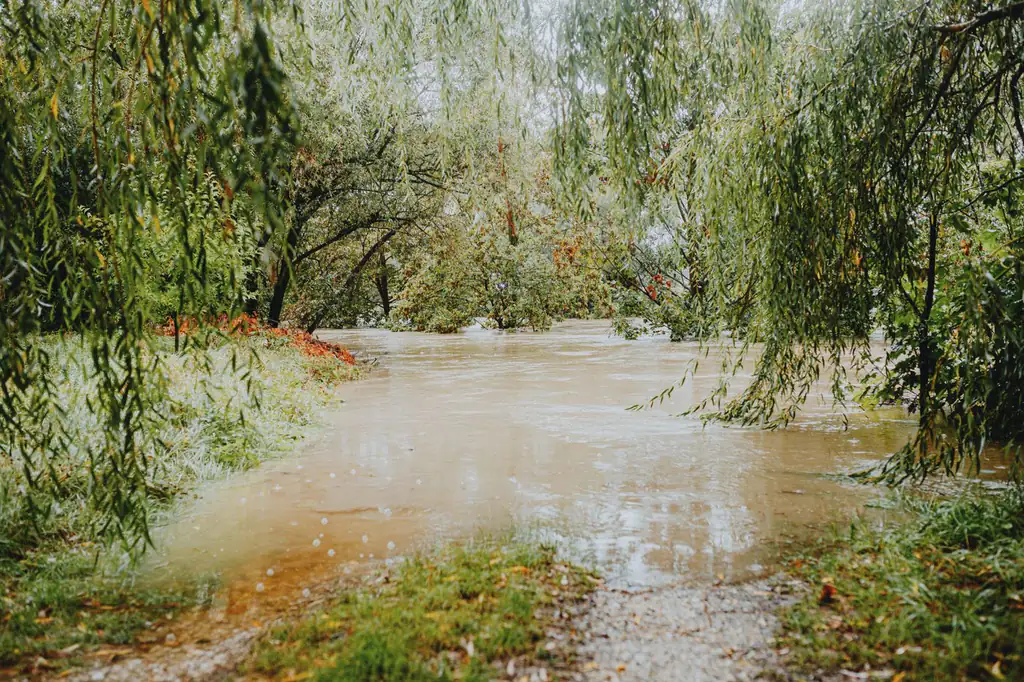
Surface water is what you see: sheets of runoff, puddles that form during the storm and drain once the ground dries out. These problems are usually about shape. The ground slopes the wrong way, or there is a low spot with no path out. The fixes are shaping fixes — regrading, a swale to carry flow, or a channel drain across a hard surface like a driveway apron.
Subsurface water is the ground itself staying saturated: spongy turf, mud that persists for days, water that seeps rather than runs. Here the answer is usually a French drain, which intercepts water moving through the soil and carries it away in a perforated pipe. Shaping the surface does little when the problem lives below it.
Sometimes the yard has one stubborn low spot — the bottom of a slope, a corner boxed in by hardscape — that simply collects water with no natural exit. A catch basin (a boxed inlet with a grate) captures that water and routes it through solid pipe to an outlet. It is the right call when you cannot regrade the low point away.
Use the table below as a starting point, not a prescription. Your soil type, water table, climate, and local code all shift the answer.
| What you observe | Likely cause | Reasonable solution | Notes |
|---|---|---|---|
| Puddles form in rain, drain when dry | Surface grading | Regrade, swale, or channel drain | Cheapest to fix if there is a slope to work with |
| Ground stays spongy for days | Subsurface saturation | French drain to an outlet | Needs perforated pipe and continuous slope |
| One low corner always wet | Fixed low point, no exit | Catch basin to an outlet | Pairs well with grading elsewhere |
| Downspouts flooding one area | Concentrated roof water | Extend/redirect downspouts first | Often solves the problem alone |
| Whole yard wet, water seeps up | High water table | Limited options; manage, don’t fight | Regrading rarely helps here |
Notice that two of the “solutions” are really about redirecting water you already control — downspouts especially. It is worth exhausting the cheap, reversible fixes before you excavate.
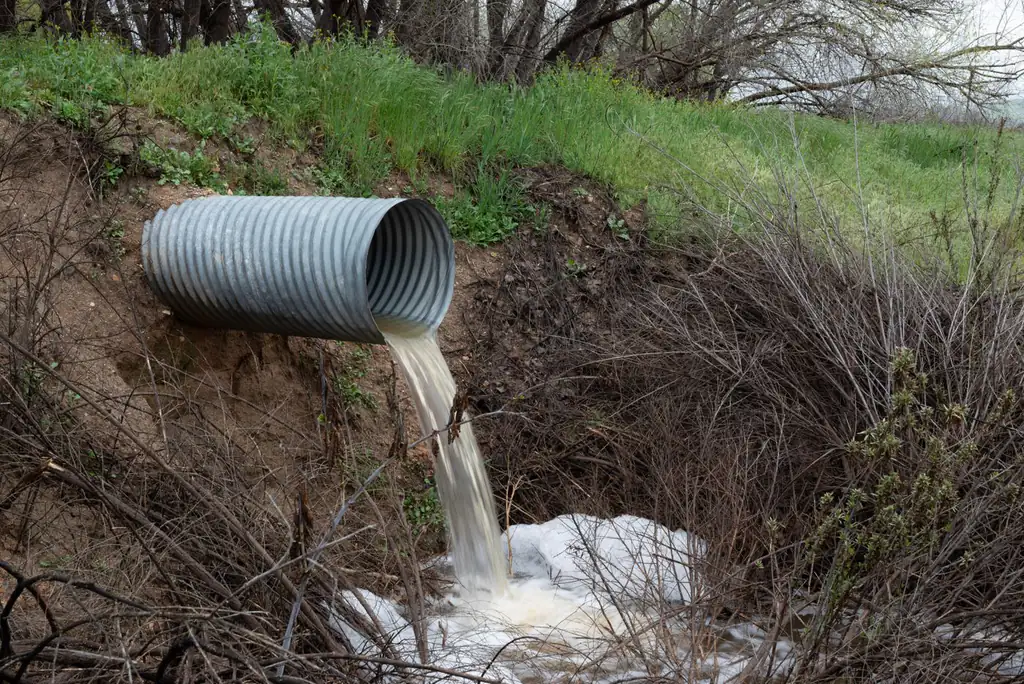
This is the rule that quietly decides whether a project works. Any drainage system that collects water has to discharge it somewhere lower and legal. That destination might be a daylight point on a downslope, a permitted storm connection, or a dry well in soil that actually accepts water. If you have not identified your outlet, you do not yet have a plan — you have a hole that will fill up and stay full.
The best drainage solution for your yard is whichever one answers the question your water is actually asking. Diagnose surface versus subsurface, find the low points, confirm a real and legal outlet, and only then choose between regrading, a swale, a French drain, or a catch basin. Many yards need a combination, and that is normal. What no yard needs is a popular product installed against the wrong problem.
FAQ
There isn't one. The best solution depends on whether your problem is surface water sitting on top of the ground or saturated soil below it, and on where the water can legally go. Diagnose the cause first.
If water pools on the surface after rain and drains once the ground dries, it is usually a surface grading issue. If the ground stays spongy and wet for days, you are likely dealing with subsurface saturation or a high water table.
Any solution that collects water has to send it somewhere. That somewhere is the outlet — a lower spot, a storm drain where permitted, or a dry well in suitable soil. Without a real outlet, you are just moving the puddle.
A French drain is excellent for intercepting subsurface water, but it is the wrong tool for a shallow surface puddle that simple regrading would solve. Matching the tool to the cause matters more than picking a popular product.
Yes. Many yards use grading plus a swale to handle surface flow, and a French drain or catch basin for the wet low point. Combining is common and often the most durable approach.
It can be. Some municipalities restrict where you may discharge collected water, and connecting to a public storm system or draining onto a neighbor's property may be prohibited. Check local code before you dig.
Keep reading
Roof water, ground slope, and a real outlet decide whether water stays away from your house. A practical order for tackling water near the foundation.
Grading shapes the ground so water runs away from the house to a safe outlet. How positive slope, swales, and a real outlet work together to keep a yard dry.
The outlet decides whether a French drain works. Daylighting, pop-up emitters, and dry wells compared, plus where you must never send the water.