How to Drain Water Away From Your House
Roof water, ground slope, and a real outlet decide whether water stays away from your house. A practical order for tackling water near the foundation.
Drainage
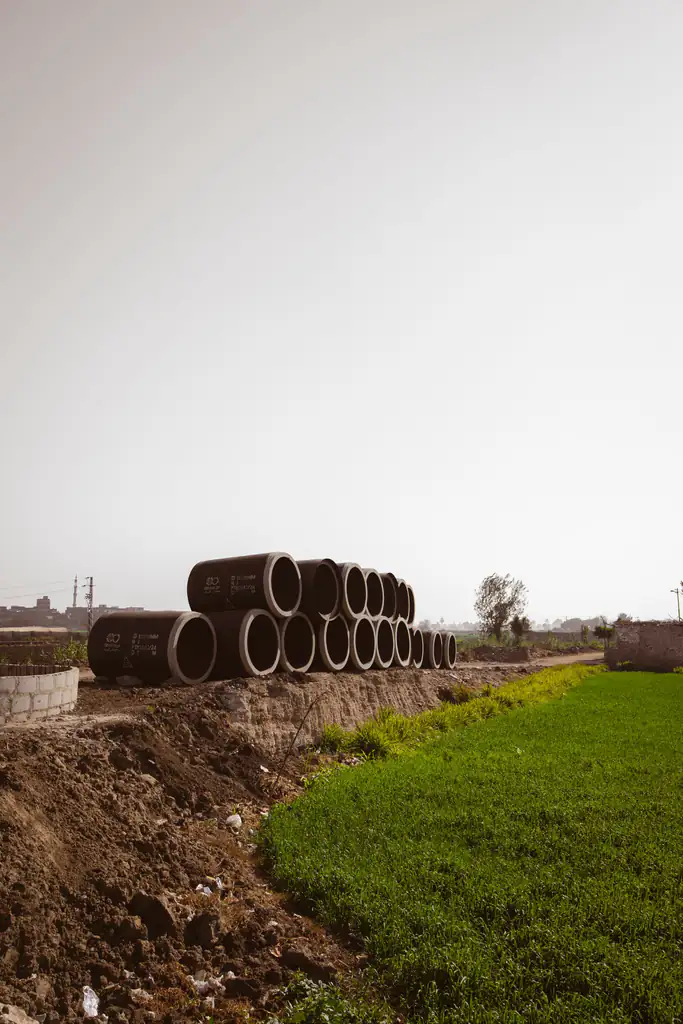
Cleanouts and inspection ports are access points that let you flush and check a buried drain line. They are cheap to add during installation and priceless later — without them, a clog in a buried pipe is nearly impossible to find or clear.
Buried drain pipe has one big disadvantage: you cannot see inside it. When a line clogs somewhere underground, you are left guessing where the blockage sits and how to reach it. Cleanouts and inspection ports solve that problem, and the best time to add them costs almost nothing compared to what they save later.
Cleanouts and inspection ports are built-in access points on a buried drain line that let you flush, snake, and inspect the pipe without digging it up. Adding them during installation is inexpensive; adding them later means excavation. Without them, a clog in a buried pipe is extremely hard to locate and clear — you are essentially working blind. With them, routine maintenance becomes a five-minute job.
At its simplest, a cleanout is a capped opening tied into the drain line, usually with a short vertical riser that brings access up to or near the surface. Pop the cap and you have a direct path into the pipe for a snake, a hose, or a camera.
The terminology overlaps in residential drainage:
In practice, a single well-placed access riser with a removable cap often does both. What matters is that you have a known, reachable point into the buried system.
Access points earn their keep at the spots where trouble concentrates and where you would otherwise have to dig blindly. Prioritize:
If your system carries roof water, pairing cleanouts with the right layout matters. Our guide on underground downspout drainage covers how those buried roof lines are built and why grit management is such a concern.
An access point is only as good as its cap. A missing, cracked, or loose cap lets silt, soil, and roots into the line — turning the feature meant to prevent clogs into a source of them. Check caps whenever you inspect.
Picture a clog forming 30 feet down a buried line with no access points. To clear it, you first have to guess where it is, then excavate until you find the pipe, then cut into it. That is a weekend of digging and a repair to the pipe you cut. With cleanouts, you remove a cap, feed a snake or hose toward the blockage from a known point, and flush it out — no excavation, no guessing.
Catch basins add another kind of access. Because a basin is an open collection point, it gives you a place to inspect and clean part of a system directly. That is one reason many yards combine basins with dedicated cleanouts; our guide on how catch basins work explains where basins fit into the picture.
| Access point | Primary purpose | Best location | Added during install? |
|---|---|---|---|
| Cleanout | Clearing clogs (snake/hose) | Bends, long runs, junctions | Strongly recommended |
| Inspection port | Checking line condition (camera) | Near bends and outlets | Recommended |
| Catch basin | Collect + inspect + clean | Low points, downspout ties | Where a basin fits the design |
Cleanouts and inspection ports are the difference between a drain you can maintain and one you have to excavate. They are cheap to include while the trench is open and disruptive to add once it is buried. Put them at the bends, the ends of long runs, and the junctions, keep the caps in good shape, and check them seasonally. That small bit of foresight is what keeps a buried drain line working for decades instead of failing silently underground.
FAQ
The terms overlap in home drainage. A cleanout is an access point designed for inserting a snake or hose to clear a clog, while an inspection port is primarily for looking inside the line, often with a camera. In practice a well-placed access riser can serve both purposes.
Good candidates are at or near bends, at the ends of long straight runs, and where separate lines join. These are the places debris tends to collect and the spots you will most want access to if something clogs.
Sometimes, but it usually means excavating down to the pipe and cutting in a fitting, which is disruptive and costly. That is exactly why adding them during the original installation is so worthwhile.
A properly capped cleanout stays sealed against the line so water is not lost and surface debris is kept out. The cap is the key — a missing or loose cap defeats the purpose and can let silt and roots in.
You remove the cap and feed a drain snake or a hose down the line toward the blockage. Because you can access the pipe from a known point, you can often clear a clog without digging up the yard to find it.
Yes, in a sense. A catch basin gives you an open point to inspect and clean part of a system, which is one reason many yards combine basins with dedicated cleanouts. See our guide on how catch basins work.
A reasonable habit is to check them seasonally and after heavy storms, plus any time drainage seems slow. Regular quick checks catch small buildups before they become full blockages deep in the line.
Keep reading
Roof water, ground slope, and a real outlet decide whether water stays away from your house. A practical order for tackling water near the foundation.
Grading shapes the ground so water runs away from the house to a safe outlet. How positive slope, swales, and a real outlet work together to keep a yard dry.
A French drain collects and moves water; a dry well stores and soaks it into the ground. Here is how to tell which one your yard actually needs.