What Does Daylighting a Drain Mean?
Daylighting means opening a drain pipe at a lower point so water flows out by gravity. When it works, how it compares to pop-up emitters and dry wells, and how to keep the outlet clear.
Drainage
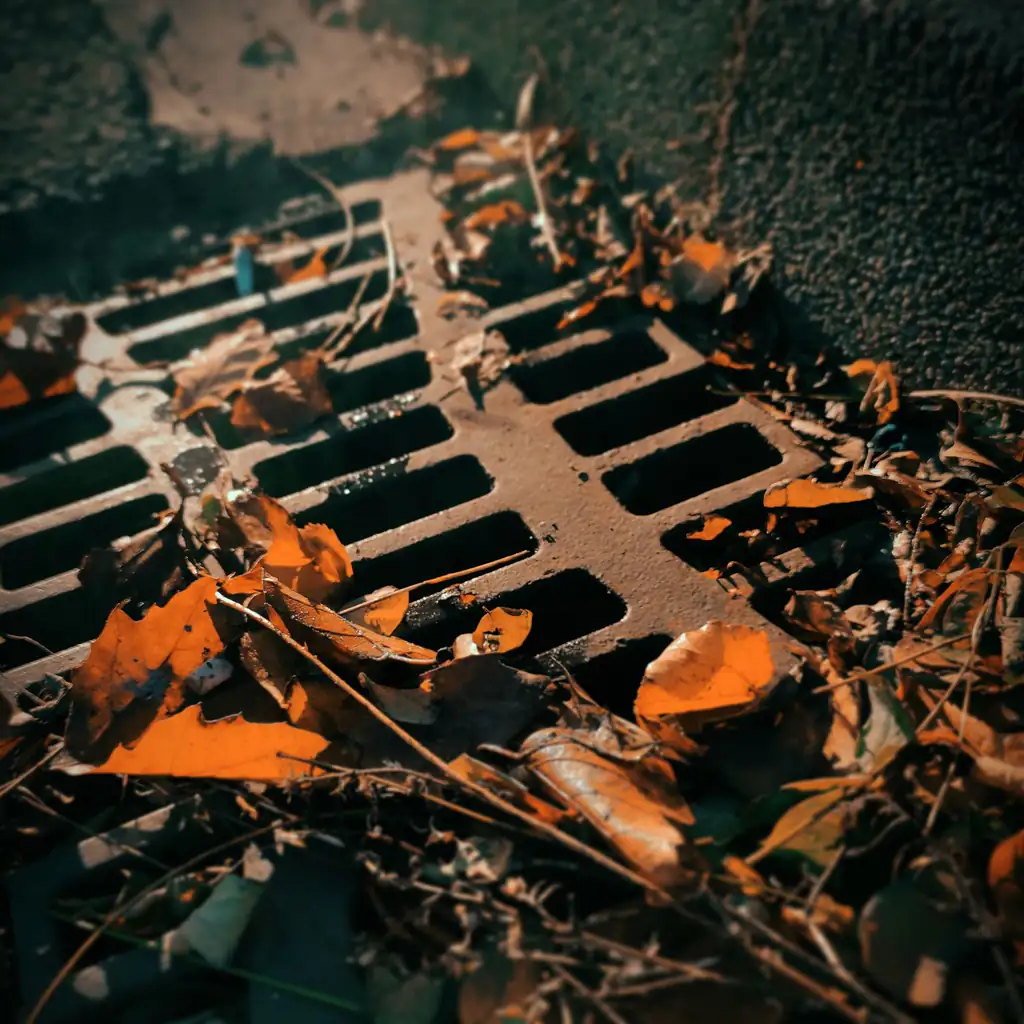
Every drain needs somewhere for the water to go, and finding that outlet is the hardest part of many projects — a lower spot that daylights, a dry well in draining soil, or a permitted connection. Without a real outlet, no drain will work.
Most people planning a drain focus on the trench and the pipe. Those are the easy parts. The question that actually decides whether the project succeeds is quieter and harder: once you collect the water, where does it go? That destination is the outlet, and finding a real one is where drainage projects live or die.
Every drain needs somewhere for its water to go, and finding that outlet is usually the hardest part of the whole job. Your options come down to a lower spot where the pipe can open at the surface and flow out by gravity, a dry well that lets water soak into draining soil, or a permitted connection to a public system. Without a genuine outlet — one that is lower than the drain and able to accept the flow — no drain will work, no matter how well you build it.
A drain does not remove water. It collects water from where you do not want it and moves it to where it can go. If that second place does not exist, all you have built is a pipe that fills up. This is the single most common reason home drainage projects fail: someone digs a beautiful trench, lays perfect pipe, and connects it to nowhere.
The outlet has to satisfy three conditions at once. It has to be lower than the drain, so gravity carries the water there. It has to be able to accept the flow, whether by daylighting, soaking away, or connecting onward. And it has to be allowed — discharge is frequently regulated, and where you may legally send water is not always where it is convenient to send it. A spot that meets two of these but not the third is not an outlet.
This is also why understanding the difference between moving water across the surface and moving it underground matters before you commit. Our guide to surface vs. subsurface drainage covers how the outlet you can reach often decides which approach even makes sense.
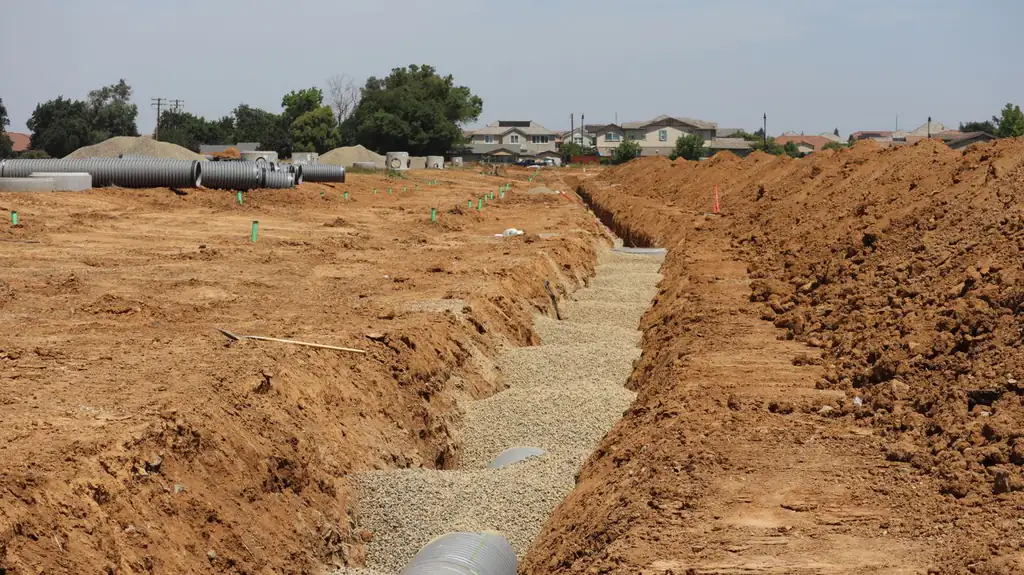
The simplest and most reliable outlet is a lower point where the pipe opens at the surface and water just flows out. This is called daylighting, and where the land falls away from the drain, it is hard to beat — no pump, no mechanism, nothing to fail. Gravity does the work. The catch is that you need genuine fall between the drain and the outlet, and reachable lower ground that can take the water without pushing it onto someone else.
Where there is no lower ground to daylight to, a dry well can serve as an outlet by holding water underground and letting it soak away into the surrounding soil. The critical word is draining. A dry well only works where the soil actually accepts water. In slow, heavy clay it fills and stays full, becoming a buried tank rather than an outlet. Before counting on one, you need to know your soil drains well enough to empty it between rains.
Sometimes the outlet is a connection to a storm system, a municipal drain, or another approved point. This can be a real solution — but it is the option most likely to be regulated. Public connections often require permission or a permit, and the rules vary widely from place to place. Never build a plan around a connection you have not confirmed is allowed.
Where you may discharge water is frequently regulated, and sending concentrated water onto a neighbor's land or into a public system without permission can cause legal and neighborly trouble. Treat "is this outlet allowed?" as a real question to answer with your local authority, not an afterthought. Rules differ by location.
Finding an outlet starts with reading your own ground.
| Outlet option | Works when | Watch out for |
|---|---|---|
| Daylight on a slope | Land falls away to reachable lower ground | Needs real fall; don’t dump onto a neighbor |
| Dry well | Surrounding soil drains well | Fails in clay; must empty between rains |
| Permitted connection | A public or approved point exists | Often regulated; confirm permission first |
| No viable outlet | — | Some drains simply won’t work as planned until this is solved |
The hardest question in most drainage projects is not how to build the drain — it is where the water goes afterward. Start there. Find a genuine outlet that is lower than the drain, able to take the flow, and allowed under local rules, whether that is a daylight spot on a slope, a dry well in soil that truly drains, or a permitted connection. Solve the outlet first, and the rest of the project follows. Skip it, and the best-built drain on the block just fills with water it has nowhere to release.
FAQ
A drainage outlet is the place where a drain releases the water it collects. It might be a lower spot where the pipe opens at the surface and daylights, a dry well that lets water soak into draining soil, or a connection to a storm system where that is permitted. Without one, a drain has nowhere to send water.
Because the outlet has to be real, lower than the drain, and able to accept the flow, and many properties do not have an obvious one. Digging the trench and laying the pipe is straightforward. Working out where the water can legally and physically go, by gravity, is where most projects get stuck.
Watch where water flows and pools during and after rain, look at the general lay of the land, and if you need precision, shoot grades with a level or have them surveyed. The outlet has to sit lower than the drain it serves so water moves by gravity, so you are looking for reachable ground that falls away.
Then a daylight outlet may not be possible and you weigh other options, such as a dry well where the soil drains well enough to accept water, or a permitted connection. Flat ground is exactly the situation where finding an outlet is hardest, and sometimes the honest answer is that a given drain will not work as planned.
Sometimes, but it is often regulated and may require permission or a permit. Rules vary widely by location. Never assume a public connection is allowed, and check with your local authority before planning around one.
It can, but only where the surrounding soil actually drains. A dry well works by holding water and letting it soak away into the ground, so in slow clay it fills and stays full. It is a real outlet in draining soil and a buried tank in soil that will not accept water.
Concentrating and discharging water onto a neighbor's land can create legal and neighborly problems and is often regulated. Do not plan an outlet that sends your water onto someone else's property without understanding local rules, and a conversation with the neighbor, first.
Keep reading
Daylighting means opening a drain pipe at a lower point so water flows out by gravity. When it works, how it compares to pop-up emitters and dry wells, and how to keep the outlet clear.
The outlet decides whether a French drain works. Daylighting, pop-up emitters, and dry wells compared, plus where you must never send the water.
How pop-up emitters work as a drain outlet, where they fit, the slope they require to open, and why flat ground and freezing conditions cause them to fail.