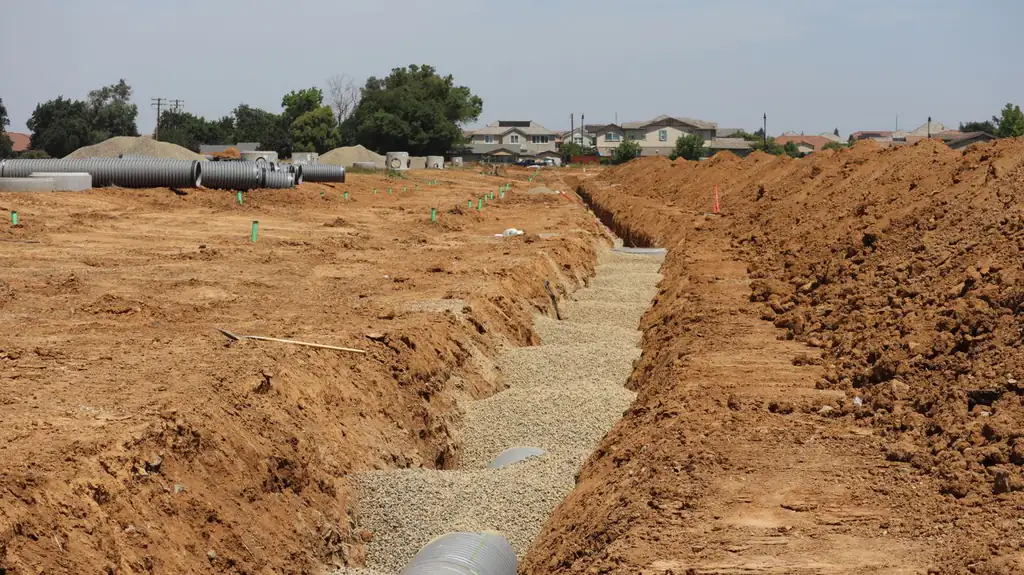
How to Drain Water Away From Your House
Roof water, ground slope, and a real outlet decide whether water stays away from your house. A practical order for tackling water near the foundation.
Drainage
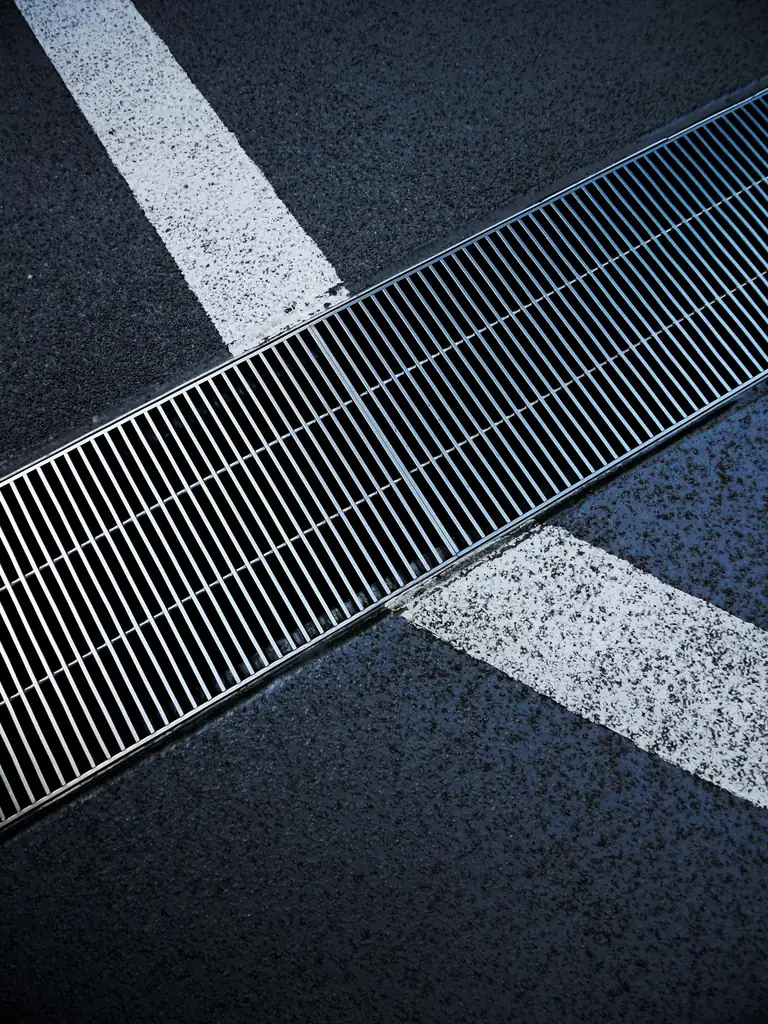
A pop-up emitter is the buried end of a drain line that opens under water pressure to release drainage at the surface, then closes to keep debris and animals out. It needs enough slope to push water up and out; on flat ground it holds standing water.
If your drain line has nowhere to naturally emerge, a pop-up emitter can give it an exit. It is a small, clever fitting — but it only works when the conditions are right, and it is one of the most commonly misused parts in residential drainage. Understanding what makes it open, and what makes it fail, saves a lot of frustration.
A pop-up emitter is the buried end of a drain line fitted with a lid that opens under water pressure to release drainage at the surface, then closes to keep out debris and animals. Its defining requirement is slope: the line has to fall enough that water reaches the emitter with the force to lift the lid and flow out. On flat ground, water arrives without that pressure and just sits in the pipe — turning the emitter into a hidden reservoir instead of an outlet.
The mechanism is simple. As water travels down a sloped, buried drain line, it builds up behind the emitter’s lid. That pressure lifts the hinged or floating cap, the water spills out onto the lawn, and when the flow subsides the lid settles back down and seals the opening. The closed lid is what keeps leaves, mulch, and curious small animals out of your pipe between rains.
That self-closing behavior is the emitter’s main advantage over an open pipe end. An open outlet is always exposed; a pop-up stays shut until it has water to release.
The classic use case is a yard where you cannot get the pipe to emerge naturally. If the lowest reachable spot is a flat area of lawn rather than a slope, you cannot let the line open to daylight, and a pop-up emitter gives the water a controlled place to surface.
Pop-up emitters pair naturally with buried roof-water lines. A downspout dropped into a solid pipe and carried away from the foundation often terminates in a pop-up out in the yard. Before that line ever goes underground, though, it is worth thinking about the surface geometry — our guide on how far downspouts should extend covers getting roof water clear of the house in the first place, and underground downspout drainage covers building the buried run itself.
A pop-up emitter is only a valid outlet if it actually releases water. It is not a magic solution for a yard with no fall. If you cannot achieve enough slope, the emitter will not open reliably, and you need a different strategy — regrading, a dry well where soil allows, or another approved outlet.
This is where most pop-up emitter installations succeed or fail. The line must fall continuously toward the emitter and arrive with enough energy to lift the lid. The exact grade depends on the run length, pipe size, and how much water the line carries, so there is no single number to copy. What is universal is the principle: no flat sections, no low spots, and enough overall fall to generate opening pressure at the end.
When the slope is inadequate, two things happen. Water pools in the pipe instead of exiting, and that standing water becomes a magnet for sediment and, in cold climates, a place for ice to form.
| Factor | Favorable condition | Problem condition |
|---|---|---|
| Slope | Continuous fall to the emitter | Flat or low spots in the run |
| Outlet type | No daylight outlet available | Slope exists for a simpler daylight outlet |
| Water source | Roof/downspout or clean drain water | Heavy sediment load with no cleanout |
| Climate | Mild, or line drains fully | Hard freezes with water left in the line |
| Maintenance | Lid checked and cleared seasonally | Lid jammed with debris or ice |
Two failure modes deserve special attention.
Clogging. Sediment and roof grit tend to settle at the low point of a line, which is exactly where the emitter sits. Over time this buildup can obstruct flow or jam the lid so it will not seat or open properly. Access points upstream make flushing possible; see our guide on underground downspout drainage for how cleanouts fit into these buried lines.
Freezing. In cold climates, any water left standing in the line or the emitter can freeze. A frozen lid will not lift, and a frozen line backs water up toward the source. This is why a flat installation that holds water is doubly bad where winters are hard — it is prone to both silt and ice.
A pop-up emitter is a smart, tidy way to end a drain line where the pipe cannot simply open to daylight — but only when the run has enough slope to push water up and out. Give it real fall, keep the lid and line clear, and plan for freezing if your winters are cold. Put one on flat ground and it stops being an outlet and starts being a buried tank holding the very water you were trying to remove.
FAQ
Water flowing down a buried drain line builds pressure at the emitter. That pressure lifts a hinged or floating lid, letting water escape at the surface. When flow stops, the lid drops back down, sealing the opening against debris and small animals.
Yes. The line has to fall enough that water arrives at the emitter with enough force to lift the lid and flow out. On flat or near-flat ground, water reaches the emitter without the pressure to open it and simply sits in the pipe.
A pop-up emitter is useful when you cannot get the pipe to emerge naturally on a slope — for example when the lowest available spot is a flat lawn. If you have a slope where the pipe can open to daylight, that simpler outlet is often preferable.
They can. Sediment and roof grit settle at the low point, and the lid mechanism can jam with debris or ice. Keeping the line clean and the emitter clear is part of routine drainage maintenance.
In cold climates, water sitting in the line or emitter can freeze and keep the lid from opening, causing backups. This is one reason flat installations that hold water are especially problematic where hard freezes occur.
Yes, this is a common use — a buried downspout line ending in a pop-up emitter away from the house. Just make sure the run has enough fall and consider how far the downspouts should extend before the line even goes underground.
Lift or open the lid periodically to clear leaves, silt, and debris, check that it moves freely, and flush the line from an upstream cleanout. Do this seasonally and after big storms, and before winter in freezing climates.
Keep reading
Roof water, ground slope, and a real outlet decide whether water stays away from your house. A practical order for tackling water near the foundation.
The outlet decides whether a French drain works. Daylighting, pop-up emitters, and dry wells compared, plus where you must never send the water.
Daylighting means opening a drain pipe at a lower point so water flows out by gravity. When it works, how it compares to pop-up emitters and dry wells, and how to keep the outlet clear.