Attic Insulation and Ice Dams
Attic insulation helps stop ice dams by keeping the roof deck cold — but only after air-sealing. The right order of air-seal, insulate, ventilate, explained.
Ice Dams & Winter Water
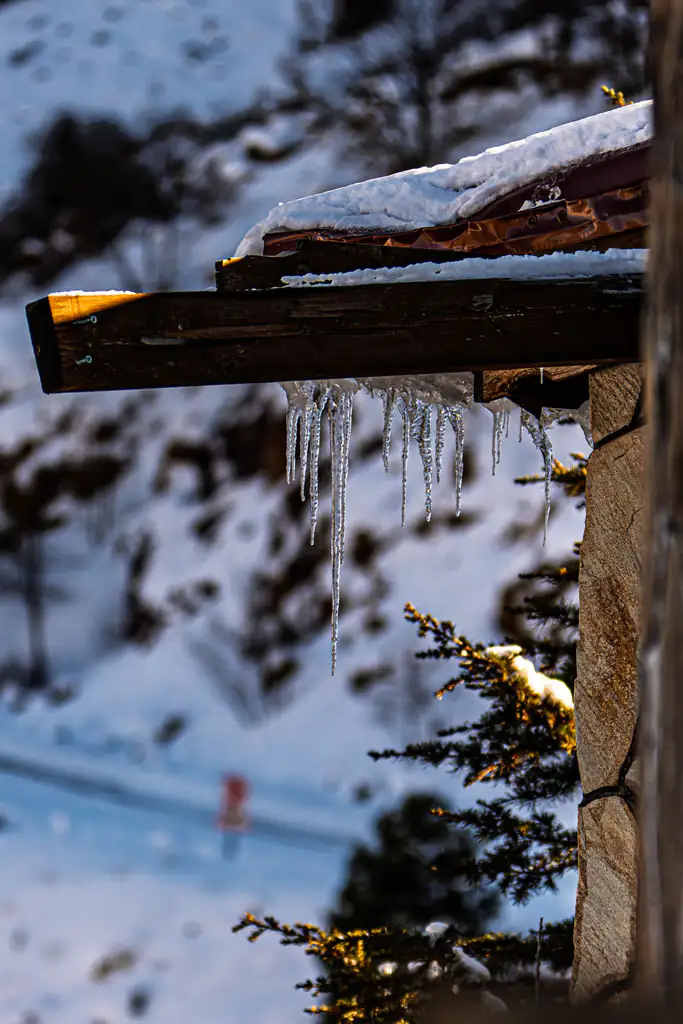
Heat cable does not stop ice dams from forming — it melts channels through the ice so trapped meltwater can drain instead of backing up under the shingles. It manages the symptom on problem eaves, uses electricity all winter, and is no substitute for fixing the warm attic that causes the dam.
Heat cable — also sold as heat tape or de-icing cable — is an electric resistance wire you run along the roof edge and through the gutter to melt the ice. The key thing to understand is what it actually does: it does not stop an ice dam from forming. It melts open channels through the ice so meltwater trapped behind the dam can drain off the roof instead of backing up under the shingles. That is a real benefit on a chronic problem eave, but it is symptom management. It uses electricity all winter, and it is no substitute for fixing the warm attic that causes the dam in the first place.
Picture an ice dam without cable: snow melts higher on the roof, the water runs down, hits the cold eave, and freezes into a ridge. More water arrives, pools behind that ridge, and — because roof shingles shed water but are not watertight — it works its way under the shingles and into the house. That backed-up water is what causes ceiling stains and rotted decking, as covered in ice dam damage to your home.
Heat cable’s job is narrow: keep a melted path open through and below that ridge so the pooling water always has an exit. The dam can still be there. The cable just guarantees the water can drain to the gutter, through the gutter, and down the downspout without refreezing on the way. That is why proper installations run the cable into the gutter and all the way down the downspout — a melted channel that stops at a frozen gutter accomplishes nothing.
Heat cable manages ice; it does not prevent it. If your roof forms dams because the attic is warm, the cable will melt drainage channels every winter and draw power to do it — but the dam keeps coming. Cable is a tool for stubborn spots and interim relief, not a replacement for a cold roof.
Cable is usually clipped to the shingles in a zig-zag or triangle pattern along the lower edge, so the melted zone forms a series of drainage paths down to the eave. From there it continues into the gutter and down the downspout. Most homeowners do not cable the entire house — they target the specific spots that dam every year: a north-facing eave, a valley where two roof planes dump water together, or the roof above a doorway where falling ice is a hazard.
Either way, the cable should be an outdoor roof-rated product on a GFCI-protected circuit, installed to the manufacturer’s instructions. This is closely related to gutter de-icing more broadly, which our guide on heat cables and gutter heat tape covers alongside frozen-gutter issues.
Two practical issues come with heat cable: electricity cost and safety. Both are manageable with the right controls and product.
Treat heat cable as an electrical installation, not a decoration. Use only outdoor, roof-rated cable on a GFCI-protected circuit. Never overlap the cable on itself, do not use indoor pipe-heating tape on a roof, and replace any cable that is cracked or brittle. Damaged or misused cable is a fire and shock hazard. Installing on a snowy roof is roof work — do it in dry conditions or hire out.
To control cost, add a thermostat or controller that only energizes the cable in the temperature band where dams actually form — roughly near and just below freezing with snow on the roof. Left on constantly, cable burns power in weather where nothing is icing and ages faster. Self-regulating cable plus a controller is the low-waste combination.
| Factor | Heat cable | Attic air-seal, insulate, ventilate |
|---|---|---|
| What it treats | The ice after it forms | The cause — a warm roof deck |
| Ongoing cost | Electricity every winter | None once done |
| Prevents the dam? | No — keeps drainage open | Yes — keeps roof cold |
| Best use | Stubborn spots, interim relief | The durable, whole-house fix |
| Failure mode | Cold spot re-freezes if cable fails | Rare once correctly done |
Given all that, cable is not pointless — it fits specific cases well:
For a roof whose only problem is a warm attic, though, spending on cable and then paying to run it every winter is treating the symptom forever. The cause-side fix is attic insulation and ventilation for ice dams.
Heat cable is a symptom manager, not a cure. It melts drainage channels through roof ice so trapped water escapes instead of backing up into your house — genuinely useful on chronic problem eaves, over entryways, and as interim relief. But it costs electricity every winter, must be a proper outdoor-rated, GFCI-protected installation, and does nothing about the warm attic driving the melt. If your roof dams every year, pair or replace the cable with the cold-roof work in how to prevent ice dams.
FAQ
Not really — it manages them. Heat cable does not keep a dam from forming; it keeps a drainage path open through the ice so meltwater can run off instead of pooling and backing up under the shingles. The dam may still exist around the cable, but the water has somewhere to go. True prevention means keeping the roof cold, which is attic work.
Typically in a zig-zag or triangle pattern along the lower edge of the roof above the eave, continuing into the gutter and down the downspout so the melted water has an unfrozen path all the way to the ground. It is most often used on chronic problem spots — a specific eave, valley, or over an entryway — rather than the whole house.
It varies with the length installed and how long it runs, but heat cable draws power the entire time it is energized through the winter, and that can add up. Self-regulating cable, which lowers its output as it warms, uses less than constant-wattage cable. A thermostat or controller that only powers the cable near freezing temperatures reduces the cost further.
Poorly installed, damaged, or aging cable can be a fire and shock hazard, which is why it should be a proper outdoor-rated product on a suitable GFCI-protected circuit, installed to the manufacturer's instructions. Do not run cheap indoor pipe cable on a roof, avoid overlapping the cable on itself, and replace cracked or brittle cable rather than reusing it.
You can, but running it constantly wastes electricity and shortens its life. The better approach is a thermostat or controller that energizes the cable only when conditions actually cause dams — roughly near and just below freezing with snow present. Turning it off entirely in a warm spell or when there is no snow saves power.
Properly rated and installed cable should not, but the clips and the cable itself sit on the shingles and in the gutter, so aging cable can trap debris or, if it fails, leave a cold spot where ice re-forms. Metal roofs and certain shingle types have specific clip requirements. Follow the manufacturer's guidance for your roof material.
No — it is a different kind of solution. Attic air-sealing, insulation, and ventilation attack the cause by keeping the roof cold so dams do not form. Heat cable only manages the ice after it forms and costs electricity every winter. Cable makes sense for stubborn spots that stay cold-roofed but still ice up, or as interim help while you plan the attic work.
Keep reading
Attic insulation helps stop ice dams by keeping the roof deck cold — but only after air-sealing. The right order of air-seal, insulate, ventilate, explained.
A roof rake pulls snow off the lower roof from the ground, starving an ice dam of the snow that feeds it. How to use one safely and where it helps.
Prevent ice dams by keeping the roof deck cold — air-seal, insulate, and ventilate the attic. Snow management and clear gutters help, but the real fix is the attic.