How to Stop Water Getting Behind Gutters
Water behind the gutter rots fascia and soffit even when the trough looks fine. Learn why it happens and how to stop it at the roof edge, not the gutter.
Roof Runoff
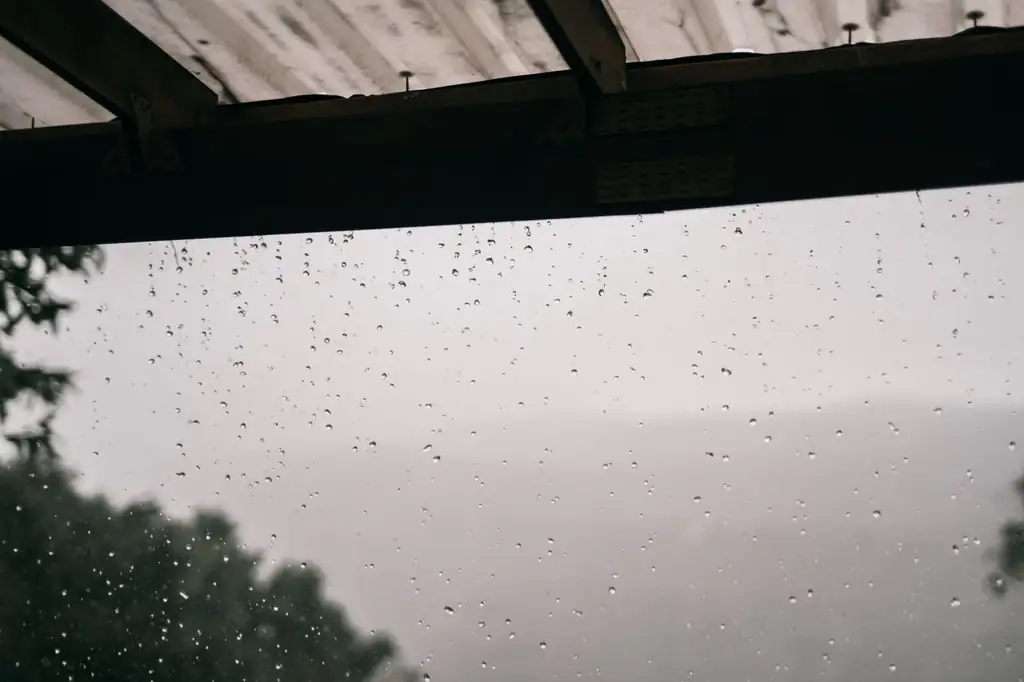
A drip edge is a metal flashing along the roof edge that projects runoff off the deck and past the fascia so it lands in the gutter instead of curling behind it. It is small, cheap and mostly hidden — and its absence is behind a surprising number of fascia-rot and water-behind-the-gutter problems.
A drip edge is a thin strip of metal flashing that runs along the edge of a roof and does one quietly important job: it projects runoff off the roof deck and past the fascia so the water lands in the gutter instead of curling back behind it. It is small, inexpensive and almost entirely hidden once the roof is finished — and its absence is behind a surprising share of fascia rot and water-behind-the-gutter complaints. On a new roof you almost certainly want one; on an older roof, whether you need to add one depends on whether the roof edge is actually misbehaving.
Most homeowners have never looked closely at their roof edge, and drip edge is easy to miss because you are meant to. But once you understand the handoff it manages, a lot of eave-related water problems stop being mysterious.
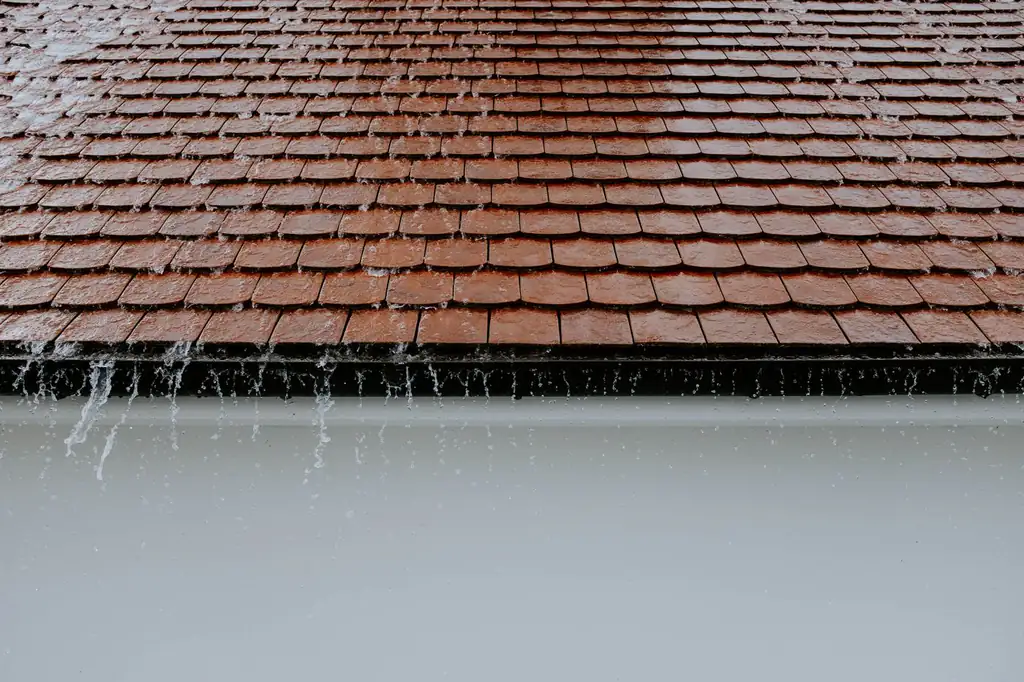
Water leaving a roof does not simply fall straight down. Surface tension makes it want to cling to whatever surface it is on, including the underside of the roof edge. Left to that tendency, runoff can curl back against the fascia board and run down behind the gutter rather than dropping into it.
A drip edge interrupts that. Bent into an L or T shape, it creates a lip that sticks out past the fascia and forces water to break away and fall clear — ideally straight into the trough. It does three things at once: it directs runoff into the gutter, it keeps the fascia and soffit dry, and it stops wind-driven rain from wicking back under the shingle edge onto the roof deck. Understanding that handoff is the whole point of studying how roof runoff works before worrying about the gutter.
A drip edge is not there to move a lot of water. It is there to control the last inch of the water's path — the break from roof to gutter. Small as it is, that inch decides whether runoff lands in the trough or on your fascia.
Drip edge is installed in two places, and they are handled slightly differently.
The layering at the eave is where installation quality shows. A drip edge fitted so it sits behind the gutter, rather than over the back lip of the trough, will not stop water from getting behind. Where and how the flashing overlaps the gutter is as important as having it at all — which is why the drip edge, fascia and soffit work as a set rather than in isolation.
For a new roof or a reroof, the answer is essentially yes. Drip edge is treated as standard good practice and is required by many modern building codes. It costs little and prevents a category of problems that are expensive to fix later.
For an existing older home, the answer is “it depends on the symptoms.” Many houses built before drip edge was routine have gone decades without obvious trouble, usually because generous overhangs or lucky geometry keep water clear of the fascia anyway. Adding drip edge to a dry, well-behaved roof edge is low priority. Adding it to one that is actively wetting the fascia is not.
| Situation | Priority for drip edge |
|---|---|
| New roof or full reroof | High — install as standard |
| Older roof, water running behind the gutter | High — the flashing or its overlap is likely the cause |
| Older roof, fascia peeling or rotting at the edge | High — the edge is staying wet |
| Older roof, dry fascia, no symptoms | Low — nice to have, not urgent |
| Rake edges only, cosmetic concern | Low — mostly appearance and wind resistance |
These two get confused constantly, and the difference matters when you are fixing an existing problem. A standard drip edge is relatively narrow. A gutter apron is wider and more steeply angled, and it reaches out over the back of the gutter to bridge the gap between roof edge and trough. When water is already getting behind an existing gutter, an apron is frequently the better retrofit because it covers that exact gap without requiring you to relift and reflash the whole eave. The full comparison of gutter apron vs drip edge lays out when to reach for each.
Along the rake edges, retrofitting drip edge is fairly approachable. Along the eaves it is harder, because doing it right means lifting the brittle starter course of shingles to tuck the flashing underneath — easy to crack on an older roof. That is a real reason many homeowners dealing with an existing gutter complaint fit a gutter apron over the back of the trough instead: it addresses the same water-behind-the-gutter problem without disturbing as much roofing. If the fascia has already suffered, the flashing fix and the fascia and soffit repair go hand in hand — fix the handoff first, then the wood.
It is not an ice-dam cure. A drip edge gives the eave a clean metal lip and pairs well with proper eave underlayment, but ice dams are driven by attic heat loss and meltwater refreezing at the cold edge. The defenses there are insulation, ventilation and ice-and-water shield, with the drip edge playing only a supporting role.
It is also not a substitute for a correctly hung gutter. If the trough sags or pitches away from the house, water can still miss it no matter how good the flashing is. The drip edge controls the last inch of the water’s journey; the gutter has to be in the right place to receive it.
For such a small, cheap and invisible part, the drip edge earns its keep. It manages the single most failure-prone moment in the whole path of roof runoff — the break from roof to trough — and getting it right, or adding it where it is missing and needed, prevents problems far larger than the flashing itself.
FAQ
A drip edge is a thin metal flashing installed along the edges of a roof, usually bent into an L or T profile. Its job is to project runoff outward, off the roof deck and past the fascia board, so the water drops cleanly into the gutter. It also gives the roof edge a finished line and keeps water from wicking back under the shingles. It is small and mostly hidden, but it governs the roof-to-gutter handoff.
On a new or reroofed home, yes — it is widely treated as standard good practice and is required by many modern building codes. On an older home without one, whether you add it depends on whether you are seeing symptoms like water behind the gutter or fascia rot. A dry, well-behaved roof edge that has gone decades without drip edge is lower priority than one actively wetting the fascia.
Without it, surface tension can pull runoff back against the fascia instead of letting it fall into the gutter. Over time that keeps the fascia and soffit wet, leading to peeling paint and rot, and it is a frequent cause of water running behind the gutter. Wind-driven rain can also work back under the shingle edge, wetting the roof deck itself.
Along the eaves — the lower, horizontal roof edges where gutters hang — and along the rakes, the sloped edges of a gable. At the eaves it typically sits under the underlayment or shingle starter course and overhangs into the gutter. The exact layering matters, because a drip edge installed behind the gutter instead of over its back lip does not solve water getting behind the trough.
No, though they are cousins. A drip edge is the standard, relatively narrow roof-edge flashing. A gutter apron is wider and more steeply angled, and it reaches over the back of the gutter to physically bridge the gap. When water is already getting behind an existing gutter, an apron is often the better retrofit because it covers that gap directly.
Along the rake edges it is fairly straightforward. Along the eaves it is harder, because doing it properly means lifting the starter course of shingles to tuck the flashing underneath, and shingles grow brittle with age. For an existing gutter problem, many people fit a gutter apron over the back of the trough instead, which addresses the same issue without disturbing as much roofing.
Indirectly and modestly. A drip edge gives the roof edge a clean metal lip and works alongside proper eave underlayment, but it is not an ice-dam solution on its own. Ice dams are driven by attic heat loss and refreezing at the cold eave, so the real defenses are insulation, ventilation and ice-and-water shield, not the drip edge alone.
Keep reading
Water behind the gutter rots fascia and soffit even when the trough looks fine. Learn why it happens and how to stop it at the roof edge, not the gutter.
Drip edge, fascia and soffit work together at the roof edge to hand water to the gutter. Learn what each does and what goes wrong when they fail.
Chimneys, skylights and vents interrupt roof runoff and depend on flashing to send water around them. Here is why penetrations leak and what a cricket does.