How to Plan a French Drain
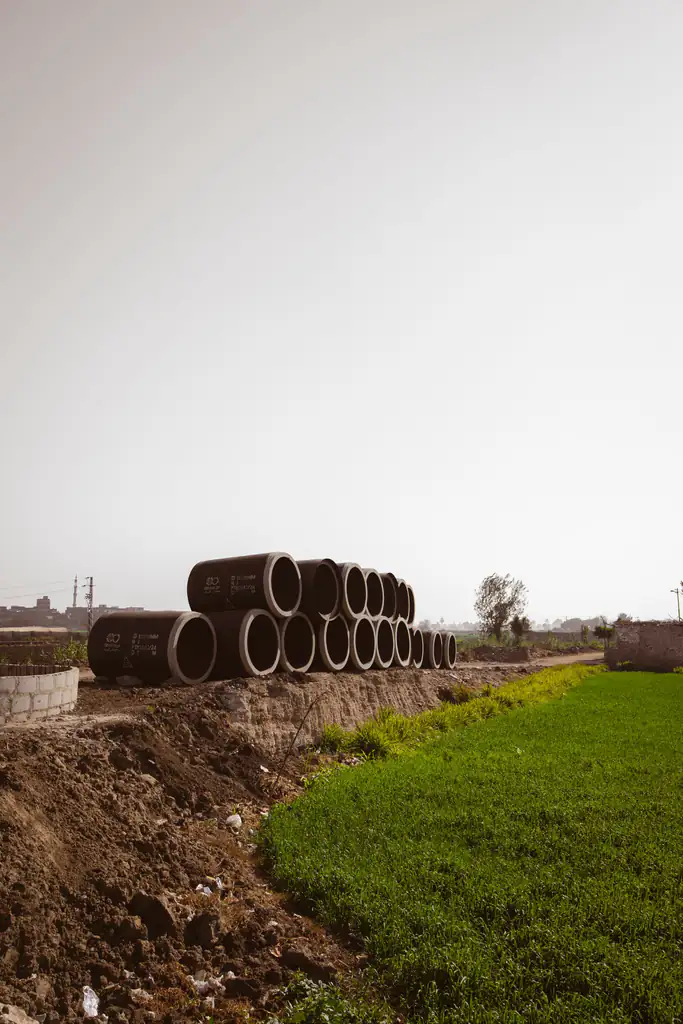
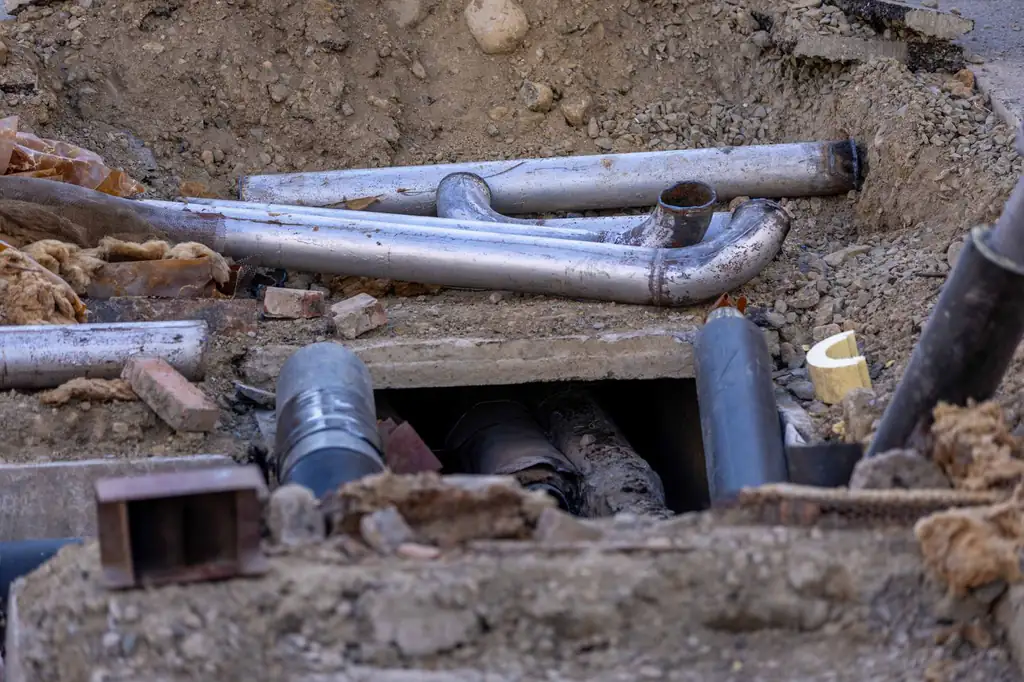
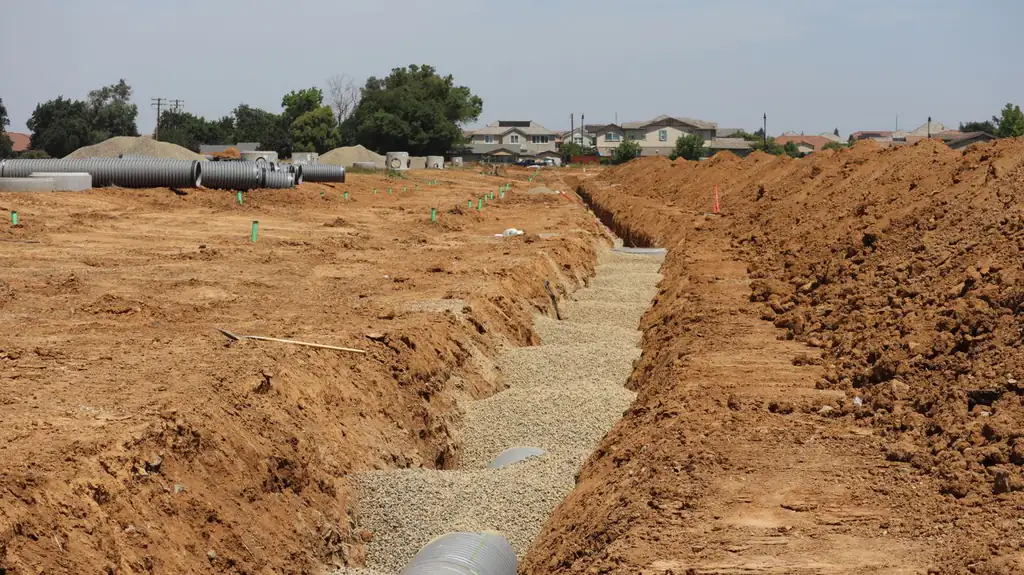
How to plan a French drain that actually works — mapping the water source, finding a real outlet, setting slope, and sizing depth to your soil and frost.
Category
Drainage is where surface water becomes a system underground. This section explains buried downspout lines, French drains, catch basins, dry wells and grading — and why the right answer depends on your soil, climate and local code, not a universal number.
Guides · Page 2 of 4
How to plan a French drain that actually works — mapping the water source, finding a real outlet, setting slope, and sizing depth to your soil and frost.
What drainage cleanouts and inspection ports do, where to place them, and why adding them during installation makes a buried drain line maintainable for life.
How pop-up emitters work as a drain outlet, where they fit, the slope they require to open, and why flat ground and freezing conditions cause them to fail.
Surface vs subsurface drainage compared — what each handles, examples of both, how to diagnose which problem you have, and how to choose the right fix.
Why drainage behind a retaining wall is structural — how gravel backfill, perforated pipe, and weep holes relieve water pressure, plus signs a wall is failing.
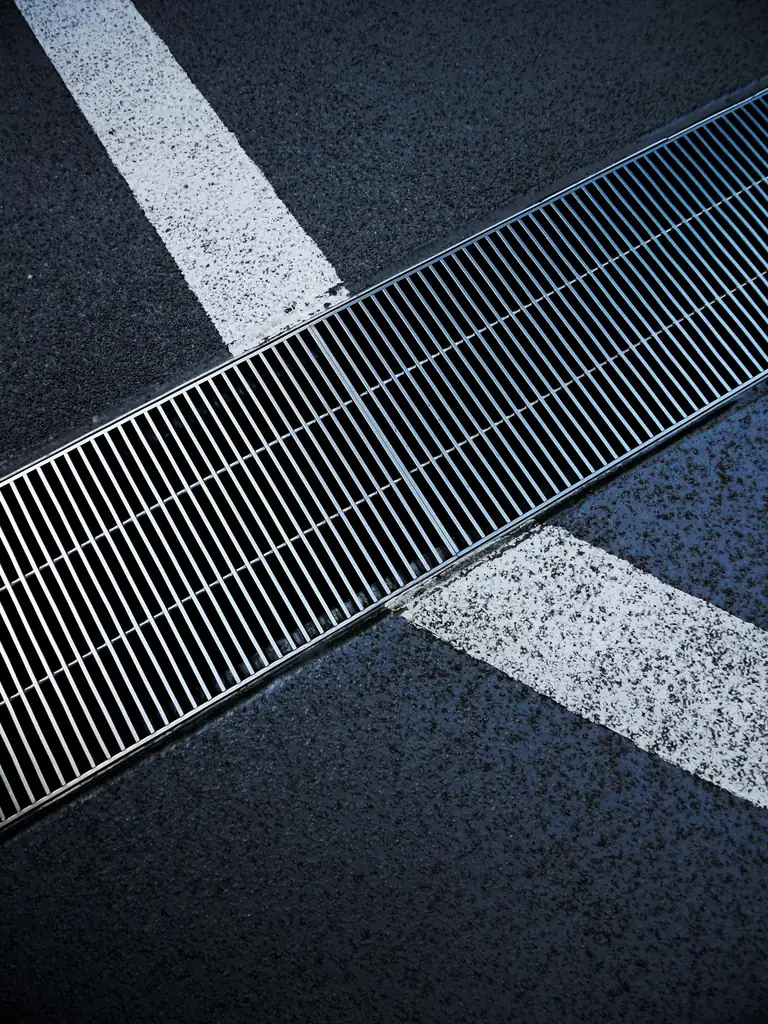
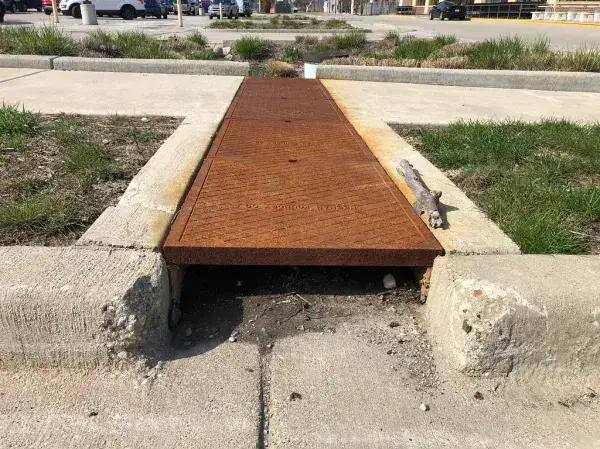
What a channel or trench drain is, where it beats a single spot drain, and how slope, grate choice and a real outlet decide whether it works. Uses and common mistakes.
The outlet is where a drain sends its water, and finding one is the real challenge in most projects. How to spot low points, read your slope, and weigh daylight, dry wells and permitted connections.
Why a sloped yard sheds water fast and erodes, and how terracing, swales and interceptor drains slow and redirect that flow. Turn the slope into a drainage advantage. Uses and common mistakes.
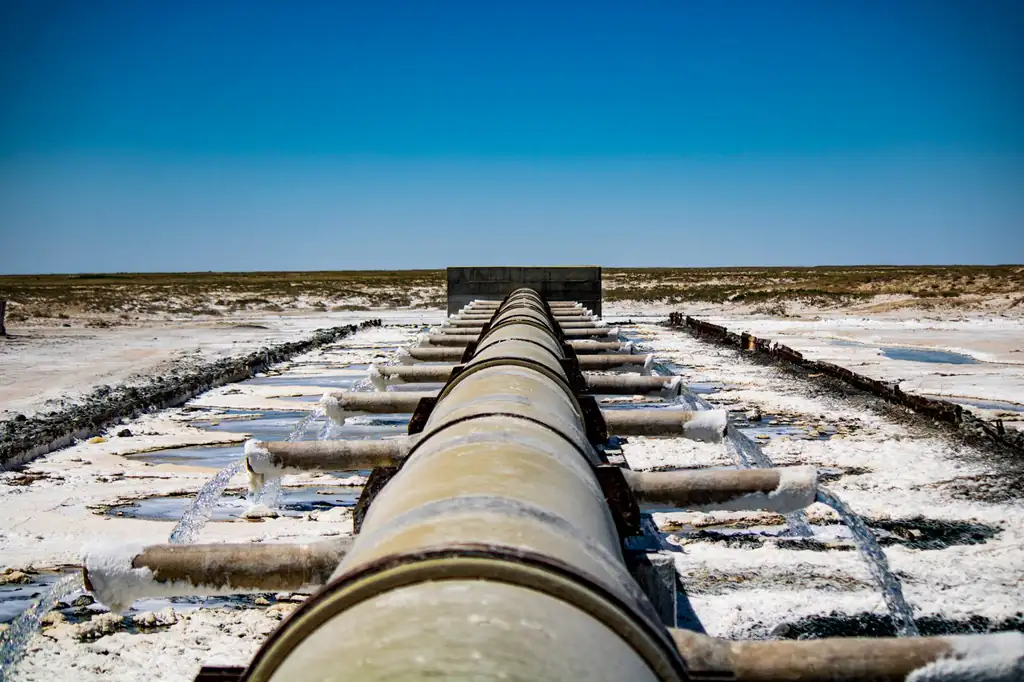
Daylighting means opening a drain pipe at a lower point so water flows out by gravity. When it works, how it compares to pop-up emitters and dry wells, and how to keep the outlet clear.