How to Remove Roof Algae and Moss
Tell roof algae from moss, why both matter, and how to clean them with gentle soft-washing instead of a pressure washer that ruins shingles.
Exterior Cleaning
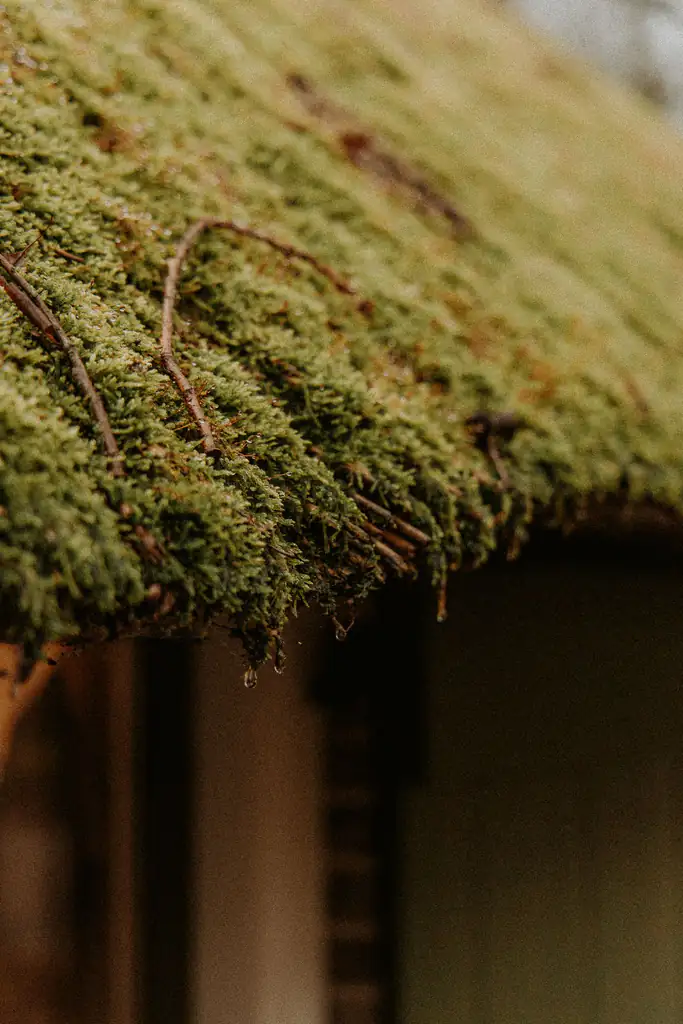
Roof moss is a true plant that holds water against your shingles and lifts their edges, so it is a maintenance concern rather than just an eyesore. Kill it with a low-pressure soft-wash solution, then let rain rinse the dead moss away over weeks — never scrape it dry or blast it with a pressure washer.
If your roof has raised green cushions along the shingle edges, that is moss — a true plant, not a stain. Remove it by killing it with a low-pressure soft-wash solution and then letting rain rinse the dead moss away over the following weeks. Do not scrape it off dry and do not reach for a pressure washer; both strip the protective granules that keep asphalt shingles alive.
Moss and algae both grow on shaded, slow-drying roofs, but they are different organisms with different consequences. Algae shows up as dark streaks and is largely cosmetic early on. Moss is the one that does real work against your roof. If you want the full side-by-side, the guide on how to remove roof algae and moss walks through telling them apart; this article focuses specifically on the moss problem and how to clear it.
Moss forms spongy green mounds, usually along the bottom edges of shingles and in the seams and valleys where leaves and debris collect. Two things make it a maintenance concern:
Moss needs shade and moisture, and roofs supply both wherever the sun does not reach. North-facing slopes, sections under overhanging branches, and areas below a chimney or dormer that stay wet the longest are the usual first sites. A roof that drains and dries slowly stays hospitable to moss. Understanding how roof runoff works helps here: the roof surface, the gutters, and the ground drainage are one connected system, and a mossy roof is often the first visible sign that part of that system holds water longer than it should.
| Problem | What you notice | Why it matters |
|---|---|---|
| Trapped moisture | Soft, spongy green mounds | Keeps the deck damp and encourages rot below |
| Lifted shingles | Curled or raised shingle edges | Lets wind and water get underneath |
| Granule loss | Bald, shiny shingle spots | Granules shield shingles from UV; loss shortens life |
| Clogged valleys | Green buildup in seams | Slows drainage and holds even more water |
| Blocked gutters | Overflow at the eaves | Keeps the lower roof edge permanently wet |
The correct method is soft-washing: low pressure, roughly the force of a garden hose, paired with a cleaning solution that kills the moss. The solution does the work; the gentle rinse carries it away. This is the same low-pressure principle that protects any delicate surface, and it is worth reading up on power washing versus soft washing before you touch your roof, because the choice of pressure is what saves or destroys the shingle.
A practical sequence looks like this:
For moss specifically, resist the urge to scrape or pressure-blast it while it is dry and brittle — you tend to take granules with it, leaving bald spots that age fast. The general lessons in what not to pressure wash apply directly to shingles: they are near the top of the do-not-blast list.
Roof and ladder work is genuinely dangerous. Wet, moss-covered shingles are slippery, cleaning chemicals add to the hazard, and a fall from a roof or tall ladder can be serious. Height work is best left to professionals; many homeowners should focus their own effort on prevention from the ground.
Cleaning treats the symptom. Prevention treats the cause, which is almost always shade and trapped moisture.
Roof cleaning solutions can scorch foundation plants and lawn when they run off. Wet plants with plain water before you begin, rinse them again afterward, and always follow the product label and any local guidance on chemical runoff.
Roof moss is common and manageable. The winning approach is patient and gentle: kill it softly, let the weather clear it, and then remove the shade and moisture that fed it in the first place so it does not simply grow back.
FAQ
Algae is the dark, almost black streaking that runs down a slope; it is mostly cosmetic in its early stages. Moss is a true plant that forms raised green cushions, usually along the bottom edges of shingles and in seams where debris collects. Moss holds water and lifts shingle edges, which makes it a structural concern rather than just a stain.
Scraping dry moss tends to take the protective mineral granules off the shingles with it, which shortens the life of the roof. The safer approach is to apply a cleaning solution, let it kill the moss, and let subsequent rain and gentle rinsing carry the dead material away over the following weeks.
It will, but at a real cost. A pressure washer strips shingle granules, forces water up and under the shingles toward the deck, and can void some manufacturer warranties. Roofs are cleaned with low-pressure soft-washing, roughly the force of a garden hose, paired with a solution that does the actual killing.
Most of the visible clearing happens over several weeks as rain rinses the dead, brittle moss down the slope. Thick, established mats can take longer and may need a second treatment. Patience protects the shingle; forcing it off quickly usually damages the surface.
Moss favors shade and trapped moisture, so it returns to north-facing slopes and areas under tree cover that stay damp after rain. Unless you reduce the shade and keep the surface clear of debris, the spores in the air will re-establish on the same slow-drying sections.
They can slow regrowth. When rain hits metal strips installed near the ridge, it carries trace metal ions down the slope that make the surface less hospitable to moss and algae. The effect fades toward the bottom of long slopes, so treat it as a preventive measure rather than a cleaner.
Anything that puts you on a roof or a tall ladder carries real fall risk, and that risk climbs sharply on wet, moss-slicked shingles. Many homeowners are better off hiring a professional for the height and focusing their own effort on ground-level prevention like trimming branches and keeping gutters clear.
Keep reading
Tell roof algae from moss, why both matter, and how to clean them with gentle soft-washing instead of a pressure washer that ruins shingles.
Clean a wood deck without wrecking the boards — why to skip high pressure, the brush-and-cleaner method, drying time, and how to time resealing.
How to clean a roof safely — why pressure washing ruins shingles, why soft washing is the only correct method, and how to manage the real danger, which is height.