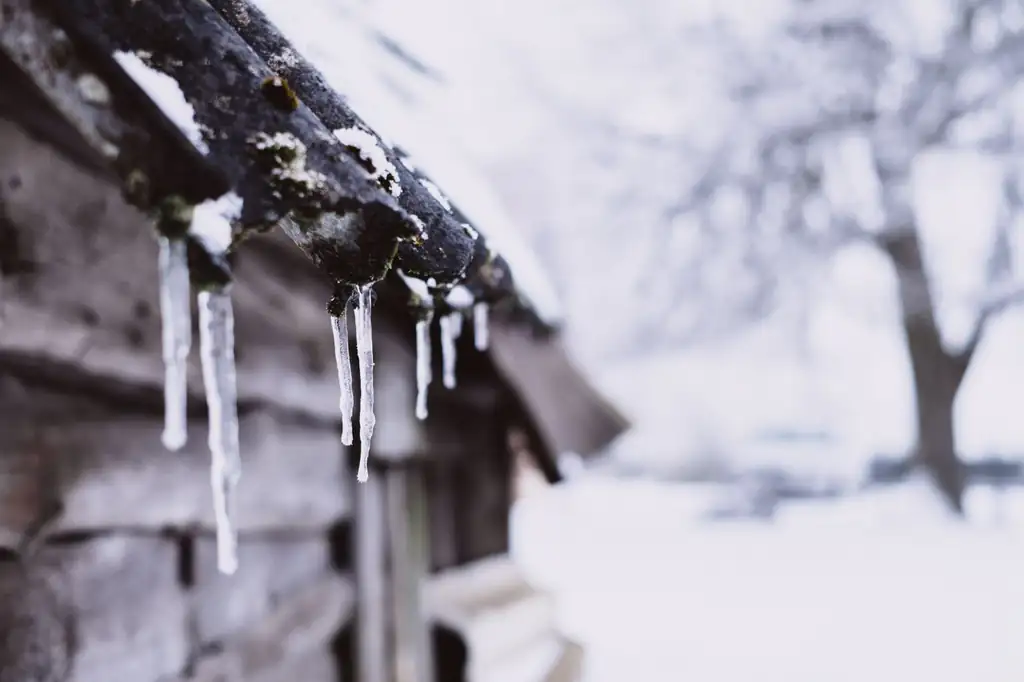
Icicles on Gutters — What They Mean
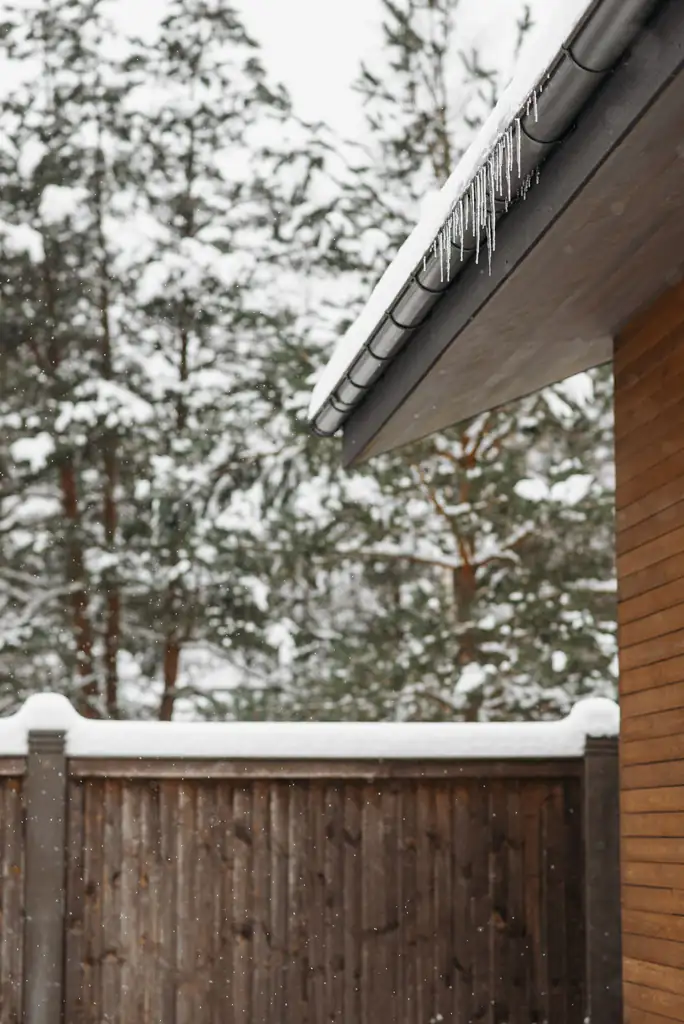
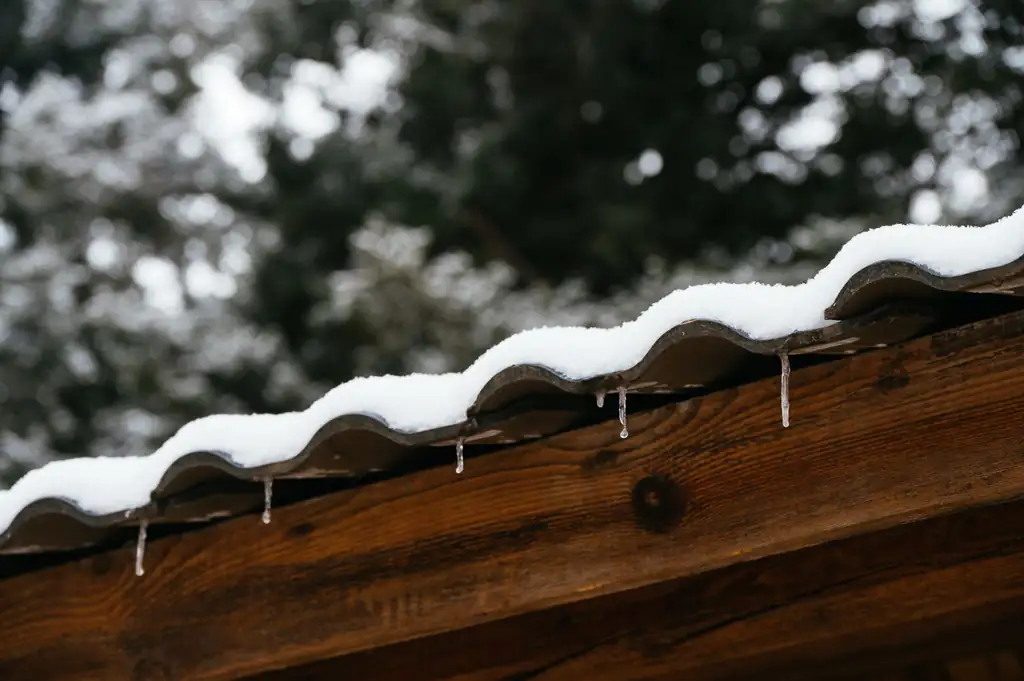
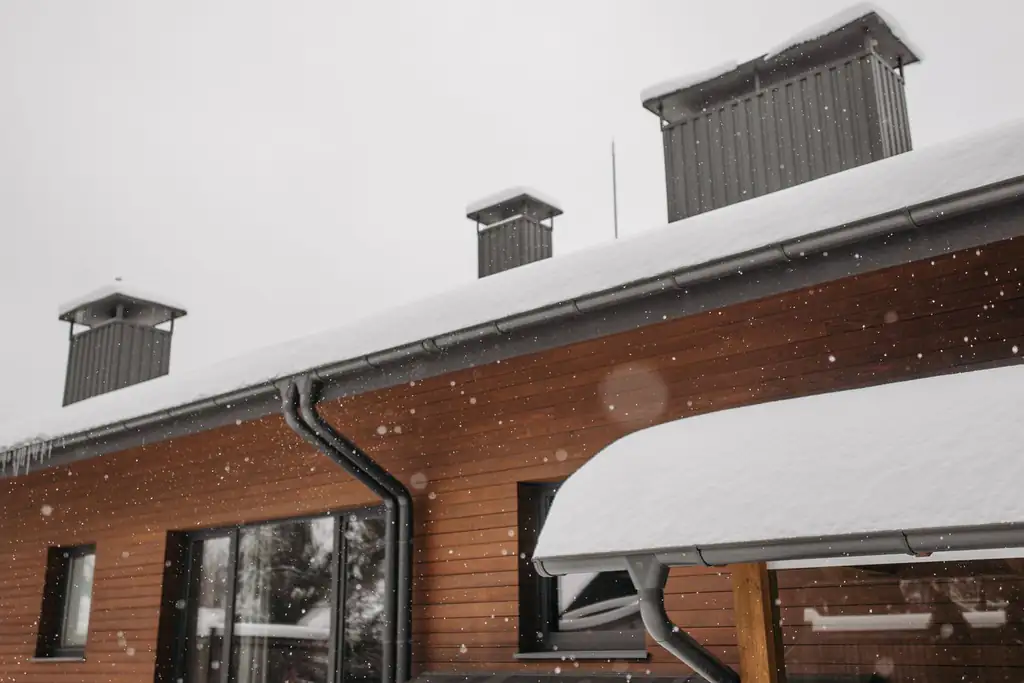
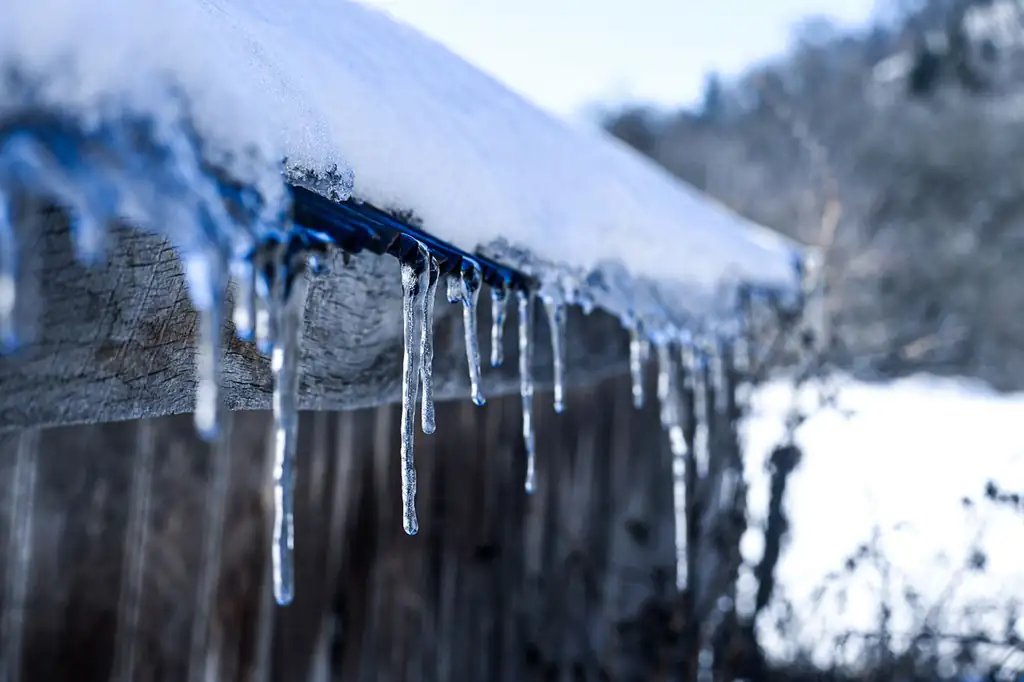
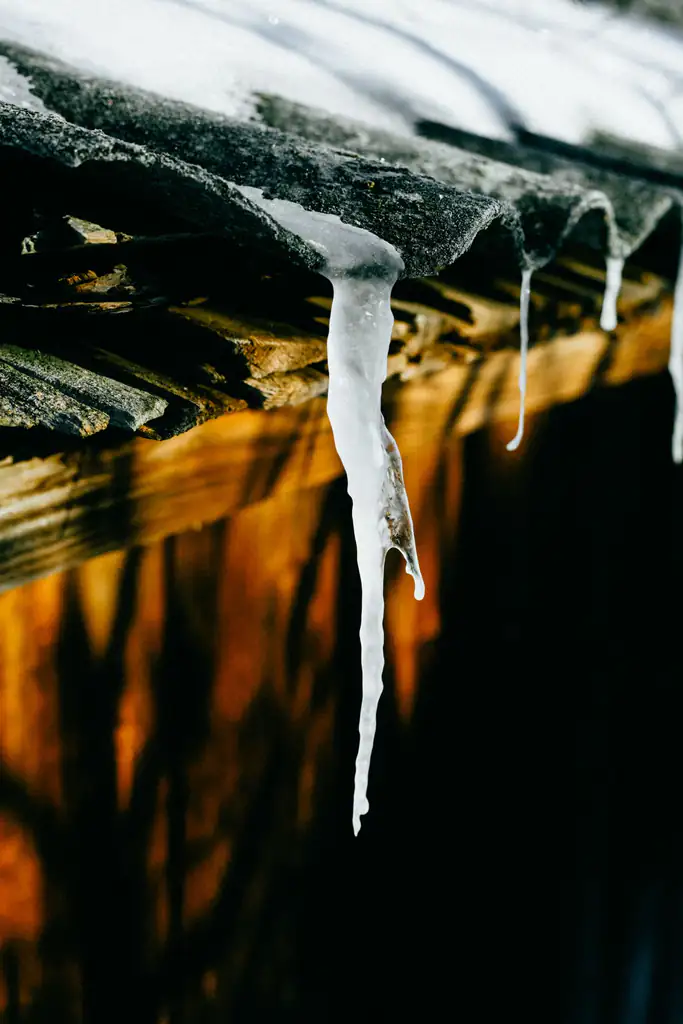
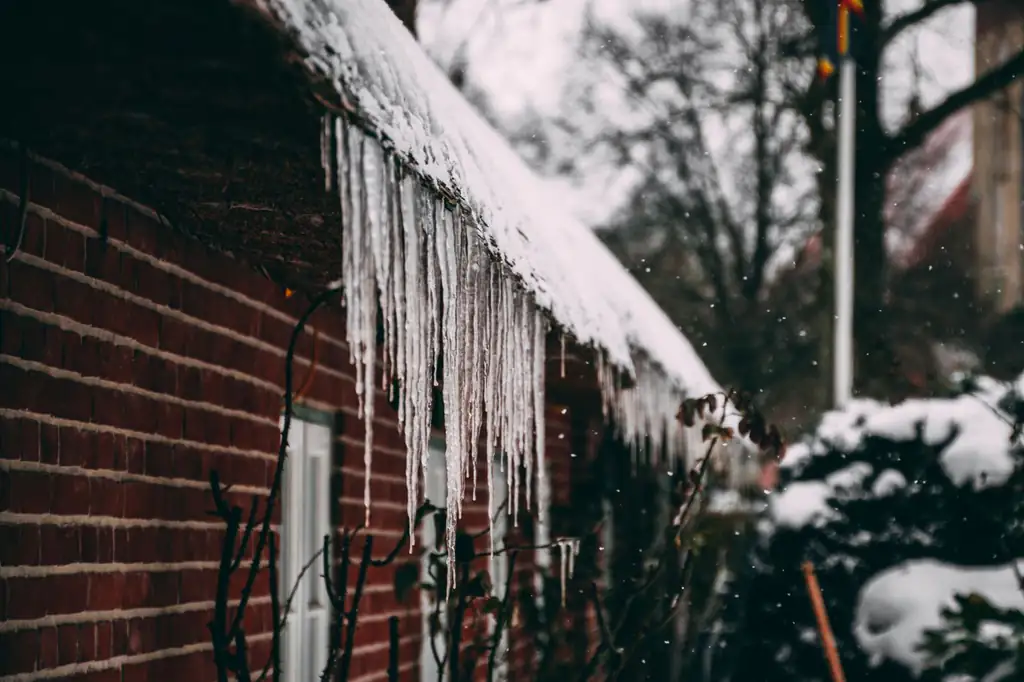
What icicles on your gutters actually mean, when they are harmless and when a big row signals an ice dam forming from a warm roof, and why knocking them off is not a fix.
Category
Winter changes how water behaves. Ice dams form at the roof edge, gutters freeze, underground lines can block with ice, and snow adds load. This section explains why these happen and the safe, realistic ways to reduce the risk — without dangerous DIY on an icy roof.
Guides · Page 2 of 3
What icicles on your gutters actually mean, when they are harmless and when a big row signals an ice dam forming from a warm roof, and why knocking them off is not a fix.
Why downspouts and buried drain lines freeze, how to reduce the risk with autumn clearing and good slope, and what not to do when a line ices up.
Why low-slope roofs are more vulnerable to ice dams and leaks, and how attic sealing, insulation, and eave membrane reduce the risk.
What snow guards do, where they are used, and why they manage sliding snow rather than prevent ice dams, which come from attic heat loss.
What ice-and-water shield underlayment is, where it goes on a roof, and why it stops ice-dam leaks without stopping the dams themselves.
What gutter ice-melt products can and cannot do, how salt and calcium chloride differ, and how to use them sparingly and safely.
The variables that explain why neighboring roofs differ on ice dams, from attic heat loss and sun exposure to pitch, complexity, and snow load.
How insurance typically approaches ice-dam damage, why maintenance and exclusions matter, and how to document a claim — with the reminder to check your own policy.
How ice dams damage a roof — from water backing up under shingles to lifted shingles, deck rot, corroded flashing, and overloaded eaves — plus which parts fail first.