How to Prevent Ice Dams
Prevent ice dams by keeping the roof deck cold — air-seal, insulate, and ventilate the attic. Snow management and clear gutters help, but the real fix is the attic.
Ice Dams & Winter Water
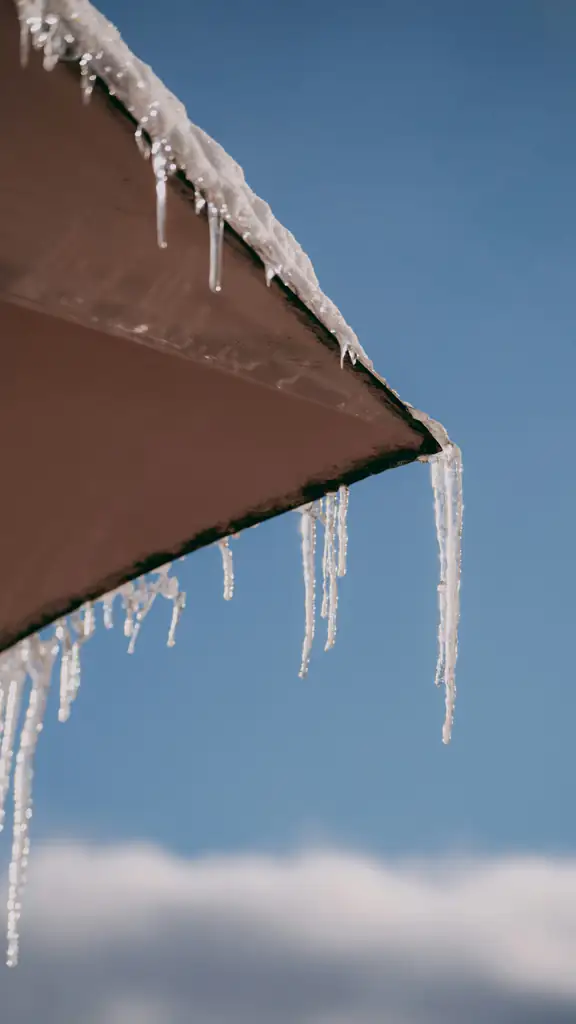
Ice-dam products split into two camps: those that fix the cause (attic insulation and air sealing, better ventilation) and those that manage the symptom (heat cables, ice-and-water underlayment, roof rakes, ice-melt products). Cause-fixers do the real work; symptom-managers help at specific trouble spots.
Ice-dam prevention products fall into two fundamentally different groups, and knowing which is which saves money. One group fixes the cause: attic air sealing, insulation, and ventilation that keep the roof deck cold so snow does not melt and refreeze at the eave. The other group manages the symptom: heat cables, ice-and-water underlayment, roof rakes, and ice-melt products that help once melting is already happening. Cause-fixers do the real work of preventing dams; symptom-managers are useful backups at specific trouble spots. The best plan usually pairs the two.
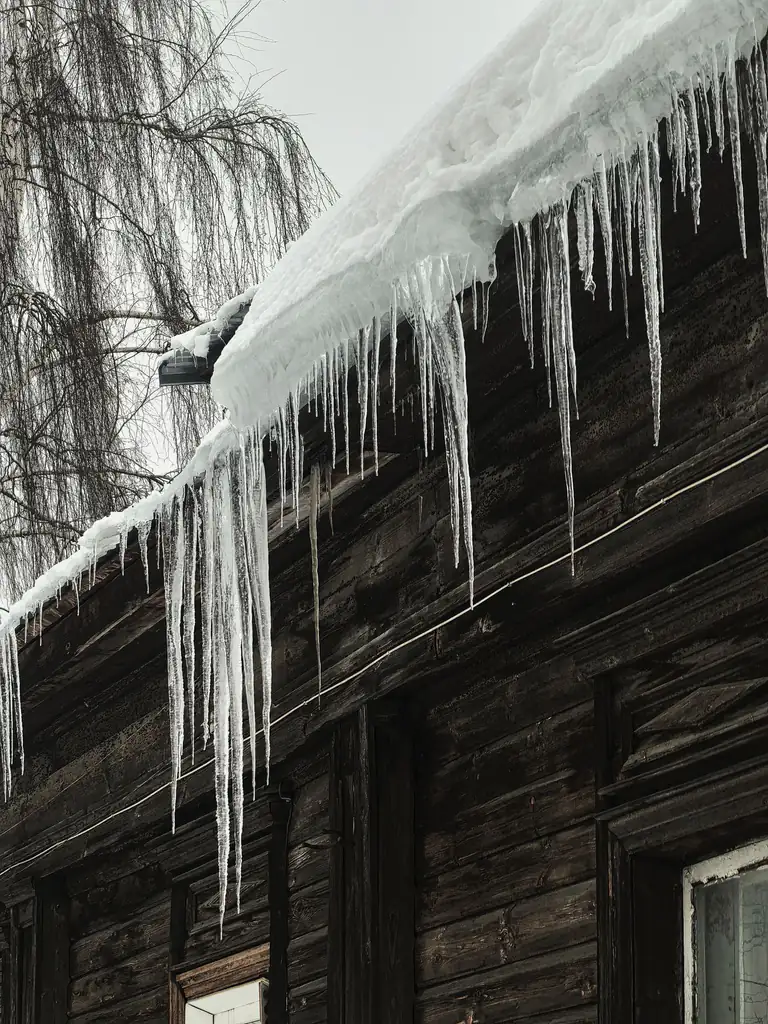
Almost every ice dam starts the same way: heat escapes into the attic, warms the roof deck, and melts the underside of the snow. That meltwater runs to the cold overhang and refreezes into a ridge. Behind the ridge, more water pools and backs up under the shingles.
This means a product only truly prevents ice dams if it keeps the roof deck cold. Everything else — cables, membranes, rakes, melt — is managing what happens after the roof has already warmed. Both roles have value, but confusing them leads people to spend on gadgets while the warm attic keeps making dams.
The single highest-value step for most homes is stopping warm indoor air from reaching the attic and adding enough insulation to keep the roof deck near outdoor temperature. Sealing gaps around light fixtures, chimneys, and hatches, then topping up insulation, attacks the root of the problem. Our guide to attic insulation and ventilation covers how these work together.
Proper soffit-to-ridge ventilation flushes warm air out from under the roof deck, helping keep it cold and even. Ventilation and insulation are partners: insulation slows heat reaching the deck, ventilation carries away what does. Neither is a product you bolt on and forget — they are a system built into the roof and attic.
Heat cables melt channels through ice so water can drain at a specific eave or valley. They do not stop the dam from forming and they use energy whenever they run. Used well, they keep a known trouble spot draining; used as a whole-roof fix, they disappoint and add cost. Correct installation matters.
A waterproof ice-and-water membrane installed at the eaves is a strong backup layer that resists water backing up under shingles. It is one of the better defenses against leaks — but it is only practical to add during roofing work, and it manages the water rather than preventing the dam.
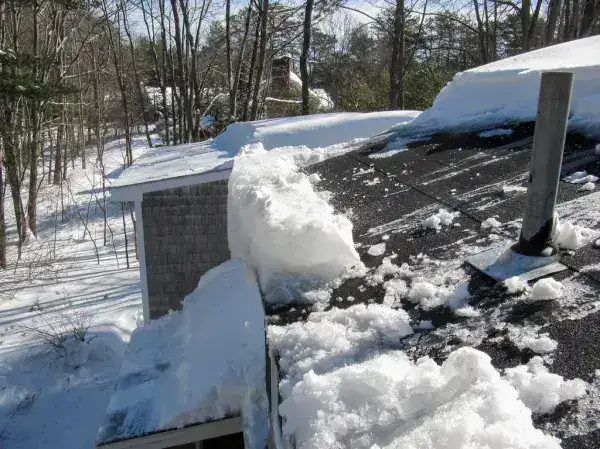
A roof rake pulls snow off the lower roof from the ground, reducing the meltwater available to refreeze. It is low-cost, needs no installation, and is genuinely useful in heavy snow — while still addressing snow rather than attic heat.
Ice-melt products and safety covers the trade-offs of melting agents. Some can affect roofing, metal, and plantings, and getting them safely into position is its own challenge. They are a spot treatment, not a prevention strategy.
| Product | What it does | Fixes cause or symptom? | Best used for |
|---|---|---|---|
| Air sealing & insulation | Keeps the roof deck cold | Cause | The core, long-term fix for most homes |
| Ventilation | Flushes warm air from under the deck | Cause | Working with insulation to keep the roof cold |
| Heat cables | Melt drainage channels in ice | Symptom | A specific problem eave or valley |
| Ice-and-water underlayment | Waterproof backup under shingles | Symptom (backup) | Added during reroofing at the eaves |
| Roof rake | Removes snow from the ground | Symptom | Reducing snow load after storms |
| Ice-melt products | Melt ice at a spot | Symptom | Targeted spot treatment, used carefully |
The table’s real message is the third column: only the top two prevent dams from forming. The rest help you cope once the roof is already warm.
If you only do one thing, make it a cause-fixer. A cold roof does not build an ice dam, and no amount of cable, membrane, or melt fully compensates for a warm attic that keeps producing meltwater all winter.
Rather than a single winner, think in terms of role, cost, and permanence:
A sensible layered plan for a home with recurring dams: fix the attic to keep the roof cold, add ice-and-water underlayment the next time the roof is redone, keep a roof rake for heavy snow, and reserve heat cables for a stubborn eave that still gives trouble.
No product justifies climbing onto an icy or snow-covered roof. Roof rakes are used from the ground, and installation or roof-level work belongs to professionals with the right equipment. Choose products you can use safely from the ground.
Ice-dam products divide cleanly into cause-fixers and symptom-managers. Attic air sealing, insulation, and ventilation keep the roof cold and actually prevent dams; heat cables, underlayment, roof rakes, and ice melt help manage the water once melting is underway. Put your money on the cause first, add symptom-managers as targeted backups, and never let any product tempt you onto an icy roof.
FAQ
The most effective measures target the cause rather than the symptom — attic air sealing, insulation, and ventilation that keep the roof deck cold. These are less glamorous than gadgets, but a cold roof does not melt snow into an ice dam in the first place.
They manage a symptom by melting channels for water to drain at a specific trouble spot, rather than stopping the dam from forming. They can help at problem eaves and valleys but use energy, need correct installation, and do not fix the warm roof underneath.
It is a strong backup layer. Installed at the eaves during roofing work, this waterproof membrane resists water backing up under shingles, reducing leak risk. It does not stop the dam from forming, and it is only practical to add during a roof project.
Removing snow from the roof edge from the ground reduces the meltwater available to refreeze, which can lower the risk. A rake is a useful, low-cost tool, but it addresses snow rather than the attic heat that starts most dams.
It depends on the product and how it is used. Some formulations and application methods can affect roofing, metal, and plants, and getting them onto a roof safely is its own challenge. Read the product guidance and prioritize safety over reaching an icy roof.
Safe snow removal from the ground with a roof rake and sealing obvious attic air leaks are among the lowest-cost steps. The highest-value investment for most homes is improving attic insulation and ventilation, which addresses the root cause.
Yes, and a layered approach is common — fix the attic to keep the roof cold, add underlayment during reroofing as backup, and use a roof rake for heavy snow. Combining cause-fixers with a symptom-manager at known trouble spots is reasonable.
Keep reading
Prevent ice dams by keeping the roof deck cold — air-seal, insulate, and ventilate the attic. Snow management and clear gutters help, but the real fix is the attic.
Attic insulation helps stop ice dams by keeping the roof deck cold — but only after air-sealing. The right order of air-seal, insulate, ventilate, explained.
The safe way to remove an ice dam is limited — rake from the ground and call a pro to steam an active leak. Never climb, chip, or use flame. A step guide.